News
Non invasive sound stimulation shows Alzheimer’s potential


Non-invasive sound stimulation altered Alzheimer’s-linked proteins in aged monkeys in a recent study, with effects lasting more than five weeks.
Alzheimer’s involves abnormal amyloid proteins that form plaques and damage synapses, the junctions between nerve cells.
Cerebrospinal fluid is the liquid that bathes the brain and spinal cord.
In a study of nine rhesus macaques aged 26 to 31, animals received one hour of 40Hz auditory stimulation daily for seven days.
Researchers at the Chinese Academy of Sciences reported a sharp rise in amyloid levels in the cerebrospinal fluid after treatment, consistent with proteins being cleared from the brain.
Levels remained elevated five weeks after stimulation ended.
The researchers wrote: “Seven days’ stimulation triggered a rapid CSF Aβ increase by more than 200 per cent.
“This study provides the first primate evidence that 40Hz auditory stimulation can sustainably modulate the Aβ metabolism in the brain, supporting its potential as a non-invasive AD treatment method.”
The team said the approach could be developed as a non-invasive, low-cost physical intervention compared with antibody drugs used in early disease, though clinical testing in people will be needed to confirm benefit.








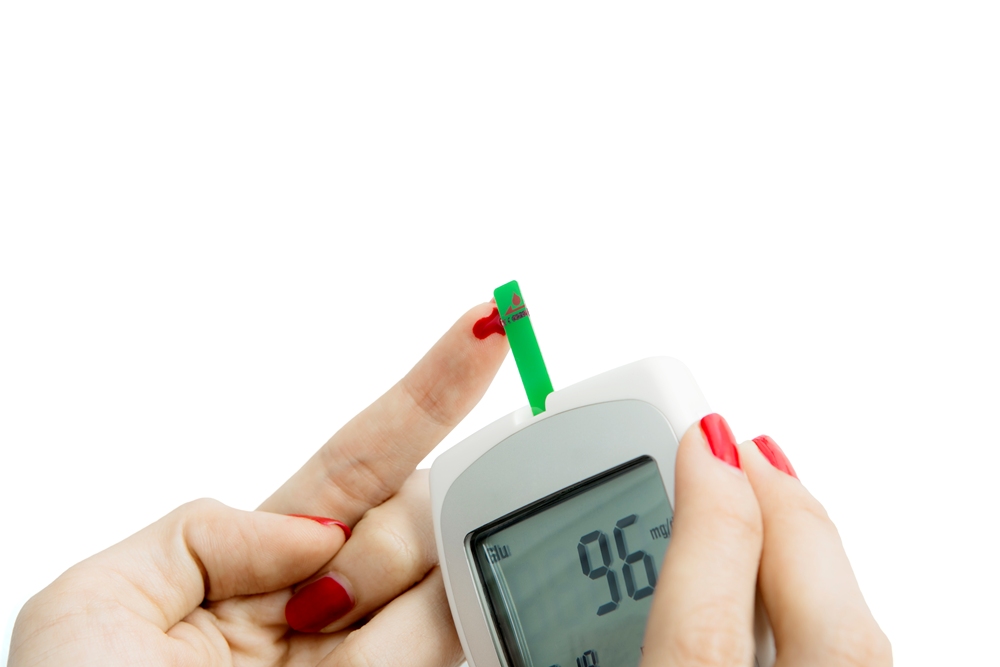
Sharp rises in blood sugar after meals may raise Alzheimer’s risk, according to genetic analysis of more than 350,000 adults.
The findings point to after-meal glucose, rather than overall blood sugar, as a possible factor in long-term brain health.
Researchers examined genetic and health data from over 350,000 UK Biobank participants aged 40 to 69, focusing on fasting glucose, insulin, and blood sugar measured two hours after eating.
The team used Mendelian randomisation, a genetic method that helps test whether biological traits may play a direct role in disease risk.
People with higher after-meal glucose had a 69 per cent higher risk of Alzheimer’s disease.
This pattern, known as postprandial hyperglycaemia (elevated blood sugar after eating), stood out as a key factor.
The increased risk was not explained by overall brain shrinkage (atrophy) or white matter damage, suggesting after-meal glucose may affect the brain through other pathways not yet fully understood.
Dr Andrew Mason, lead author, said: “This finding could help shape future prevention strategies, highlighting the importance of managing blood sugar not just overall, but specifically after meals.”
Dr Vicky Garfield, senior author, added: “We first need to replicate these results in other populations and ancestries to confirm the link and better understand the underlying biology.
“If validated, the study could pave the way for new approaches to reduce dementia risk in people with diabetes.”


While a healthy lifestyle with regular exercise can improve longevity, the key to ageing well is determined by the brain, says a new paper.
Published earlier this month and entitled: ’The Brain Is the Rate-Limiting Organ of Longevity’ it contends that ‘Longevity is not limited by how long the body survives, but by how long the brain can sustain coherent function’.
It says the traditional emphasis on peripheral organ systems, metabolic optimisation, and molecular aging pathways are misplaced.
Authored by Shaheen Lakhan, MD, PhD, founding executive director, at the Miami-based Global Neuroscience Initiative Foundation, he says: “Peripheral organs may determine the final cause of death, but the brain determines the duration and quality of life that precedes it.
“Any longevity strategy that does not explicitly preserve and restore brain function will ultimately fail, regardless of how effectively it slows peripheral aging.
“Recognising the brain as the rate-limiting organ of longevity is therefore not a conceptual preference, but a biological imperative.”
The three ageing benchmarks
Exploring a similar theme, recent Chinese research has identified three ages where substantial brain changes occur.
The first significant change comes at 57, then 70, and then 78, with the researchers identifying biomarkers which indicate these cognitive slumps.
The first change at 57 is due to a reduction in brain volume brought about by a decline in ‘white matter’ – the network of nerve fibres which allows the different brain regions to communicate effectively, they say.
The research measured levels in the brain of 13 proteins that are associated with accelerated brain ageing and neurodegenerative diseases and went on to say that poor lifestyle choices are a key driver of premature decline.
It went to identify exercise as being neuro-protective, by increasing the size of the hippocampus and thereby improving memory.
Alzheimer’s enabler Identified
Researchers at the University of New Mexico have discovered that the enzyme Otulin, known for regulating the immune system, also drives the formation of tau – a protein linked to Alzheimer’s and other neurodegenerative diseases.
In their study, the team demonstrated that deactivating Otulin – either by administering a custom-designed small molecule or knocking out the gene responsible for it – effectively halted tau production and removed the protein from neurons.
The experiments were conducted on two types of cells: one derived from a patient who had died from late-onset sporadic Alzheimer’s disease, and another from a human neuroblastoma cell line often used in neuroscience research.
“Pathological tau is the main player for both brain aging and neurodegenerative disease.
“If you stop tau synthesis by targeting Otulin in neurons, you can restore a healthy brain and prevent brain ageing,” said Dr Karthikeyan Tangavelou, a senior scientist in the department of molecular genetics & microbiology at the UNM School of Medicine.
US$44m for pan-Europe Alzheimer’s attack
A European initiative to accelerate the implementation of scientific innovations for Alzheimer’s disease (AD) management has been launched by the European Commission’s Innovative Health Initiative in Alzheimer’s disease (AD) management,
Over €38m has been secured by the ACCESS-AD consortium – co-led by King’s College London, Amsterdam UMC, Siemens Healthineers and Gates Ventures – for the five year project.
With AD expected to exceed 19 million people in Europe by 2050, ACCESS-AD aims to address the challenges this presents to healthcare systems by ‘accelerating innovation and strengthening equitable access to timely and effective care’.
“By combining technological innovation with economic, ethical, regulatory and patient perspectives, we aim to chart a sustainable, scalable and equitable pathway for the implementation of new AD diagnostics and therapies,” said Prof Dag Aarsland, head of the centre for healthy brain ageing at King’s college London and clinical co-lead of the project
A central focus of the project is the combination of advanced but accessible neuro-imaging with expanded use of fluid and digital biomarkers.
This will support early and accurate patient identification, enabling timely diagnosis and entry into personalised treatment pathways, targeted lifestyle interventions and nutritional strategies.
It’s never too late…
The benefits of regular exercise are highlighted in a 47 year Swedish study on a cohort first enrolled at the age of 16.
Published recently in the Journal of Cachexia, Sarcopenia and Muscle, the study was tasked with seeing how muscles and fitness changed over time in the 427 participants, now aged 63.
The authors found that our bodies start to age from 35, but that the rate of decline can be slowed down if we stay physically active.
The researchers examined the participants’ aerobic capacity, muscular endurance, muscle power and performance in strength training exercises, such as bench press and vertical jump.
The study’s main finding was that peak physical ability arrived before the age of 36, and that after 40, a decline begins, for both sexes.
The researchers found that adults who became physically active later in life improved their performance in the tests by 5 to 10%.
“It is never too late to start moving. Our study shows that physical activity can slow the decline in performance, even if it cannot completely stop it,” said the study’s lead Maria Westerståhl, of the Karolinska Institutet.

Biological age testing pioneer GlycanAge plans to use the cash raised from its recent US$8.7m funding round to expand its reach, explore additional bio-marking capabilities of its unique technology and fund its recently-opened Californian lab. Agetech World editor Peter McCusker met Jonathan White, head of its UK office, to find out more.
GlycanAge was founded in 2020 by Prof Gordan Lauc and his daughter Nikolina Lauc to capitalise on the former’s groundbreaking work on the capabilities of glycan sugars as ageing biomarkers.
Glycans coat all cell surfaces and are present in most human tissues where they help regulate cell signalling and development.
In his Zagreb lab Prof Lauc was able to interpret glycan signals around chronic inflammation as a pernicious – but reversible – drivers of premature ageing.
This led to the development of GlycanAge’s ‘inflammaging’ clock which estimates biological age by measuring patterns of glycan abundance on Immunoglobulin G’ – the most abundant antibody in blood.
This analysis allows for a detailed assessment of an individual’s biological age, and offers insights into how variable lifestyle choices – poor diet, stress, inactivity – and other environmental factors impact ageing.
World-leading US lab
Speaking to Agetech World from its headquarters on the Newcastle University-partnered Helix innovation hub, next to Newcastle United’s St James Park home, UK office head Jonathan White elaborated on its future ambitions and recounted its success to date.
“Glycan testing is a very complex process and about 85% of the underlying research on glycans and biological ageing stems from over 20 years of work by Prof Lauc and his team in their Zagreb lab.

Prof Gordan Lauc, co-founder, GlycanAge
“This latest investment round will allow us to produce indication-specific products – all from the original science – that can be implemented into various avenues such as a menopause-specific product, or a cardiovascular one, for example.
“We’ve recently established our second lab in California, which will streamline analysis and processing for our US clients and help us maintain our world-leading capabilities.”
GlycanAge’s unique chronic inflammation test involves analysis of a blood sample with the company having undertaken over 300,000 of these, worldwide, since inception.
Global potential
One area of interest to the GlycanAge team is in the onset of female menopause with Mr White highlighting how glycan testing can help smooth this process.
“This is a time of life when women are prime candidates for a chronic inflammatory-based disease to develop and in this environment there is the potential for our testing capabilities to be able to recognise this change and help with identifying approbate treatment, such as hormone supplements.”
Its geographical footprint is expanding rapidly with representation in the United Arab Emirates, South America, Singapore, New York, Japan, Indonesia, Bulgaria, and Spain..
As well as the recently-opened US lab it is on course to create an additional lab in the King Abdulaziz City for Science and Technology, in Saudi Arabia.
GlycanAge’s tests have mostly been adopted in private and individual health settings with the company now delivering its first lab-developed tests in a hospital setting.
Hospital setting
This year it expects to deploy its technology into more than 10 hospitals across Europe and the Middle East, with St Catherine Specialty Hospital in Zagreb recently becoming the first hospital globally to integrate glycan-based biomarkers into routine cardio-metabolic risk screening.
Professor Lauc said: “Hospitals are conservative – and they should be. But we’ve now made the first big step. We’ve put our machine into a hospital, and together with clinicians we’re developing diagnostic applications that actually make sense in practice.”
This is a key development for GlycanAge as it looks to see its technologies adopted in mainstream medical settings such as the UK National Health Service.
Although the company is realistic in recognising many existing healthcare systems are limited as they focus on symptoms, whilst the GlycanAge test focuses on measuring and tackling chronic inflammation, years before it manifests as a disease.
Last month, GlycanAge secured Its €7.4m (US$8.7m) in fresh funding following an earlier seed round In 2024, which saw the company raise €3.9m in seed-funding.
Its investors include Fifth Quarter Ventures, Guinness Ventures, BrightCap Ventures, South Central Ventures, Impetus Capital, Vesna Deep Tech VC, Lightfield Equity, LaunchHub Ventures and Kadmos Capital.

Blood sugar spike after meals may increase Alzheimer’s risk

Study reveals why memory declines with age

Agetech research round-up: brain health vital, £38m to combat Alzheimers, and more…

Interview: GlycanAge launch first hospital-based tests

Non invasive sound stimulation shows Alzheimer’s potential

FDA clears automated brain fluid device

Agetech World’s latest innovation & investment round-up

Insilico signs US$888m oncology deal with Servier

Food preservatives linked to increased diabetes and cancer risk, study finds

UK bans junk food ads before 9pm to protect child health
 News2 weeks ago
FDA clears automated brain fluid device
- News2 weeks ago
Agetech World’s latest innovation & investment round-up
- Technology2 weeks ago
Insilico signs US$888m oncology deal with Servier
- News2 weeks ago
Food preservatives linked to increased diabetes and cancer risk, study finds
- News2 weeks ago
UK bans junk food ads before 9pm to protect child health
- Technology7 days ago
Captioning glasses win AARP pitch at CES
- Insights2 weeks ago
Global longevity initiative launches North American chapter
- News2 weeks ago
Weaker body clock linked to increased dementia risk