Night-time light exposure may increase stroke and heart attack risk
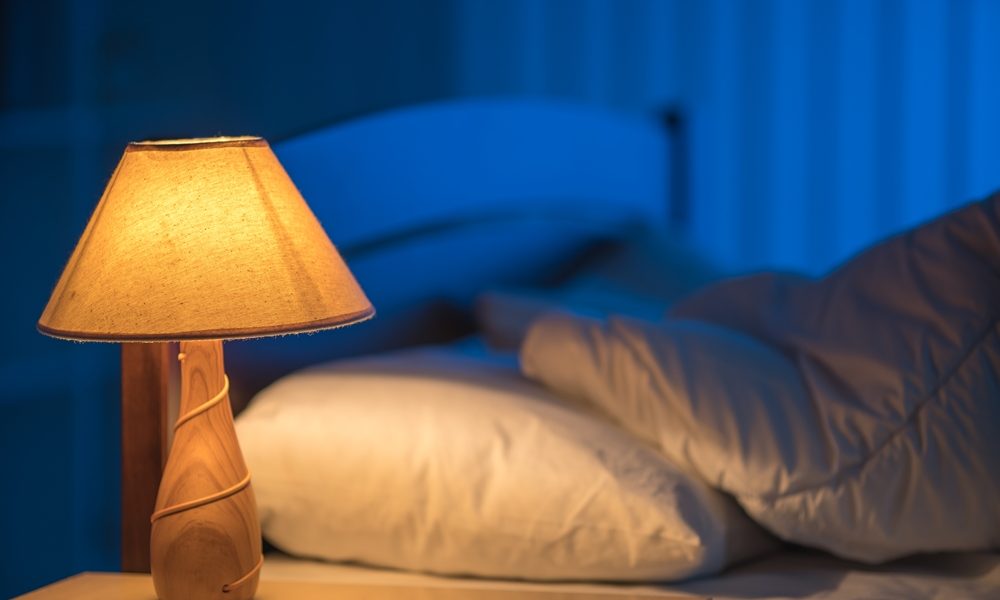
Bright light at night raises the risk of heart attack by 47 per cent and heart failure by 56 per cent, according to research involving nearly 89,000 people.
Being exposed to bright light at night could significantly increase the chances of developing serious heart problems, including heart attacks, strokes and heart failure.
The largest study of its kind tracked over 13 million hours of light exposure using wrist-worn sensors and followed participants for up to 9.5 years.
Those exposed to the brightest light at night were 56 per cent more likely to develop heart failure and 47 per cent more likely to suffer a heart attack. These risks remained high even after accounting for factors such as exercise, diet, sleep habits and genetics.
Researchers from Flinders University’s FHMRI Sleep Health analysed data from almost 89,000 people in the UK to investigate how personal light exposure affects heart health.
Dr Daniel Windred, lead author and research associate at Flinders University’s FHMRI Sleep Health, said the study highlights a risk factor many people overlook — one that is simple to address.
“This is the first large-scale study to show that simply being exposed to light at night is a strong and independent risk factor for heart disease,” said Dr Windred.
“Disrupting your body’s internal circadian clock by repeatedly exposing yourself to bright light at night, when it would typically be dark otherwise, will put you at a higher risk of developing dangerous heart issues.
“Thankfully, we do have some control over our exposure to light at night.
“By using blackout curtains, dimming lights, and avoiding screens before bed, we can help to reduce the health risks associated with light at night.”
The study also found that women and younger people were especially vulnerable to the effects of light exposure at night.
“Women may be more sensitive to the effects of light disrupting their body clock, which supports earlier research findings,” said senior co-author Professor Sean Cain.
“In fact, women exposed to high levels of night light had similar heart failure risks to men, which is unusual because women typically have some natural protection against heart disease.”
Everyday behaviours may also pose risks, added senior co-author Associate Professor Andrew Phillips.
“Everyday habits, like scrolling on your phone in bed or falling asleep with the TV on or bedroom lights on, can expose you to potentially harmful levels of light,” said Associate Professor Phillips from FHMRI Sleep Health.
“We’re not talking about extreme cases — even low levels of indoor light can interfere with your body’s natural rhythm.”
Unlike previous studies that relied on satellite images or surveys of outdoor light at night, this research used real-time data from wearable devices, providing a clearer picture of how indoor light environments affect health.
The circadian clock — the body’s internal timing system — regulates sleep-wake cycles and other biological processes over about 24 hours.
With heart disease still the leading cause of death worldwide, the researchers say it is time to treat light at night as a health risk, alongside poor diet, lack of exercise and smoking.
The team is calling for more research into lighting guidelines for homes, hospitals and cities to help reduce night-time light exposure.
“We need to take our body clocks seriously,” said Professor Cain.
“Protecting our natural sleep rhythms could be a powerful way to fight heart disease.”