


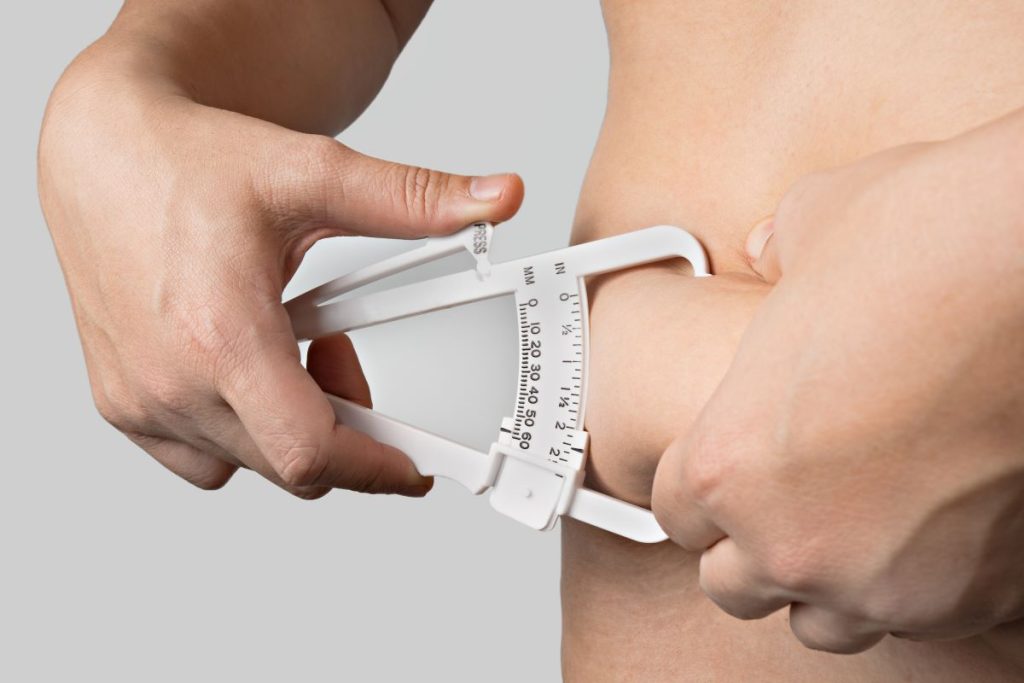
Weight and body mass index (BMI) policies introduced by NHS commissioning groups in England are restricting patients’ access to hip replacement surgery, researchers claim.
A study by the University of Bristol published in BMC Medicine criticises the rules put in place more than a decade ago by NHS clinical commissioning groups (CCGs) across England to change the access to hip and knee replacement surgery for patients who are overweight or obese, as “inappropriate and worsening health inequalities.”
The researchers analysed nearly 490,000 hip surgeries between January 2009 and December 2019 using data from the National Joint Registry (NJR). They then compared regions with and without a BMI policy.
They found that regional differences in this BMI mandate meant some areas have no such policy while in other locations patients are denied access to a hip replacement operation until their weight and body mass are below a certain threshold, or until they have waited extra time.
With one in ten people likely to need a joint replacement in their lifetime, many thousands of patients are directly affected by these policies.
The study – which was funded by the National Institute for Health and Care Research (NIHR) – was conducted before the NHS moved from CCGs to Integrated Care Systems in 2022. But the researchers said there were still geographical variations in policies.
Their results found policies to change access to hip replacement based on a patient’s weight/BMI were linked with a decrease in surgery rates, particularly in those living in deprived areas, whereas rates rose in localities with no such system.
Regions with strict BMI threshold policies were associated with the sharpest fall in rates.
But the study found that professional support to help patients reduce their weight was “very variable.
There was an association with worsening symptom scores and obesity with the introduction of extra waiting time rules, showing the policies may in fact be counterproductive, the researchers said.

Dr Joanna McLaughlin, NIHR doctoral research fellow in the Bristol Medical School: Translational Health Sciences (THS) and lead author of the study, said: “NHS policy on whether people can immediately access referral for hip replacement surgery if they are overweight or obese varies depending on where you live in England.
“NICE guidance on arthritis was updated in October 2022, and it clearly states that BMI should not be used to exclude people from referral to surgery, but restrictive policies are still in use in some regions.
“Both this current study, and our study on knee replacements published last June, show these policies have concerning associations with a sharp drop in the rate of joint replacements, worsening symptom scores, and worsening health inequalities.”
The research team is now urging commissioners and policy decision-makers as a matter of urgency to reconsider restrictive policies that affect access to elective surgery.
They also suggest that the recent formation of Integrated Care Systems from existing CCG groups is an important opportunity for positive changes to the procedure position, and that there are encouraging signs that some regions are already taking these policy change steps.
Joint replacement operations are now commonplace, especially on those in the 60-80-year-old age group. Women are more likely to need a hip or knee replacement than men because they are more prone to osteoarthritis and the associated aches, pains and stiffness.
But the age of those needing joint replacements is going down, due in large part to increasing levels of obesity and diabetes. Overweight, sedentary patients put extra stress on their joints, which can lead to cartilage becoming damaged and degenerative disease.
Various studies have found a link between increasing BMI levels and the need for total joint replacement in those aged between 55 and 74.
Research published in 2022 and led by orthopaedic surgeons in Australia, found that class 3 obese patients – categorised as those with a BMI of 40 or above – required knee surgery on average seven years earlier than those with a ‘healthy’ body mass index.
Class 1, 2 and 3 obese women aged between 55 and 64 were five, eight and 17 times more likely to undergo knee replacement surgery than their ‘normal’ weight counterparts, the researchers found. Men in the same age and BMI categories were three, 4.5 and six times more likely to undergo knee replacement respectively.
The average age at which normal weight women underwent the surgery in Australia was 71, whereas those regarded as class 3 obese underwent the procedure at 64. For men it was the same at 71 and 64 respectively.