Low-dose aspirin beneficial for type 2 diabetes, study finds
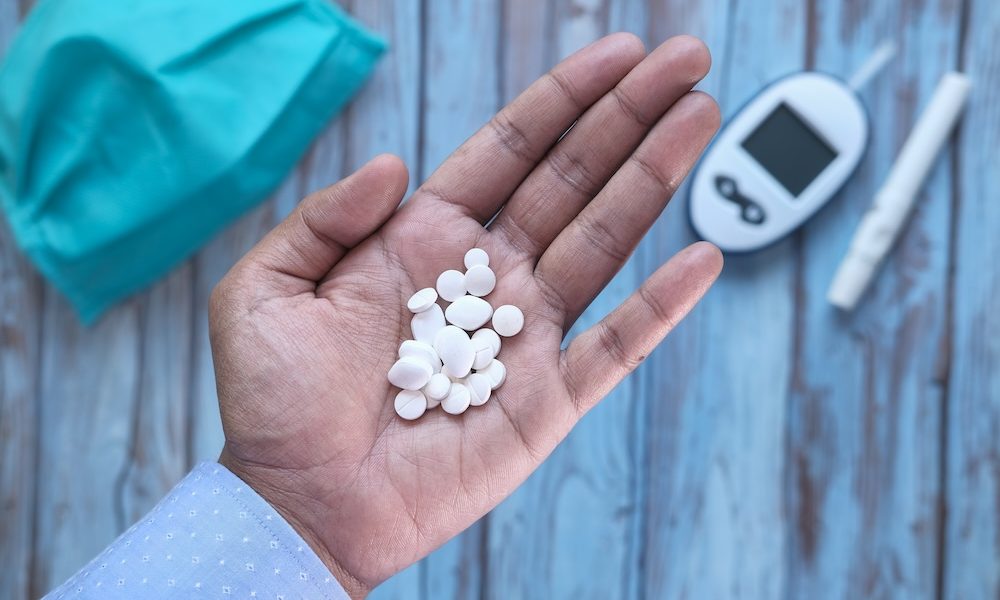
Low-dose aspirin may cut heart attack and stroke risk by almost half in people with type 2 diabetes, despite it no longer being routinely recommended, new research suggests.
A study following nearly 11,700 adults with type 2 diabetes found those taking low-dose aspirin were significantly less likely to experience major cardiovascular events over 10 years.
The findings challenge recent guidance questioning aspirin’s role in preventing first heart attacks and strokes.
In 2022, the US Preventive Services Task Force said the drug’s heart benefits barely outweighed the bleeding risks caused by its blood-thinning effects.
Researchers from the University of Pittsburgh Medical Center tracked health records of adults with type 2 diabetes and elevated heart risk across more than 35 hospitals and 400 outpatient clinics in Pennsylvania, Maryland and West Virginia.
Results showed that people with diabetes who took low-dose aspirin were less likely to have a heart attack (42 per cent versus 61 per cent) or stroke (15 per cent versus 25 per cent) compared with non-users.
Death rates were also lower – 33 per cent among aspirin users versus 51 per cent among those not taking the drug.
“We were somewhat surprised by the magnitude of the findings,” said Dr Aleesha Kainat, clinical assistant professor of medicine at the University of Pittsburgh Medical Center.
“People with type 2 diabetes and a higher risk of cardiovascular disease who reported taking low-dose aspirin were much less likely to have had a heart attack, stroke or death over 10 years when compared to similar individuals who did not report taking low-dose aspirin.
“That benefit was greatest for those who took aspirin consistently, throughout most of the follow-up time.”
For decades, experts recommended that people take low-dose aspirin to lower their risk of a first heart attack or stroke.
But this changed after recent research raised concerns about bleeding risk.
“We know that in recent studies aspirin hasn’t proven beneficial for primary prevention in people who don’t have established cardiovascular disease,” Kainat explained.
“However, type 2 diabetes is a known risk factor for cardiovascular disease.
“In our study, we wanted to better understand low-dose aspirin use in this very specific group of adults with type 2 diabetes and a moderate-to-high risk of cardiovascular disease – a population that may or may not have been included in earlier trials.”
Regular aspirin use offered the greatest benefit, although any use reduced cardiovascular risk.
The benefits did not depend on blood sugar control, though reductions were stronger among those with lower glucose levels.
The study excluded people at high risk of bleeding and did not track bleeding events or other side effects – a key limitation noted by researchers.
“It’s worth noting that our analysis excluded the records of people who had a high risk of bleeding, and we did not track bleeding events or other side effects in our study,” Kainat said.
“That’s an important limitation because aspirin’s bleeding risk is crucial in real-life decision making and a person’s independent bleeding risk has to be accounted for whenever we are prescribing a medication.”
Researchers said the study shows an association rather than direct cause-and-effect between aspirin use and reduced heart risks.
Dr Amit Khera, director of preventive cardiology at UT Southwestern Medical Center in Dallas and American Heart Association spokesperson, said: “These findings are very important because cardiovascular disease continues to be the leading cause of death among people with type 2 diabetes, and furthermore, type 2 diabetes is a leading risk factor contributing to a recent rise in heart disease and stroke.
“While the American Heart Association does not currently recommend low-dose aspirin for primary prevention of cardiovascular disease for adults with type 2 diabetes who have no history of cardiovascular disease, this study raises some good questions for further research and validation.
“The clear message is to always work directly with your health care team to identify your specific risk factors and conditions and together decide whether the benefits of any treatment outweigh the potential risks.”
Future research should examine how best to balance bleeding risks against cardiovascular benefits, particularly as new diabetes treatments such as GLP-1 drugs and non-statin lipid-lowering therapies become more widely used.