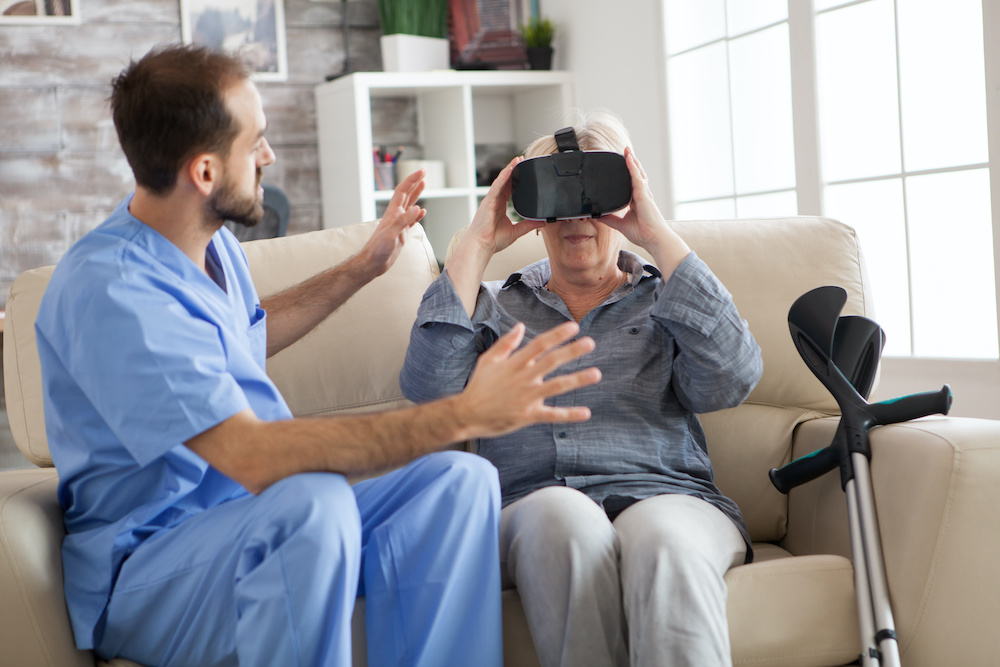
Artificial intelligence (AI) is becoming increasingly used in healthcare as it aims to mimic human cognitive functions and provide an insight into processes that have been under-researched until now. The technology can help to quickly and accurately detect and diagnose a variety of diseases including some forms of cancer, and neurological and cardiovascular conditions. When it comes to dementia, the technology is thought to be capable of diagnosing the disease after just one brain scan…
AI is the simulation of human intelligence processes by machines and works by processing large amounts of data, analysing it to detect patterns and using the findings to predict future healthcare concerns.
Although we are in the very early days of understanding AI and its full potential, it is already providing benefits to healthcare, such as improving patient outcomes, and making better and faster diagnoses, as well as completing administrative tasks, such as scheduling appointments and offering virtual health assistance.
There are a number of research studies suggesting that AI can perform as well as, or sometimes even better, than humans at key healthcare tasks, such as diagnosing diseases.
It is thought that the development of the technology could one day shift from hospital to home-based care, such as remote monitoring and AI-powered alerting systems, as patients take increasing ownership of their treatment. This will allow patients to be monitored and treated in their own homes, leading to less pressure and demand on our healthcare services.
As AI collects and analyses data, it could lead to early diagnosis and therefore early treatment intervention. The technology will also help medical professionals to identify healthcare needs, develop faster and more accurate solutions to problems and collate national and international healthcare data, helping millions of people around the world in the future.
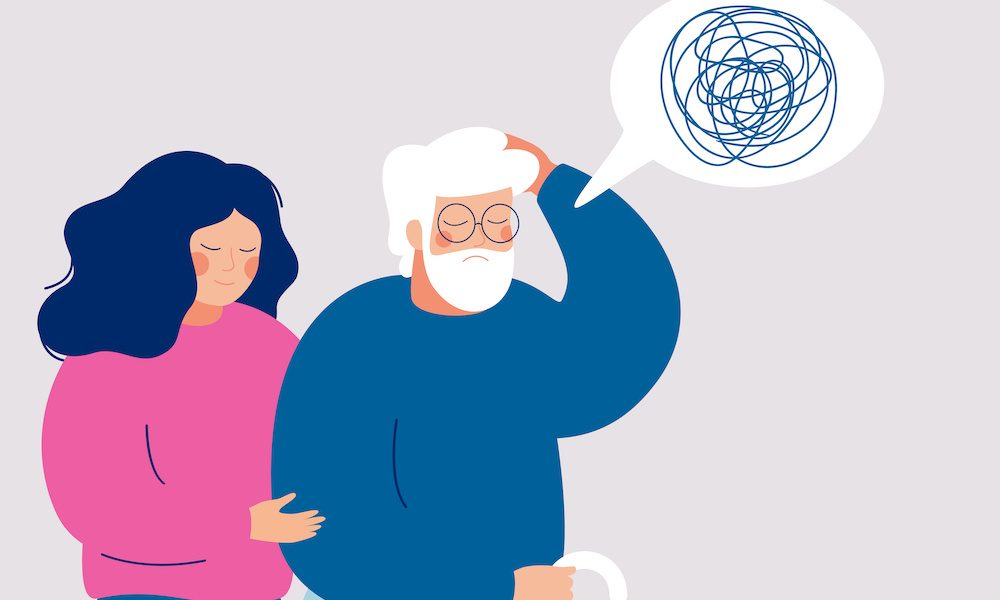
One disease which could benefit from early detection is dementia, which is a condition caused by a build-up of different types of protein in the brain and leads to a deterioration of cognitive functions. It affects memory, thinking, coordination, judgement and language.
Currently there are more than 55 million people living with the disease and 10 million new cases every year.
There are many different forms of dementia, with Alzheimer’s disease being the most common and contributing to 60 to 70 per cent of cases. This type of disease is progressive and causes brain cells to shrink and die.
Others include vascular dementia, which is caused by problems in the blood supply to brain cells, and Lewy bodies, the third most common after Alzheimer’s and vascular dementia, which is caused by protein deposits developing in nerve cells of the brain.
Early diagnosis for the life-changing condition opens the door to future care and treatment and, in some cases, the patient can take control and make decisions about their treatment while they are still able to.
There is also strong evidence that an early diagnosis can help someone with dementia to live independently for longer, which enhances their quality of life.
So how can AI help?
In 2021, scientists from Cambridge University and The Alan Turing Institute developed machine learning tools which can detect dementia in patients up to 15 to 20 years earlier than current processes.
Cellular changes to the brain usually occur many years before symptoms appear and it can take several months, or even years, and multiple hospital visits to diagnose dementia.
However, this new technology spots structural changes to the brain from a single brain scan by identifying patterns using previous research and memory tests. The findings provide a prognostic score, which is the likelihood of the patient having the disease.
The machine learning algorithm is trained to detect patterns of grey matter loss, which is the wearing away of the brain. AI supports medical imaging analysis in clinical trials as huge amounts of data and images need to be collected and checked, which AI can do at high speed and compare them to others to identify patterns.
For patients presenting with mild memory loss and language problems, the algorithm was more than 80 per cent accurate in predicting those individuals who went on to develop Alzheimer’s.
Further research
Other research from around the world includes the DRIAD framework, which repurposes current medications as possible treatments for the neurodegenerative conditions. The framework measures what happens to human brain cells when treated with a drug and whether changes correlate with molecular markers of disease severity.
This approach has allowed researchers to identify drugs that had protective as well as damaging effects on brain cells.
AI can decrease the cost of developing medicines by predicting molecular structures from databases which will identify if potential medicines would or would not be effective for certain diseases. Although there is currently no cure for dementia, analysing medications and treatments may eventually lead to the development of one, or at least better preventative treatments.
The use of computers to communicate is not new, in fact we use them every day over the telephone, emails and social media.
Neurological diseases, including some forms of dementia as well as amyotrophic lateral sclerosis (ALS) and strokes, can take away some patients’ ability to speak.
However brain-computer interfaces (BCIs) backed by artificial intelligence could restore the ability to speak, move and interact by decoding the neural activities associated with the intended movement or speech, restoring fundamental experiences and offering a better quality of life.
The technology is assistive and adaptive and can help elderly people and those living with dementia in many ways, including training their cognitive abilities to prevent aging effects, controlling home appliances, communicating with others and much more.