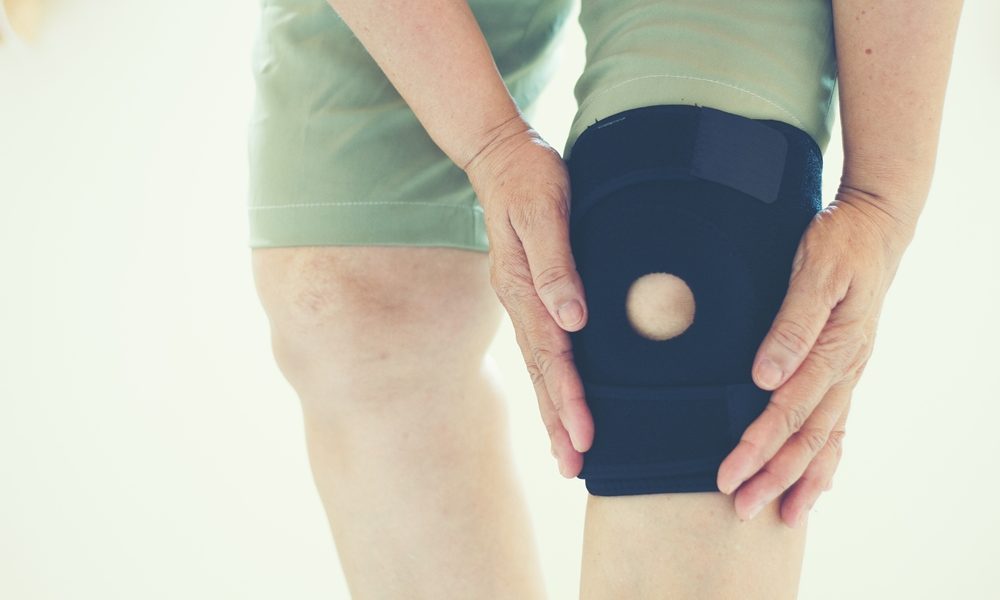
A protein-blocking injection triggered cartilage regeneration in old mice, raising hopes for a future alternative to knee replacement surgery.
The treatment targets 15-PGDH, a protein that rises with age and contributes to tissue decline. Researchers call such age-linked enzymes “gerozymes”, master regulators of ageing.
Blocking 15-PGDH thickened knee cartilage across the joint surface in older animals. Tests showed the new tissue was smooth, functional hyaline cartilage found in healthy joints.
Researchers at Stanford Medicine also reported that the therapy prevented osteoarthritis after knee injuries akin to anterior cruciate ligament (ACL) tears seen in football, basketball and skiing.
“Millions of people suffer from joint pain and swelling as they age,” said Nidhi Bhutani, associate professor of orthopaedic surgery at Stanford.
“It is a huge unmet medical need. Until now, there has been no drug that directly treats the cause of cartilage loss.”
Osteoarthritis, a degenerative joint disease affecting about one in five adults in the US, is estimated to cost around US$65bn a year in direct healthcare spending.
Current options mainly manage pain or replace joints surgically.
Human knee tissue from replacement operations also produced new, functional cartilage when exposed to the treatment, hinting that the approach could translate to patients.
The regeneration did not rely on stem cells. Instead, existing cartilage-producing cells, called chondrocytes, shifted their gene activity towards a more youthful state.
Chondrocytes make and maintain cartilage.
“This is a new way of regenerating adult tissue, and it has significant clinical promise for treating arthritis due to ageing or injury,” said Helen Blau, professor of microbiology and immunology at Stanford and co-senior author of the study.
“We were looking for stem cells, but they are clearly not involved.”
An oral version is already in phase 1 trials for age-related muscle weakness, with early results indicating it is safe in healthy volunteers.
“Our hope is that a similar trial will be launched soon to test its effect in cartilage regeneration,” Blau added.
“Imagine regrowing existing cartilage and avoiding joint replacement.”