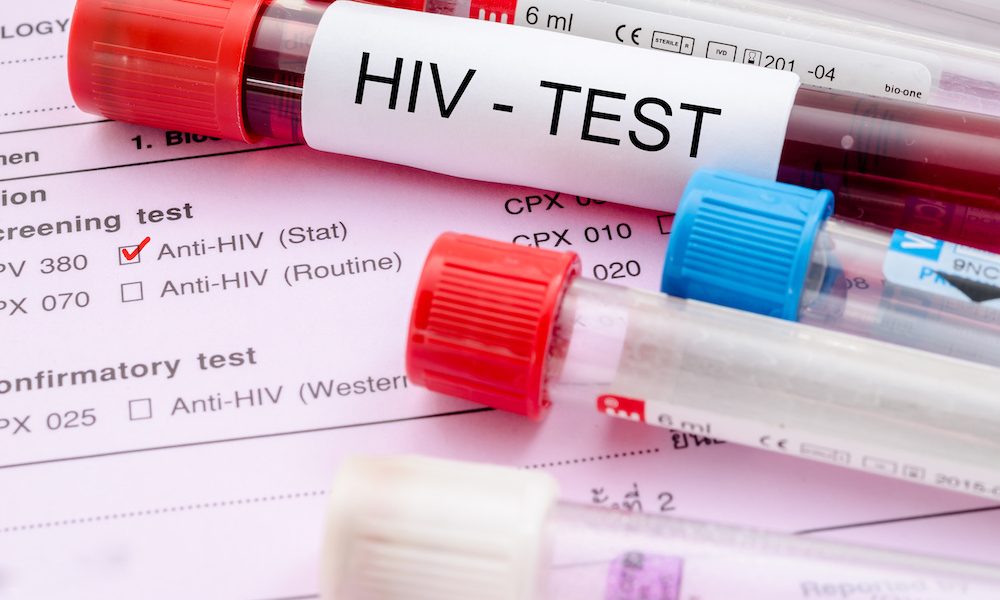
A new study found that HIV infection may cut about five years off an individual’s life span.
The new study highlights the importance of an early diagnosis as HIV has been found to have a substantial impact on ageing within just two to three years of contracting the virus.
Published in the Journal iScience, the research suggests the viral infection accelerates biological changes in the body that are usually associated with ageing.
Researchers used blood samples from 102 male participants, collected six months or less before HIV infection and again two to three years after the infection.
Researchers compared the results of the patients with HIV to 102 matching samples of non-infected men of the same age taken over the same time period.
“Our work demonstrated that even in the early months and years of living with HIV, the virus has already set into motion an accelerated ageing process at the DNA level,” said Elizabeth Crabb Breen, lead author of the study. “This emphasises the critical importance of early HIV diagnosis and an awareness of ageing-related problems, as well as the value of preventing HIV infection in the first place.”
The study particularly looked at five epigenetic measures of ageing described in previous studies, finding a significant age acceleration in each of four epigenetic measurements.
“These longitudinal observations clearly demonstrate an early and substantial impact of HIV infection on the epigenetic ageing process, and suggest a role for HIV itself in the earliest onset of clinical ageing,” scientists wrote in the study.
They also added: “The study reported here is the largest, and the first with matched HIV-uninfected controls, to longitudinally follow individuals per the course of becoming infected with HIV, and to document epigenetic changes consistent with accelerated biological ageing.”
Limitations of the study include the fact that only men were sampled which could mean that the results may not be applicable to women.