


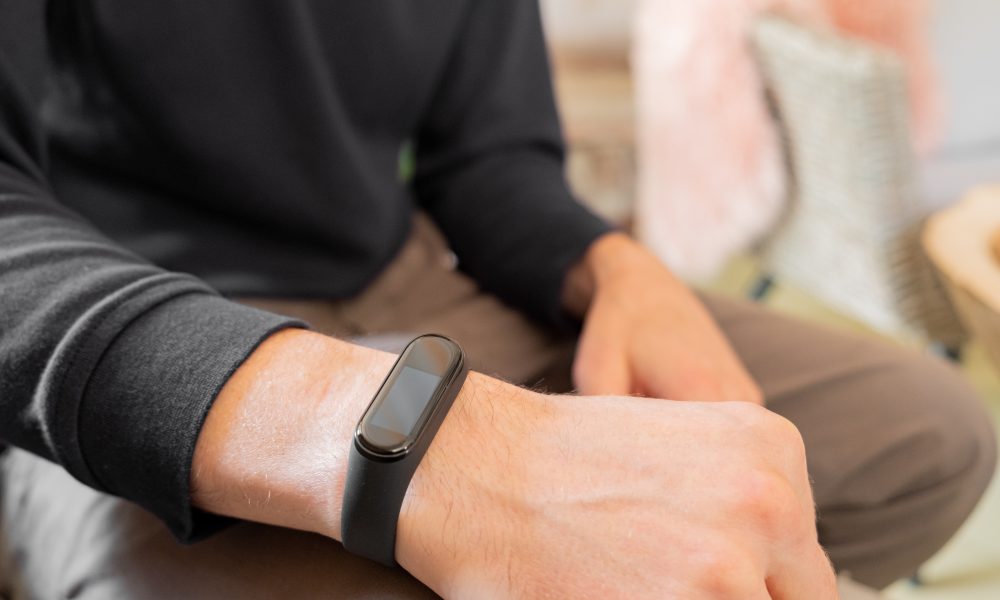
Google has submitted data to the FDA for a new Fitbit feature that would passively monitor users for atrial fibrillation (AF).
AF is the most common type of heart rhythm disorder and is a factor in up to one in seven strokes in the US.
Currently, users have to actively check for irregular heart rhythms.
This new feature would run in the background, alerting users to signs of AF and enabling them to seek treatment sooner.
Fitbit tested its passive heart rhythm technology in a 2020 study, with nearly half a million users participating.
The device flagged AF in around 1 per cent of users (approximately 5000 people), according to data presented at the 2021 American Heart Association meeting.
Users flagged for AF were asked to set up a telehealth consultation so they could get an ECG patch and around 1000 did so.
Around a third of those people had the diagnosis confirmed, giving the tech a positive predictive value of 98 per cent, compared to 84 per cent in a similar-sized study of Apple Watch.
Tony Faranesh, a research scientist at Fitbit, said in a press briefing:
“These results are extremely promising and we think will have a real impact on early detection and treatment of this important condition.”
Faranesh could not say when the feature would be available to Fitbit users.
Meanwhile, an east Midlands NHS trust has created a remote monitoring ward for patients with AF.
The University Hospitals of Leicester NHS Trust scheme is one of the first of its kind in the UK.
The scheme received £274,000 in funding from NHS England’s Transformation Directorate (formerly NHSX.)
The project will provide 120 virtual beds to patients with the potentially deadly heart condition.
Professor Andre Ng, consultant cardiologist and electrophysiologist at University Hospitals of Leicester NHS Trust, said:
“This is a glimpse into the future of care for patients with atrial fibrillation.


