


Glucose monitoring improves blood sugar control in adults with type 2 diabetes treated with basal insulin, a major clinical trial has found.
Researchers carried out the FreeDM2 trial, which compared the effectiveness of real-time continuous glucose monitoring, known as CGM, with traditional finger-prick blood glucose monitoring in adults with type 2 diabetes.
The findings of the study support the use of advanced glucose monitoring technologies to improve glucose levels in people living with type 2 diabetes.
The research was led by Dr Emma Wilmot from the University of Nottingham and University Hospitals of Derby and Burton NHS Foundation Trust and Dr Lala Leelarathna from Imperial College London and Imperial College Healthcare NHS Trust.
Dr Wilmot said: “Diabetes is extremely challenging to manage. The FreeDM2 trial highlights how CGM can help those with basal insulin treated type 2 diabetes.
“Individuals I supported during the trial told me that the use of CGM gave them new insights into their diabetes management, with many describing it as ‘life changing’.
“We would like to thank all those who took part in this transformative study.
“We hope more people living with type 2 diabetes will benefit from these findings in the future.”
Diabetes is one of the most challenging long-term conditions to self-manage, and keeping blood glucose levels within the target range can be difficult.
Over time, consistently high blood glucose can increase the risk of serious complications, including blindness, amputations, heart disease and premature death.
Type 2 diabetes accounts for around 90 per cent of all diabetes cases worldwide. For people with diabetes, managing blood glucose levels, measured using a lab test called haemoglobin A1c, or HbA1c, is crucial in reducing the risk of serious complications, which can also carry significant healthcare costs.
Finger-prick blood glucose tests are commonly used to monitor glucose levels in people with type 2 diabetes and to guide therapies, diet and activity.
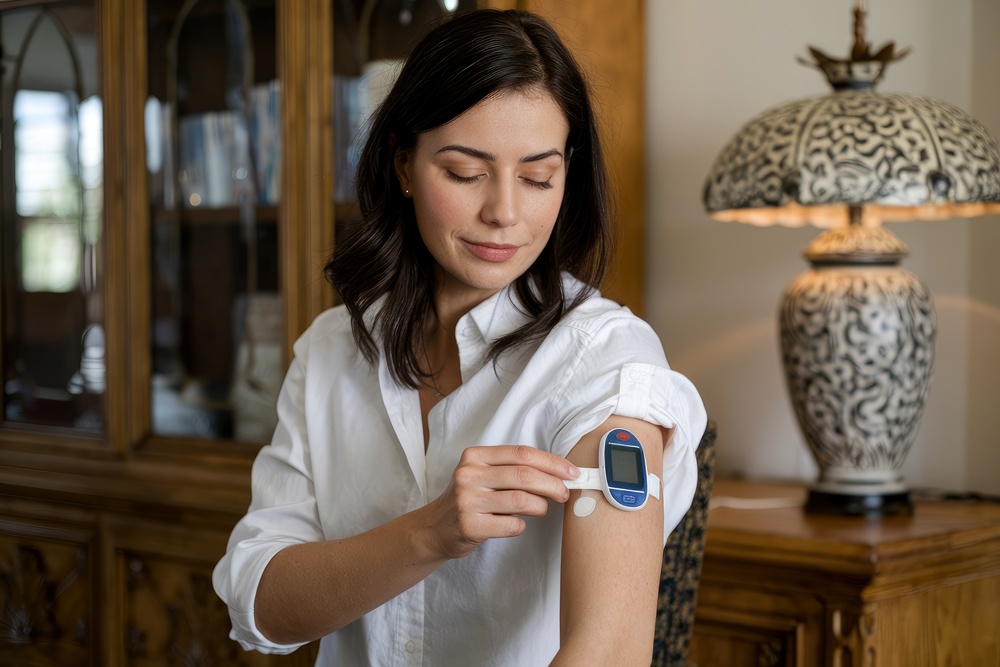
More recently, CGM has offered an alternative, less painful option. People with diabetes wear a small sensor on the back of the arm, which transmits glucose measurements to the user’s mobile phone, or a dedicated reader.
This tracks glucose levels throughout the day and night, and alarms alert the user when glucose levels are too high or too low.
Although CGM has transformed care for type 1 diabetes and is now considered standard care in the UK, people living with type 1 diabetes used to struggle to access it.
But the role of CGM in people living with type 2 diabetes, particularly among those using newer therapies, has remained uncertain, limiting access.
In the FreeDM2 trial, 303 participants were randomly assigned to either real-time CGM or continued finger-prick glucose monitoring over a 16-week self-management period, before being supported by a clinician for 16 weeks.
Participants using CGM saw significantly greater reductions in HbA1c levels than those using finger-prick glucose monitoring at both 16 and 32 weeks, highlighting the sustained benefit of CGM across both independent and clinician-guided care phases.
Dr Lucy Chambers, head of research impact communications at Diabetes UK, said: “For many people with type 2 diabetes, managing their condition means constantly balancing blood sugar levels with medications alongside everyday activities such as eating, sleeping and exercising.
“Continuous glucose monitoring (CGM) gives people a near real-time picture of their blood sugar levels, which can be transformative, reducing the need for endless finger-prick tests and supporting safe, effective day-to-day management.
“This important study strengthens the case for expanding the use of CGM for some people with type 2 diabetes, though analysis is needed to confirm whether it would be cost-effective.
“It also reinforces the importance of ensuring that those with type 2 diabetes who are eligible for CGM according to current national guidelines are provided with it. Diabetes UK will continue to push for fair, equitable access to diabetes technology, alongside the support people need to use it effectively, so that no-one is left behind.”