


Early diagnosis can improve ‘dementia journey’, charity says
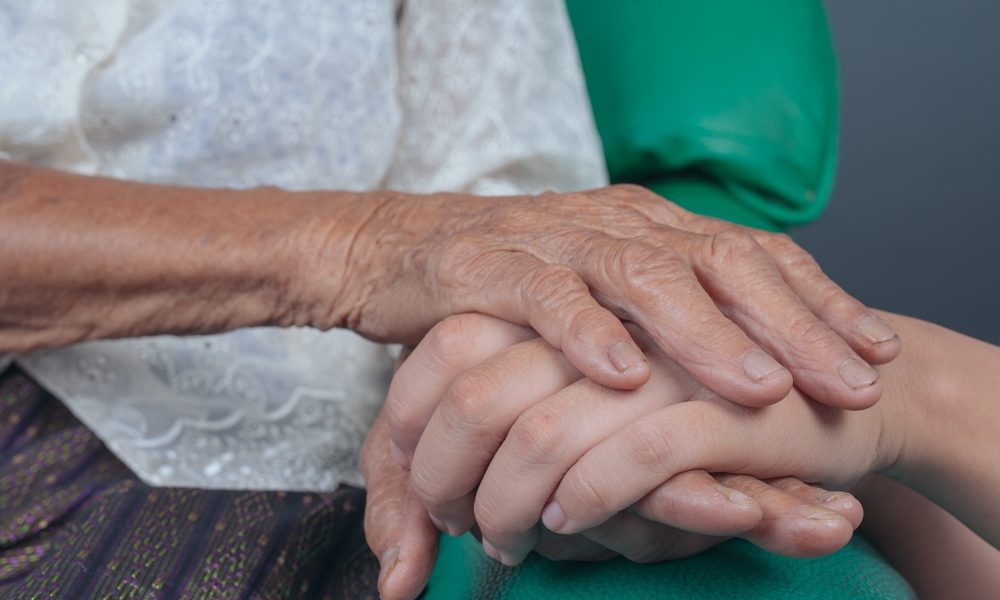
Recognising dementia symptoms and receiving an early diagnosis can help people with the condition to “live better for longer”, a support charity has said.
The Alzheimer’s Society worked with other agencies to reduce stigma and run “myth-busting” events across the Isle of Man for Dementia Awareness Week.
Claire Cubberley from the society said while it could be a “difficult and challenging disease”, medicines and “a raft of support” could help “slow down” the effects.
It is thought about 1,600 people on the Isle of Man have a formal dementia diagnosis, though the figure could be closer to 2,000 if those undiagnosed are included.
The campaign, which was also supported by the Forget Me Not admiral nurses, Manx Care, and Manx Decaf – which runs monthly cafés for people affected by the condition – included pop-up events in Braddan, Ramsey and Douglas.
Cubberley said the charity’s work also covered research into medicines and diagnosis processes, alongside raising awareness in the community.
“We’re trying to create a future where dementia no longer devastates lives,” she said.
She said a common question was: “Why would you come forward and have a diagnosis for dementia if there’s no cure?”
Education and understanding, she said, “removes fear and anxiety” for the person and their family, and means services such as mental health support and social groups to help at “every stage” can be put in place early.
Formalities such as wishes for finances or care options can also be arranged while people still “have time to make decisions for themselves”.
Cubberley said: “People can live with this disease for 10 to 15 years. If a person comes forward earlier, the dementia journey can be little bit smoother.”
Jeanette Hogg, lead Forget Me Not admiral nurse, said some myths the teams were keen to challenge were that “everyone who is old gets dementia or if my mum has had it, then I’m going to get it – that isn’t the case”.
She said: “We all have brain changes, but not everyone develops a dementia,” adding that only five per cent of dementias were genetic.
“If you’ve met one person with dementia, you’ve met one person with dementia,” she said.
She added that dementia is an umbrella term for a range of conditions, “with different symptoms, and different treatment processes”.
The campaign was also a chance to highlight the support admiral nurses provide, offering “a tool box of practical things they can do, as well as emotional and psychological support”.
“We try to put scaffolding around the carers to support them too,” Hogg said.
“Dementia is a life-limiting condition but people can still live really well with it.”


