Almost half of adults with diabetes are undiagnosed, study finds
Forty-four per cent of adults aged 15 and over with diabetes do not know they have it, according to a new global data analysis.
The study reviewed data from 204 countries and territories between 2000 and 2023. It found younger adults were least likely to be diagnosed, with only 20 per cent of young adults with diabetes aware of their condition.
About one in nine adults worldwide live with diabetes, according to the International Diabetes Federation.
In the US, 11.6 per cent of people had the disease in 2021, figures from the American Diabetes Association show.
The research, from the Institute for Health Metrics and Evaluation, found 56 per cent of people with diabetes globally knew they had it, with wide variation across age groups and regions.
Lauryn Stafford, lead author and researcher at the institute, said: “The majority of people with diabetes that we report on in the study have type 2 diabetes.
“Globally, there’s a lot of variation geographically, and also by age. So, generally, higher-income countries were doing better at diagnosing people than low- and middle-income countries.”
Younger people were far less likely to be diagnosed than those in middle age or older.
Routine screening is rarely recommended for under-35s, while many health organisations advise annual checks for adults aged 35 and over.
Around one-third of adults are diagnosed with diabetes later than their earliest symptom, according to a 2018 study.
Dr Rita Kalyan is chief scientific and medical officer at the American Diabetes Association and was not involved in the study.
Kalyan said: “Diagnosing diabetes early is important because it allows for timely management to prevent or delay long-term complications such as heart disease, kidney failure, nerve damage, and vision loss.
“Symptoms of diabetes include increased thirst or hunger, frequent urination, blurry vision, unexpected weight loss, and fatigue.
However, in the early stages, most people with diabetes are asymptomatic, which highlights the importance of screening and diagnosis.”
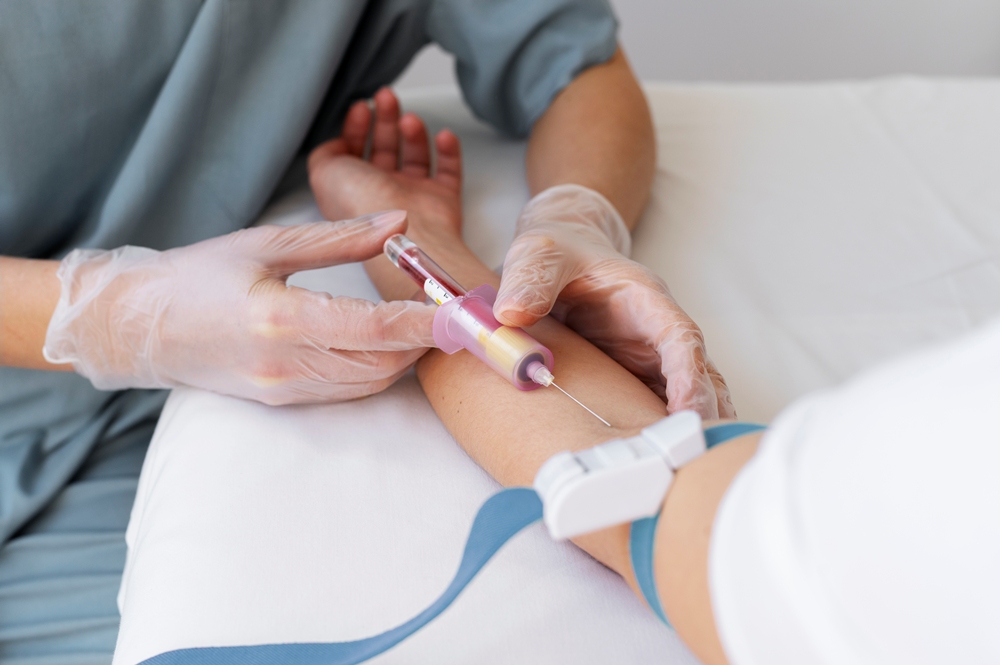
Experts recommend blood glucose testing if symptoms appear or if there is a family history of the disease.
Globally in 2023, only about 40 per cent of people receiving treatment achieved good blood sugar control, Stafford said.
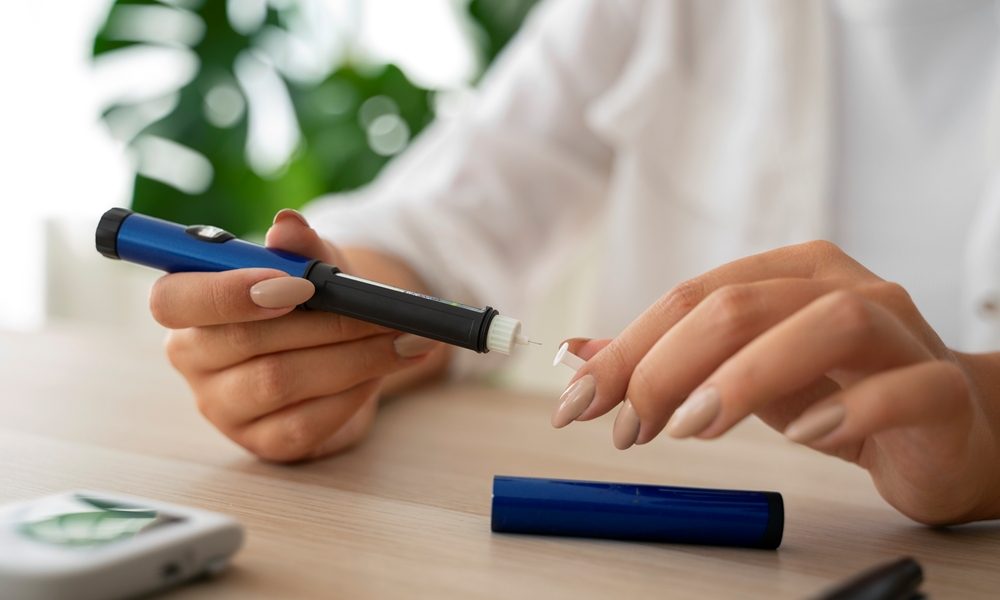
This was despite the availability of widely used drugs, including insulin, Metformin and GLP-1s – medications that mimic natural hormones to lower glucose.
Diabetes is often accompanied by other conditions, such as high blood pressure or chronic kidney disease, which can complicate treatment, Stafford added.
While type 1 diabetes cannot be prevented, the more common type 2 diabetes can often be avoided.
Eating fewer red and processed meats, adopting a Mediterranean or plant-based diet, and limiting ultra-processed foods can all lower risk.
Adding more fruit, nuts and whole foods, along with physical activity such as brisk walking for at least 15 minutes a day, can also help reduce the chance of diabetes and other chronic diseases.
“I think, ultimately, if we can also focus more on the risk factors for developing diabetes — preventing people from needing to be diagnosed in the first place — that is also critical,” Stafford said.