News
AI algorithm can rule out heart attacks with 99.6% accuracy

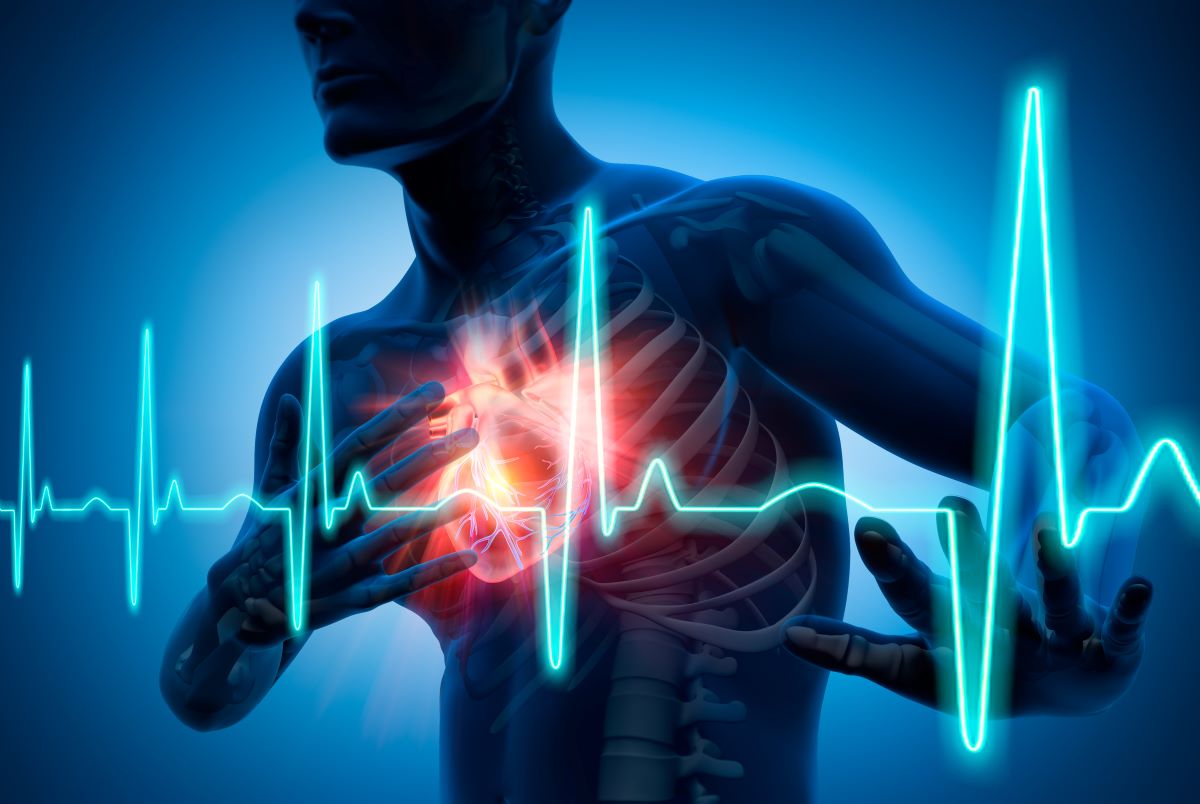
Heart attacks could soon be diagnosed faster and more accurately thanks to a new test developed with artificial intelligence.
It’s hoped the UK-led breakthrough could reduce the pressure on accident and emergency departments and help end inequalities in diagnosis, which previous research has shown sees women 50% more likely to get a wrong initial prognosis.
People who are initially misdiagnosed have a 70% higher risk of dying after 30 days, according to statistics from the British Heart Foundation.
But researchers at the University of Edinburgh, who developed the algorithm it’s hoped will soon be used by doctors, say it is an opportunity to end this clinical bias.
A trial of 10,286 patients in six countries found that compared to current testing methods this algorithm, named CoDE-ACS, was able to rule out a heart attack in more than double the number of patients with an accuracy of 99.6%.
Clinical trials are now underway in Scotland with support from Wellcome Leap – which focuses on discovery and innovation to improve human health – to assess whether the tool can help doctors reduce the pressure on overcrowded emergency departments.
Professor Nicholas Mills, professor of cardiology at the Centre for Cardiovascular Science at the University of Edinburgh, who led the research, said: “For patients with acute chest pain due to a heart attack, early diagnosis and treatment saves lives.
“Unfortunately, many conditions cause these common symptoms, and the diagnosis is not always straight forward. Harnessing data and artificial intelligence to support clinical decisions has enormous potential to improve care for patients and efficiency in our busy emergency departments.”
The current gold standard for diagnosing a heart attack is measuring levels of the protein troponin in the blood.
But the same threshold is used for every patient. This means that factors like age, sex and other health problems which affect troponin levels are not considered, affecting how accurate heart attack diagnoses are.
This can lead to inequalities in diagnosis.
CoDE-ACS – which stands for Collaboration for the Diagnosis and Evaluation of Acute Coronary Syndrome – was developed using data from more than 10,000 patients in Scotland who had arrived at hospital with a suspected heart attack.
It uses routinely collected patient information, such as age, sex, ECG findings and medical history, as well as troponin levels, to predict the probability that an individual has had a heart attack.
The result is a probability score from 0 to 100 for each patient.
The AI tool performed well regardless of age, sex, or pre-existing health conditions, showing its potential for reducing misdiagnosis and inequalities across the population.
The researchers say CoDE-ACS has the potential to make emergency care more efficient and effective, by rapidly identifying patients that are safe to go home, and by highlighting to doctors all those that need to stay in hospital for further tests.
The work, funded by the British Heart Foundation and the National Institute for Health and Care Research, has been published in the journal Nature Medicine.
Cardiovascular diseases are the leading cause of death globally with an estimated 17.9 million lives lost. More than four out of five CVD deaths are due to heart attacks and strokes.
The average age of people at the time of their first heart attack is 65.5 years for men and 72 years for women.
According to the British Heart Foundation, as many as 100,000 hospital admissions every year in the UK are due to heart attacks – that’s one every five minutes.
Professor Sir Nilesh Samani, Medical Director of the British Heart Foundation, said: “Chest pain is one of the most common reasons that people present to emergency departments. Every day, doctors around the world face the challenge of separating patients whose pain is due to a heart attack from those whose pain is due to something less serious.
“CoDE-ACS, developed using cutting edge data science and AI, has the potential to rule-in or rule-out a heart attack more accurately than current approaches. It could be transformational for emergency departments, shortening the time needed to make a diagnosis, and much better for patients.”
This new test is the second medical AI-related announcement to be made within a matter of days.
Research led by investigators at Harvard Medical School and the University of Copenhagen in collaboration with VA Boston Healthcare System, Dana-Farber Cancer Institute, and the Harvard TH Chan School of Public Health, demonstrated that AI was able to determine a person’s risk of developing pancreatic cancer with astounding accuracy up to three years prior to their actual diagnoses, based solely on their medical records.
In March this year researchers in Canada announced that artificial intelligence had developed a treatment for the most common type of liver cancer, hepatocellular carcinoma, in just 30 days and could predict a patient’s survival rate.
And AI is already being used to help develop new drugs, in surgery and for personalising treatment.
Of this latest study, Steve Goodacre, professor of emergency medicine at the University of Sheffield, said: “This intriguing study shows how AI can use complex analysis, rather than a simple rule, to improve diagnosis.
This doesn’t (yet) show that we can replace doctors with computers. Experienced clinicians know that diagnosis is a complex business. Indeed, the ‘ground truth’ used to judge whether the AI algorithm was accurate was a judgement made by clinicians.
“It will be interesting to see how clinicians in the emergency department use this algorithm. What will they do if they think the algorithm has got it wrong? The next stage of the research will hopefully answer that question.”








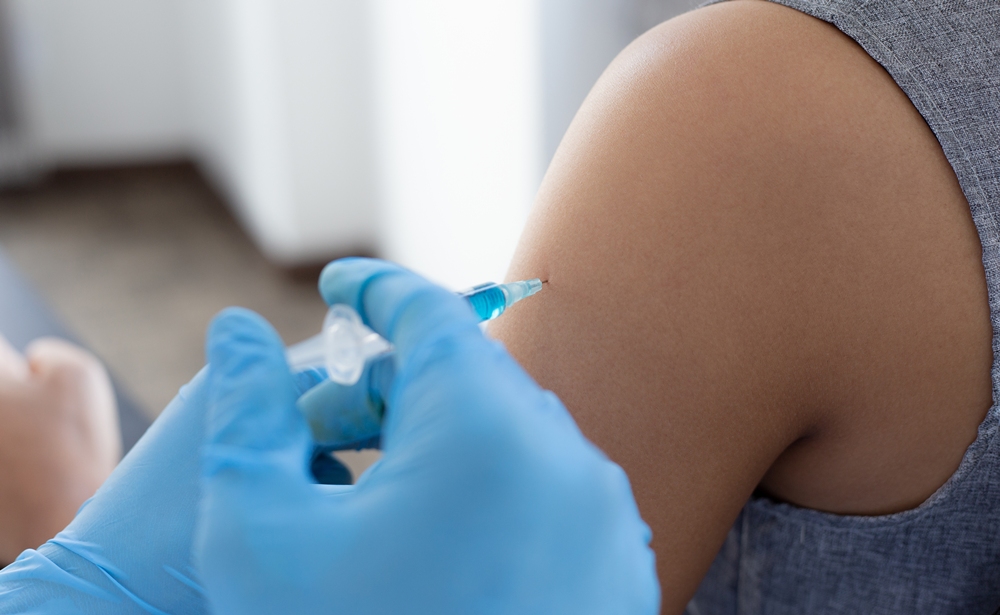

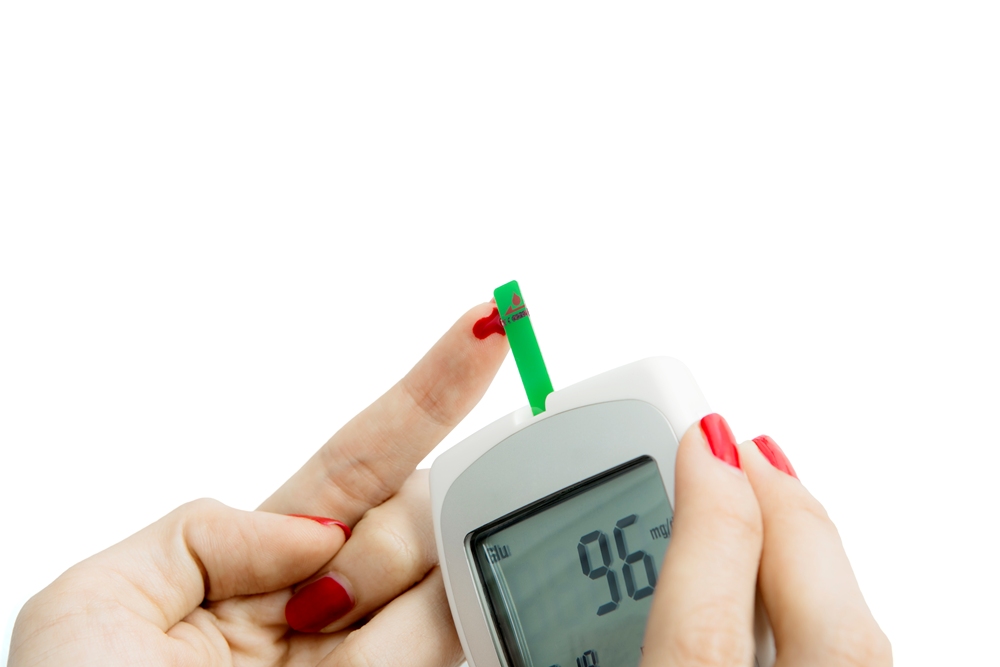
Sharp rises in blood sugar after meals may raise Alzheimer’s risk, according to genetic analysis of more than 350,000 adults.
The findings point to after-meal glucose, rather than overall blood sugar, as a possible factor in long-term brain health.
Researchers examined genetic and health data from over 350,000 UK Biobank participants aged 40 to 69, focusing on fasting glucose, insulin, and blood sugar measured two hours after eating.
The team used Mendelian randomisation, a genetic method that helps test whether biological traits may play a direct role in disease risk.
People with higher after-meal glucose had a 69 per cent higher risk of Alzheimer’s disease.
This pattern, known as postprandial hyperglycaemia (elevated blood sugar after eating), stood out as a key factor.
The increased risk was not explained by overall brain shrinkage (atrophy) or white matter damage, suggesting after-meal glucose may affect the brain through other pathways not yet fully understood.
Dr Andrew Mason, lead author, said: “This finding could help shape future prevention strategies, highlighting the importance of managing blood sugar not just overall, but specifically after meals.”
Dr Vicky Garfield, senior author, added: “We first need to replicate these results in other populations and ancestries to confirm the link and better understand the underlying biology.
“If validated, the study could pave the way for new approaches to reduce dementia risk in people with diabetes.”

Shingles vaccine may slow biological ageing in older adults

Thousands of men in England to be offered life-extending prostate cancer drug

Blood sugar spike after meals may increase Alzheimer’s risk

Study reveals why memory declines with age

Agetech research round-up: brain health vital, £38m to combat Alzheimers, and more…

FDA clears automated brain fluid device

Agetech World’s latest innovation & investment round-up

Insilico signs US$888m oncology deal with Servier

Food preservatives linked to increased diabetes and cancer risk, study finds

UK bans junk food ads before 9pm to protect child health
 News2 weeks ago
FDA clears automated brain fluid device
- News2 weeks ago
Agetech World’s latest innovation & investment round-up
- Markets & Industry2 weeks ago
Insilico signs US$888m oncology deal with Servier
- News2 weeks ago
Food preservatives linked to increased diabetes and cancer risk, study finds
- News2 weeks ago
UK bans junk food ads before 9pm to protect child health
- News1 week ago
Captioning glasses win AARP pitch at CES
- Insights2 weeks ago
Global longevity initiative launches North American chapter
- Research6 days ago
Interview: GlycanAge launch first hospital-based tests