Children’s consortium collaborates with European consortium to accelerate innovation
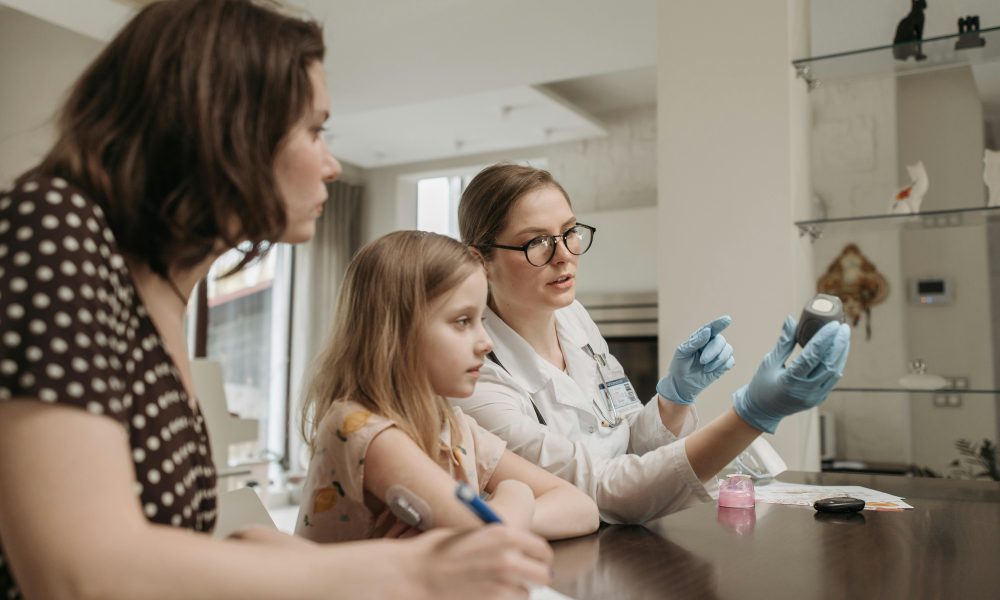
To support the global need for innovation in paediatric medical device development, the Alliance for Pediatric Device Innovation (APDI), a consortium funded by the U.S. Food and Drug Administration (FDA) and led by Children’s National Hospital, is partnering with DeCODe, a new European Commission-funded device consortium, to advance medical technologies that benefit children.
DeCODe was formed to catalyse innovation and address the unique healthcare needs of children with rare diseases. The consortium is a collaboration of clinicians, researchers, industry experts and regulatory authorities that creates a platform for developing safe and effective paediatric and orphan medical devices.
Kolaleh Eskandanian, Ph.D., M.B.A., vice president and chief innovation officer at Children’s National and APDI principal investigator and programme director, who is serving as the advisor and U.S. partner to DeCODe, said: “Partnering with DeCODe represents a crucial step toward addressing the unmet medical needs of children, particularly those with rare diseases.
“By leveraging the expertise and resources from both sides of the Atlantic, DeCODe will lead the way to develop a robust framework to accelerate the development of safe and effective paediatric medical devices.
“Our collaboration highlights the importance of global partnerships to ensure that children, regardless of where they live, can access innovative medical technologies designed specifically for them.”
On behalf of APDI, Dr. Eskandanian will provide advisory support to DeCODe by sharing best practices and lessons learned from over 11 years of leading a similar programme in the United States. Her extensive experience, reflected in the first 10 years as principal investigator of the FDA-funded consortium, includes supporting the authorisation in the form of registration, clearance and approval of more than 20 medical devices in the U.S. and European Union.
She has facilitated successful exits for eight portfolio companies via acquisition and helped all portfolio companies secure more than $500 million in follow-on funding.
“We are eager to leverage this expertise to help DeCODe run a successful and impactful program for pediatric medical device innovation in the European Union,” Dr. Eskandanian said.
Few medical devices specifically developed for children with rare diseases are currently available, although some existing devices provide essential functions for rare disease patients, their caregivers and healthcare professionals. Many patients and caregivers express a substantial unmet need for new pediatric devices for rare conditions.
DeCODe will use a two-step methodology to support the development of paediatric and orphan devices. The process begins with mapping paediatric and orphan stakeholders and initiatives, developing a critical pathway analysis to optimize novel paediatric and orphan medical technologies.
As a second step, DeCODe will select five developers for support through grant applications, with an anticipated launch in March 2025.
For each developer, the programme will track supported paediatric and orphan devices, the number of prototypes developed, the business plans created, the number of clinical data collections launched, and certificates obtained throughout the support process. The DeCODe initiative is expected to lead to the approval and implementation of up to five new medical devices for rare diseases.
The DeCODe platform will be available for any European medical device developer, whether a patient-led group, academic or small-to-medium enterprise. Applications for the DeCODe grant programme will be accepted in spring 2025.