Latest News

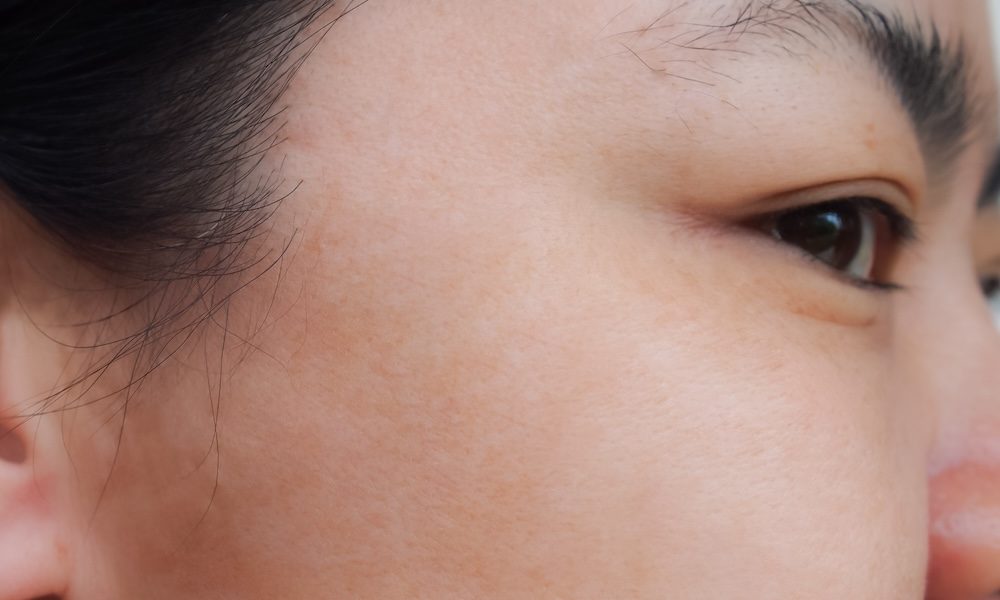
A research programme focusing on skin ageing in Asian populations has been backed by almost US$10.5m (S$13.9m) from the Singapore government. The Cutaneous Ageing & Maintenance Programme (CAP) will be led by the A*STAR Skin Research Labs, a member of the Skin Research Institute of Singapore (SRIS). The study aims to address age-related skin conditions [...]
The world’s largest investigation into the effectiveness of hearing training kicks off this week - as part of a movement to prove that hearing loss is not an inevitable part of ageing. The research project aims to attract a minimum of 10,000 participants to better understand how hearing training impacts auditory processing skills like speech comprehension and [...]
The STEPS II study is investigating functional electrical stimulation (FES) in people with Parkinson’s disease to help improve their walking. Dr Paul Taylor, co-founder and Clinical Director of Odstock Medical Ltd (OML), spoke to Agetech World to tell us more. Bradykinesia - slowness of movement which can lead to difficulty walking - affects many people living [...]
Resisting the temptation to search the web for information that could otherwise be recalled be exercising your brain could help to reduce the risk of dementia. That is according to Canadian academic Professor Mohamed I. Elmasry who believes simple daily habits such as afternoon naps, memory ‘workouts’ and not reaching for a smartphone can increase [...]
Away from the mainstream success of FitBit, Apple Watch and co., the market for wearables targeted at ageing health challenges is growing rapidly. Agetech World looks at some of the devices and trends on the rise in this field. Fall detection devices As we age, we suffer more balance issues and become weaker, leading to falls. These falls [...]
By Mike Battista, Director, Science and Research, Creyos Dementia is a debilitating condition affecting millions all over the world, characterised by a decline in cognitive functions such as memory, reasoning, and communication. Early detection is advantageous in planning for and managing diseases that cause dementia, as early detection can identify mild issues with cognition while [...]
Researchers at the University of Cambridge have developed an artificially-intelligent tool capable of predicting in four cases out of five whether people with early signs of dementia will remain stable or develop Alzheimer’s disease. The team say this new approach could reduce the need for invasive and costly diagnostic tests while improving treatment outcomes early [...]
Robear is an animatronic bear that lifts elders with mobility problems, Paro is a fuzzy robotic seal intended to provide a futuristic form of animal therapy, and Pepper is a humanoid with remote-monitoring capabilities and learning tools. Pet robots have revolutionised and enhanced the standard of care, improving the wellbeing of care home residents. Here [...]
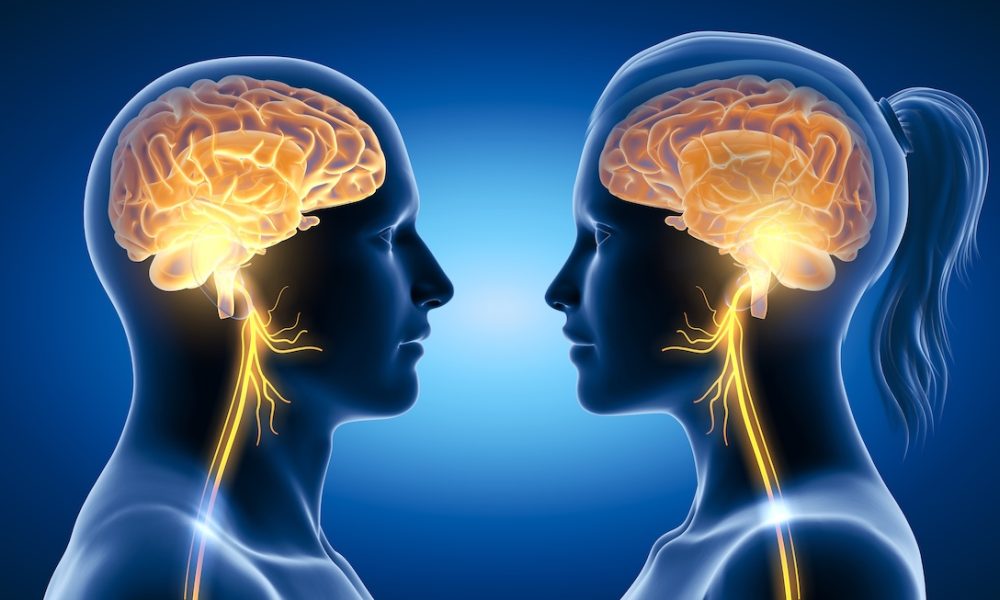
An international panel of experts has issued a “consensus statement” on sex and gender disparities in resilience to Alzheimer’s disease; which they hope will help to shape future research. Based on a review of a large body of literature, the panel identified sex and gender differences in dementia risk and identified a gap in the [...]
Eating a high-quality diet in youth and middle age could help keep your brain functioning well in your senior years, according to new preliminary findings from a study that used data collected from over 3,000 people followed for nearly seven decades. The research adds to a growing body of evidence that a healthy diet could [...]