Latest News

A free, on-demand course is providing research-backed strategies to reshape public perceptions and elevate the value of nursing home care. The training, developed by the National Center to Reframe Aging in partnership with the FrameWorks Institute and LeadingAge, is available to organisations that serve and care for older adults, advocates, and anyone communicating about nursing [...]
A new study has revealed the impact of cold plunges on the body's cells - highlighting the potential for cold exposure to enhance cellular resilience against stress. A new study has unveiled significant findings on the effects of cold water acclimation on autophagic (the cells’ recycling system, which promotes cellular health) and apoptotic (the programmed [...]
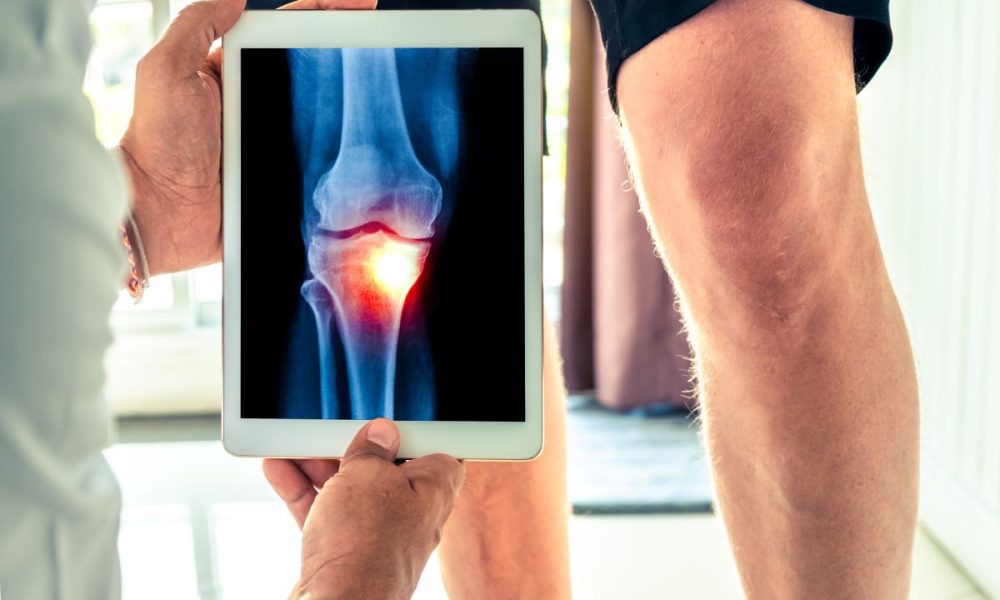
The largest genome-wide association study (GWAS) ever performed on osteoarthritis has uncovered over 900 genetic associations. More than 500 of these associations had never been reported before, providing fresh insights into the genetic landscape of the disease. By integrating diverse biomedical datasets, the researchers identified 700 genes with high confidence as being involved in osteoarthritis. [...]
Hydromethylthionine mesylate (HMTM) could potentially be the first oral treatment for Alzheimer’s disease (AD) that targets the tau protein pathology – if it is approved by regulators. The research compared results from HMTM’s recent Phase 3 trial with placebo data from closely matched subjects available from the Critical Path in AD (CPAD) Institute database, which [...]
A new survey has revealed that almost two-thirds (65 per cent) of UK adults over 65 want more choice and control over how they access primary healthcare services, such as opting between in person and video GP appointments, according to a new survey. The survey findings highlight the ongoing challenges faced by older adults in [...]
A new study has shown how aspects of brain function change with age, revealing that excitatory processes in the brain decrease, while inhibitory processes increase as children get older. The findings are an important step in understanding disorders like autism. Brain function is based on a delicate balance of excitatory processes which make brain cells [...]
Some older adults – including those with very low incomes – find themselves getting billed for using digital patient portals to send messages to their doctors and other healthcare providers. A new study suggests that people in their 50s and older have embraced the ability to send and receive secure medical messages with their doctors [...]
A new study has found that osteocytes - a type of bone cell - undergo dramatic structural and functional changes with age that impair their ability to keep our bones strong, offering new insights that could pave the way for better treatments for osteoporosis and age-related bone loss. Ageing and stress can induce cellular senescence [...]
Retired people who habitually exercise are more able to fight the impacts of mental fatigue, new research suggests. Researchers have worked with groups of adults to find out whether age would increase, and regular exercise would decrease the impact of mental fatigue on a series of cognitive and physical performance tests. In the first study, [...]
Researchers at the Inselspital, Bern University Hospital and the University of Bern have developed an AI-based tool that detects and classifies abnormalities of the coronary arteries in CT images with high precision. This could significantly improve the diagnosis and treatment of rare heart diseases. The study demonstrates the concrete applications of AI in clinical practice [...]