Latest News

A ketogenic diet rich in fish, berries and nuts could help improve brain health in people at higher risk of developing Alzheimer’s disease, new research suggests. The high-fat, low-carbohydrate diet — also known as a ketogenic diet — showed particular promise for women with the APOE4 gene, the strongest known genetic risk factor for late-onset [...]
Compal Healthcare will merge with Smart Ageing Tech on 1 January 2026, aiming to scale smart care and elder services in Taiwan and overseas. The deal makes Compal Healthcare a 100 per cent owned subsidiary of Smart Ageing Tech. Post-merger, Compal is expected to hold 11.1 per cent of Smart Ageing Tech on a fully [...]
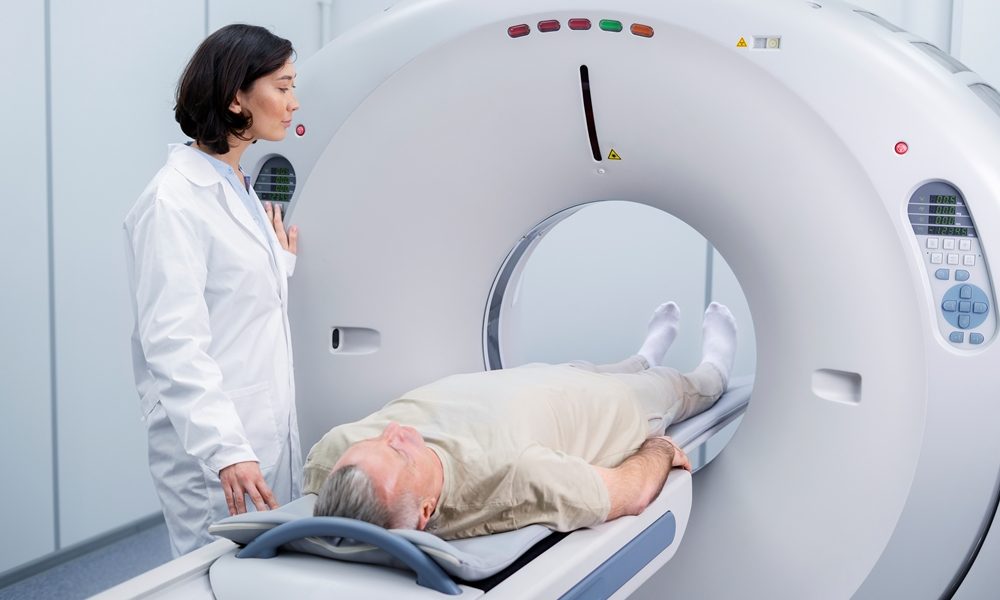
Ultra-fast MRI scans taking under seven minutes could double NHS dementia testing capacity and help boost diagnosis rates across the UK, experts have said. Scientists have developed a way to cut MRI scan times from 20–30 minutes to less than seven minutes, tackling a key bottleneck in dementia diagnosis, where one in three people never [...]
Scientists have identified a new anti-ageing drug class that acts on gut bacteria processes, offering potential new ways to extend human lifespan. The drugs target the Target of Rapamycin (TOR) pathway — a system in humans and other species that regulates growth and ageing and plays a central role in age-related diseases such as cancer [...]
Half of UK adults fear dementia more than any other health condition, with women and over-65s the most likely to share this concern, new research shows. The figures come from the latest Dementia Attitudes Monitor, a biennial survey of more than 2,000 people that tracks how the public thinks and feels about dementia. It explores [...]
Weight loss jabs such as Mounjaro and Wegovy could make some cancer scans less effective, leading to unnecessary tests and possible delays in treatment, experts suggest. The drugs, collectively known as GLP-1s, have helped millions lose up to a fifth of their body weight but may alter how tissue appears on PET-CT scans used to [...]
Scientists have developed an innovative technique to observe Alzheimer’s disease as it progresses in the brain – a breakthrough that could accelerate the development of new treatments. The new method uses light to detect and measure the build-up of amyloid plaques – sticky protein clumps that are a key characteristic of Alzheimer’s – at different [...]
Microplastics from food packaging may damage the gut and raise the risk of bowel cancer and depression, new research suggests. Austrian researchers made the discovery after examining stool tissue from healthy volunteers and found that the tiny particles could alter microbial activity in the gut, with some of the changes reflecting patterns previously linked with [...]
Focusing only on physical health isn’t enough for longevity – emotional and social well-being are equally important, new research has found. Researchers looked at more than 8,000 older adults’ optimal well-being, which they defined as having social support, positive perceptions of ageing, physical and mental health, happiness, life satisfaction and the ability to carry out [...]
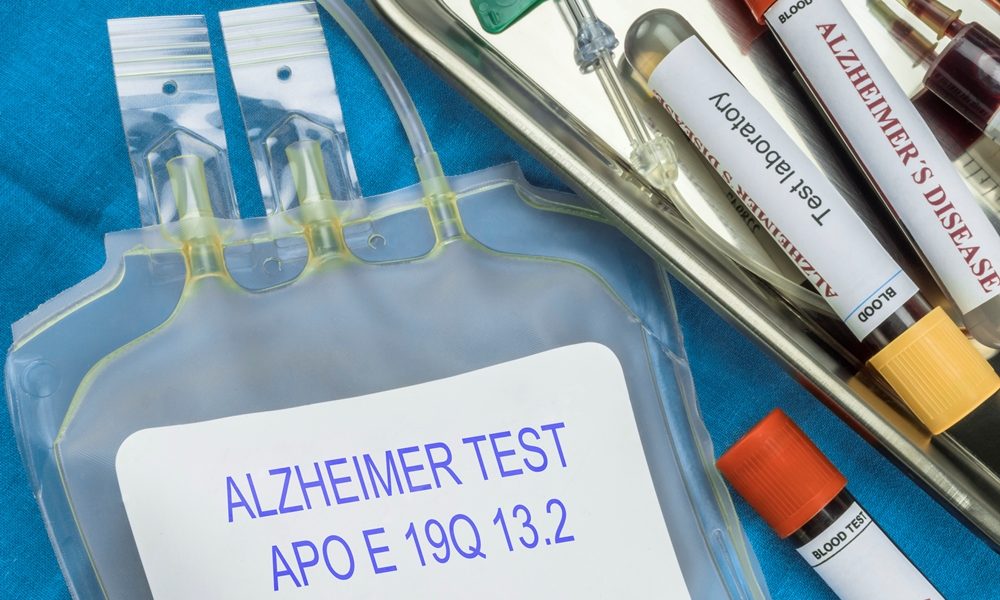
NeuroClin – formerly known as Glasgow Memory Clinic – has partnered with Advance Tests to launch Scotland’s first commercially available blood biomarker test for early Alzheimer’s detection. Designed for people with mild cognitive impairment (MCI) – subtle problems with memory and thinking – the LucentAD Complete test helps determine whether these symptoms are likely due [...]