Latest News

Anaemia in later life is linked to Alzheimer’s-related blood changes and a higher dementia risk, a study suggests. Anaemia is a condition marked by low haemoglobin, the protein in red blood cells that carries oxygen around the body. The findings suggest anaemia may not only be a risk factor for dementia, but could also interact [...]
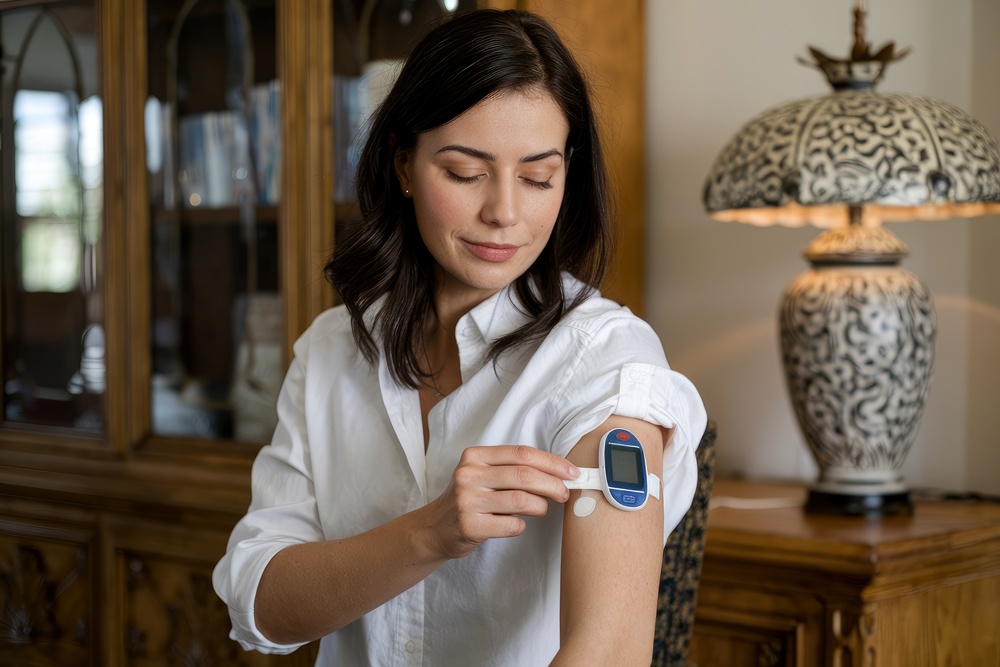
Glucose monitoring improves blood sugar control in adults with type 2 diabetes treated with basal insulin, a major clinical trial has found. Researchers carried out the FreeDM2 trial, which compared the effectiveness of real-time continuous glucose monitoring, known as CGM, with traditional finger-prick blood glucose monitoring in adults with type 2 diabetes. The findings of [...]
UK cancer diagnoses have hit a record high, with one person diagnosed every 80 seconds as a growing and ageing population drives cases higher. Cancer Research UK found more than 403,000 people are diagnosed with the disease each year. People are more likely to develop cancer as they get older. Michelle Mitchell, the charity’s chief [...]
UK healthy life expectancy has fallen over the past decade, leaving Britain behind most comparable rich countries, a study suggests. Healthy life expectancy is the amount of time someone spends free of illness or disability. The sharp decline in Britain’s healthy life expectancy contrasts with the recent rise seen in most other rich countries. The [...]
Ageing biomarkers may aid Alzheimer's diagnosis, with research suggesting they could help distinguish the condition from other brain disorders. Research led by Dr Bryan Ng, Prof Nick Fox and Prof Henrik Zetterberg at the UK DRI at UCL showed that biomarkers linked to ageing are altered in people with Alzheimer's. Alzheimer's is marked by a [...]
Yoga may support cardiometabolic health in adults with overweight or obesity, according to a new study. The study examined 30 yoga studies involving 2,689 participants to assess cardiometabolic health, meaning measures linked to heart health and metabolism such as blood pressure, cholesterol and blood sugar. Researchers found that people who practised yoga had lower blood [...]
A nasal spray can slow brain ageing, cut brain inflammation and restore memory in two doses, with effects lasting months, according to a new study. Researchers from Texas A&M University in the US said the spray could reshape future therapies for conditions such as Alzheimer's disease, and may even change what is known about brain [...]
Article produced in association with Spital Clinic Few health worries are as common in midlife as the question of whether the brain fog that arrives with menopause is a sign of something more serious. Forgotten names, lost words, scattered concentration - and all of it in a decade of life when Alzheimer's disease begins its [...]
Article produced in association with Jeen Health On 24 January 2026, NHS England launched the NHS National Inherited Cancer Predisposition Register - a programme that will eventually cover around 120 cancer susceptibility genes. For adults over 50, this matters more than it first appears. Cancer risk accelerates with age. Diagnoses in later life - breast, [...]
Severe childhood malaria is linked to cognitive harm into adolescence, according to a new study. The findings suggest children who survive cerebral malaria and severe malarial anaemia can experience cognitive and academic impairment that persists later in life. The link points to a need for better prevention strategies and more effective therapies to limit lasting [...]