Latest News

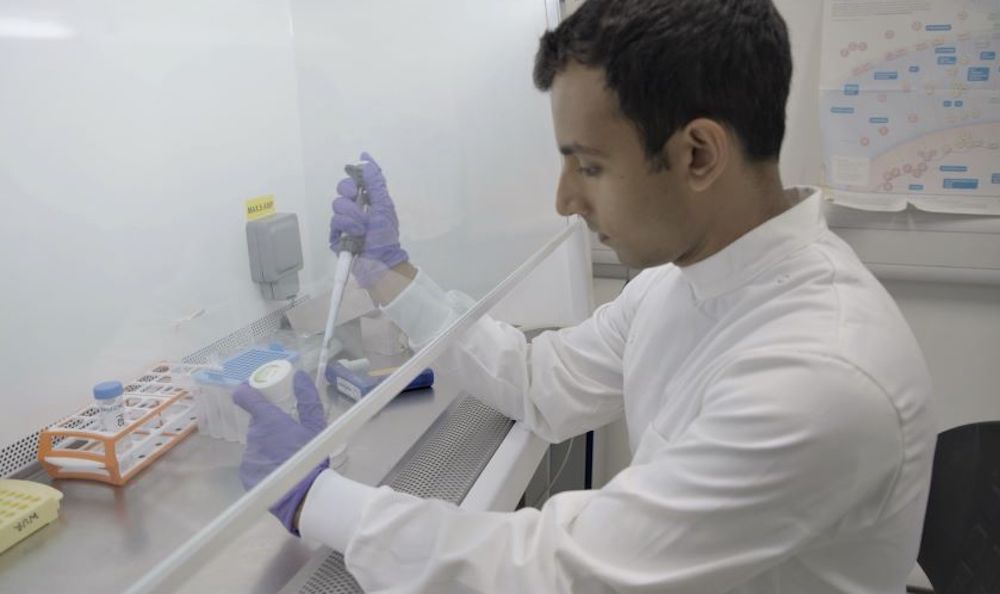
Babraham Institute has developed a method to 'time jump' human skin cells by 30 years, turning back the ageing clock for cells without losing their specialised function. Researchers at the institute's epigenetics research programme have been able to partly restore the function of older cells, as well as rejuvenating the molecular measures of biological age. [...]
Painkiller ketamine eases uncontrolled body movements in people with Parkinson’s disease, new research has revealed. The Phase 2 trial evaluated how well a low dose of the drug that does not induce anaesthesia works to reduce levodopa-induced dyskinesia in 30 adults with the condition. Patients treated with an intravenous ketamine infusion had a reduction in [...]
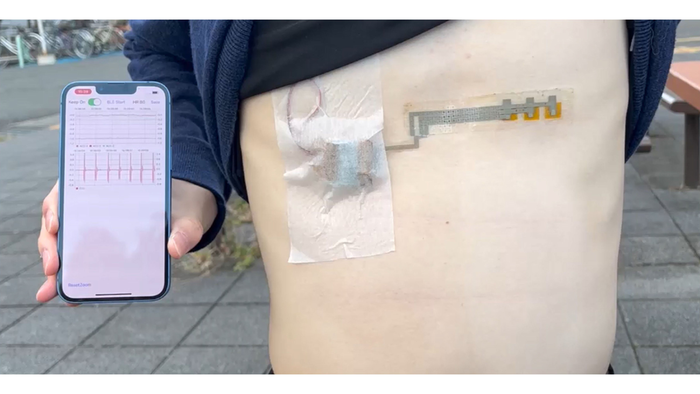
Researchers in Japan are drawing on the principles of centuries-old paper folding technique kirigami to develop a wearable ECG sensor that fits the contours of the body. The technique, which also involves cutting, allows relatively stiff materials, like polyethylene terephthalate (PET), to adapt to their surfaces. A small sensor made by a team at Osaka [...]
A leading dementia charity is seeking volunteers to take part in a study to explore the role of music as therapy. Alzheimer’s Research UK is looking to recruit 1000 volunteers to help investigate whether personalised music listening could improve symptoms and behaviour. The research could lead to personalised music being integrated into standard dementia care. [...]
Widely-used heart imaging techniques could help reveal hidden damage from a common but often overlooked kind of heart attack, new research suggests. There are currently no guidelines for doctors on how best to treat a patient after they are diagnosed with a type 2 heart attack. This means that few patients undergo further testing or [...]
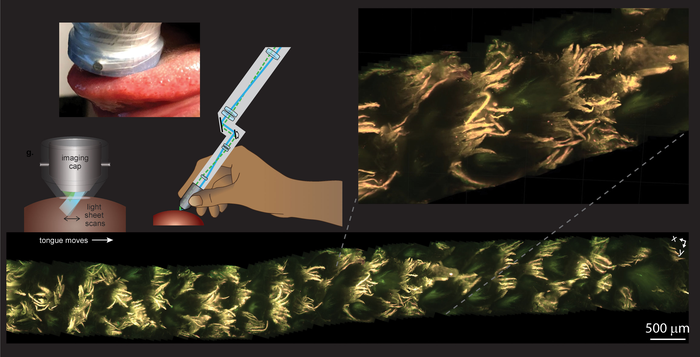
A 3D microscope that can produce detailed images of tumours could usher in the end of painful biopsies for some types of cancer. The microscope may also help surgeons be more precise when deciding which bits of tissue to remove so there would be less need to conduct subsequent operations. The device has been shown [...]
An NHS health programme has saved thousands of people in England from developing type 2 diabetes, new research has revealed. Researchers at the University of Manchester found that the NHS Diabetes Prevention Programme resulted in 18,000 fewer people being diagnosed with the condition between 2018 and 2019. The nine-month programme involves group weight-loss classes and [...]
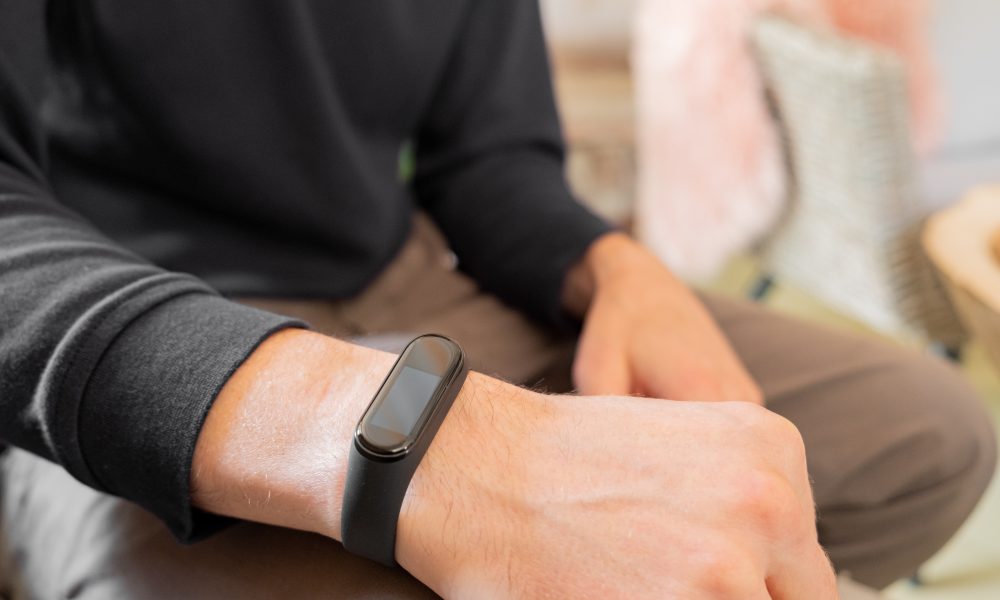
Google has submitted data to the FDA for a new Fitbit feature that would passively monitor users for atrial fibrillation (AF). AF is the most common type of heart rhythm disorder and is a factor in up to one in seven strokes in the US. Currently, users have to actively check for irregular heart rhythms. [...]
Having high cholesterol and blood sugar in your mid-30s may increase your risk of developing Alzheimer’s disease (AD) later in life, according to a new study. The research found that lower HDL (high-density cholesterol) and high triglyceride levels measured in blood at age 35 are associated with higher incidence of Alzheimer’s decades later. The researchers [...]
A smart bra featuring ultrasound technology can detect early signs of breast cancer. The prototype contains small ultrasound sensors that scans the breasts to reveal indications of tumours. The bra is synched to a mobile app, which then transmits results to a doctor. Nigerian developers Nextwear Technology hope the device could be used to improve [...]