Latest News

New research from NUI Galway and Boston University has identified a blood biomarker that could help identify people with the earliest signs of dementia, even before the onset of symptoms. The study was published on April 26 in the 'Journal of Alzheimer's Disease'. Researchers measured blood levels of P-tau181, a marker of neurodegeneration, in 52 [...]
Our sister site Health Tech World recently held a video debate, with experts addressing the issue of ageing. The World Health Organization (WHO) estimates that by 2030, one in 6 people in the world will be aged 60 or above. The ageing population will have a huge impact on humanity and global healthcare systems. This [...]
More elderly people and those with health needs in Suffolk, UK, may be able to delay accessing additional care or moving to supported accommodation, thanks to an increased uptake of digital care technology. Suffolk County Council, in partnership with Alcove and Rethink Partners, has achieved a landmark number of referrals for its care service. It [...]
A new study from the from the University of Missouri School of Medicine and MU Health Care shows patients hospitalised with Covid-19 pneumonia have a higher risk of developing dementia than those with other types of pneumonia. A team of MU researchers pulled Cerner Real World Data from 1.4 billion medical encounters prior to July [...]
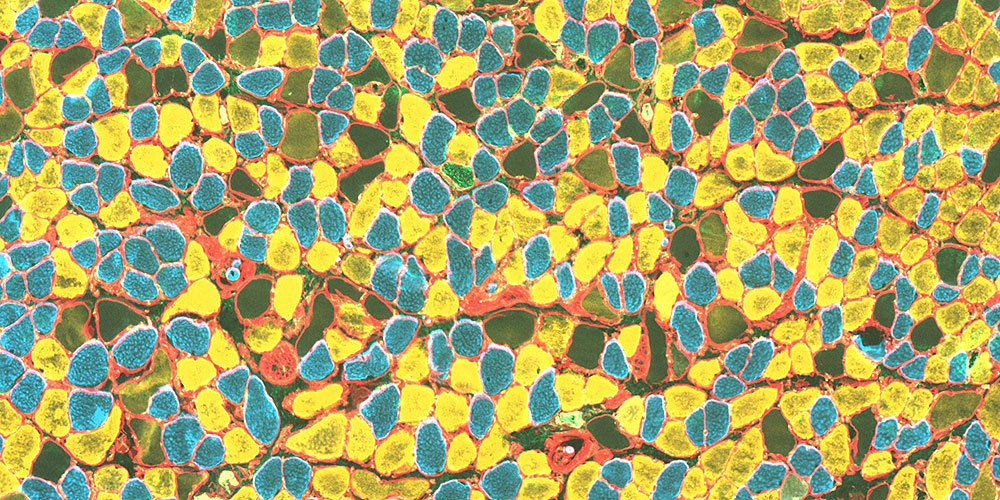
Everyone wants to stay fit and healthy as they grow old. But as people age, their body degrades, muscles shrink and strength declines. Some older people suffer from excessive muscle loss, a condition known as sarcopenia. But University of Basel researchers have now shown that a combination therapy could delay its onset. “Age-related muscle decline already [...]
A new study of the genetic data of more than 400,000 UK adults has revealed a clear link between walking pace and a genetic marker of biological age. Confirming a causal link between walking pace and leucocyte telomere length (LTL) – an indicator of biological age – the Leicester-based team of researchers estimate that a [...]
Scientists have known for years that amyloid fibrils - fibrous, rope-like structures formed by closely linked protein molecules - are present in the brains of patients with Alzheimer’s and Parkinson’s diseases and likely play a role in the progression of these disorders. Now, UCLA biochemists have discovered such fibrils in the brains of people with [...]
In addition to memory problems and other cognitive symptoms, most people with Alzheimer’s disease also suffer from mental health issues. It has long been unclear whether these occur because of tissue changes in the brain, or whether they represent psychological reactions to cognitive symptoms. A study from Lund University in Sweden has provided new insight, [...]
People are living longer and with less risk of having a heart attack, stroke or dying from coronary heart disease than those in the 1960s and 1970s. That's according to new analysis of the historic Framingham Heart Study that underscores the power of prevention, screening and treatment efforts. Scientists have known for decades about the risks posed [...]
Non-invasive sound technology developed at the University of Michigan breaks down liver tumours in rats, kills cancer cells and spurs the immune system to prevent further spread - an advance that could lead to improved cancer outcomes in humans. By destroying only 50 to 75 percent of liver tumour volume, the rats’ immune systems were [...]