Latest News

An EEG test can identify dementia risk five to seven years before progression to mild cognitive impairment or Alzheimer’s dementia, new research suggests. Using EEG data, which measures the brain’s electrical activity, from older adults with only subjective memory concerns, the longitudinal study found this non-invasive test can flag functional changes long before standard tools [...]
Harbor Health has acquired dementia care startup Rippl; terms were not disclosed. Founded in 2021, Rippl provides specialised dementia care and support, including personalised care plans, medication assessments and 24/7 access to care navigators and licensed clinicians. The Seattle-based company aims to help seniors with dementia stay at home and reduce emergency department visits. It [...]
The Scottish Medicines Consortium has declined to recommend the Alzheimer's therapy donanemab (Kisunla, Eli Lilly) for early-stage disease in NHS Scotland. The decision affects patients with mild cognitive impairment and mild dementia caused by Alzheimer's disease who are apolipoprotein E epsilon 4 heterozygotes or non-carriers, a genetic marker. The consortium cited uncertainty over clinical relevance [...]
People who drink two to three cups of coffee or tea daily have a lower dementia risk, new research suggests. Health records for more than 130,000 people showed that over 40 years, those who routinely drank two to three cups of caffeinated coffee or one to two cups of caffeinated tea daily had a 15 [...]
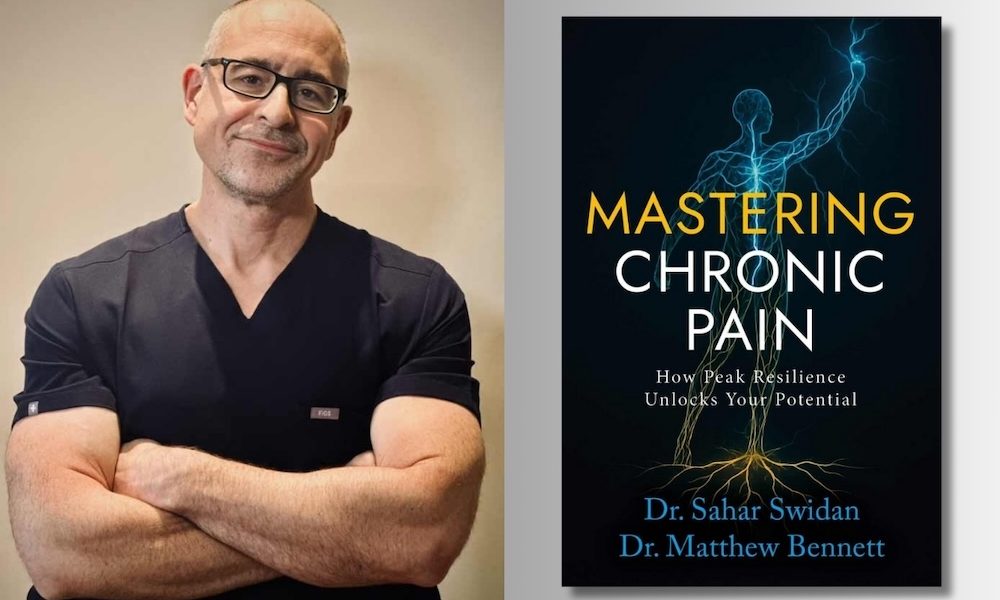
Harnessing the multi-dimensional capabilities of the human body is key to overcoming chronic pain and boosting longevity, say the authors of a new book. While the primary focus of established health care systems is to target pain points through medication or surgery a more holistic approach is emerging, as US chronic pain doctor Matthew Bennett [...]
Longevity startup Biopeak has secured US$2.7m in a follow-on funding round. Founded in 2025 by Rishi Pardal and Shiva Subramanian, Biopeak operates India’s first specialised brand aimed at extending lifespans through preventive care. The company opened a clinic in Bengaluru last year and plans to open a second one in the coming month. The funds [...]
People are twice as likely to inherit their lifespan as previously thought, new research suggests. The genetic contribution to how long a person lives is around 50 per cent, based on health databases in Denmark and Sweden. This reflects heritability, the share of lifespan differences due to genes. For decades, many scientists believed genes and [...]
Biotechnology company Aerska has raised US$39m in Series A funding to develop brain-delivered RNA medicines. The company is developing treatments for neurological diseases, including genetically driven forms of Alzheimer's disease. This takes Aerska's total funding to US$60m, months after its seed funding announcement in October 2025. The company's platform uses what it calls "brain shuttle" [...]
Novo Nordisk will launch an Ozempic pill for diabetes in select doses in the second quarter of this year. The Danish drugmaker said the US Food and Drug Administration has approved Ozempic tablets in 1.5 milligram, 4 milligram and 9 milligram doses. The new Ozempic branding is intended to help patients and healthcare professionals more [...]
Limiting the PTP1B enzyme could slow memory loss in Alzheimer's, pointing to a potential treatment route, new research suggests. The enzyme appears to contribute to memory decline in mice by altering how the brain's immune cells behave, researchers say. Dialling down PTP1B let microglia clear the protein clumps linked to Alzheimer's, known as amyloid-beta plaques. [...]