Insights
Research roundup: Weekly injection could be life changing for Parkinson’s patients, and more


Agetech World explores the latest developments in the world of age technology and longevity – from the effects of long-term obesity and biological ageing in young adults to understanding how math can help unlock the body’s hidden blueprint for staying healthy.
Weekly injection could be life changing for Parkinson’s patients
Scientists have developed a long-acting injectable formulation that delivers a steady dose of levodopa and carbidopa – two key medications for Parkinson’s – over an entire week.
This new weekly injectable drug could transform the lives of more than eight million people living with Parkinson’s disease, potentially replacing the need for multiple daily tablets.
The biodegradable formulation is injected under the skin or into muscle tissue, where it gradually releases the medication over seven days.
Lead researcher Professor Sanjay Garg, from UniSA’s Centre for Pharmaceutical Innovation, says the newly developed injectable could significantly improve treatment outcomes and patient adherence.
UniSA PhD student Deepa Nakmode says that, as the in-situ implant is designed to release both levodopa and carbidopa steadily over one week, it helps with maintaining consistent plasma levels and reducing the risks associated with fluctuating drug concentrations.
The injectable gel combines an FDA-approved biodegradable polymer PLGA with Eudragit L-100, a pH-sensitive polymer, to achieve a controlled and sustained drug release.
Study results show that more than 90 per cent of the levodopa dose and more than 81 per cent of the carbidopa dose was released over seven days, and that the implant degraded by over 80 per cent within a week and showed no significant toxicity in cell viability tests.
Garg says the technology could also be adapted for other chronic conditions such as cancer, diabetes, neurodegenerative disorders, pain management, and chronic infections that require long-term drug delivery.
The system can be tuned to release drugs over a period ranging from a few days to several weeks depending on therapeutic needs. The researchers hope to start clinical trials in the near future and are exploring commercialisation opportunities.
Long-term obesity and biological ageing in young adults
In a new, multiple-events case-control study, long-term obesity was found to be associated with the expression of biochemical ageing markers in adults ages 28 to 31, consistent with epigenetic alterations, telomere attrition, chronic inflammation, impaired nutrient sensing, mitochondrial stress, and compromised intercellular communication.
The study looked at 205 participants from a Chilean prospective cohort, and found that long-term obesity was associated with the expression of molecular ageing signatures during young adulthood in females and males, including epigenetic modifications and telomere shortening.
Exposure to long-term obesity was associated with epigenetic age exceeding chronological age by a mean of 15 per cent to 16 per cent, and in some cases, this difference reached 48 per cent.
The authors say that in young adults, chronic health issues may emerge from accelerated biological ageing associated with long-term obesity.
Choline found to be a key player in preserving youthful stem cell traits
Researchers have created the first integrated map detailing the metabolic and molecular changes in human blood stem cells as they age, specialise, or turn cancerous.
The research has identified the nutrient choline as a key player in preserving youthful stem cell traits, and offers insights into stem cell health and disease, suggesting promising directions for nutritional and therapeutic interventions to maintain a healthy blood system.
Choline was found to be high in healthy stem cells but decreased with differentiation, ageing, and leukemia. Supplementing choline in lab experiments helped to restore youthful traits – pointing to new nutritional strategies for stem cell support.
Shifts in lipid composition suggest that ageing and specialised stem cells may alter how they sense and respond to their environment, opening new avenues for exploring how metabolism shapes membrane function, cell communication, and stem cell fate.
Hematopoietic stem cells (HSCs) are rare cells tucked away in the bone marrow. They hold the unique capability to produce every type of blood cell, from oxygen-carrying red blood cells to infection-fighting immune cells. HSCs are essential for keeping us healthy.
However, as we age or in conditions like leukemia, their remarkable regenerative powers can decline or become disrupted, leaving our blood and immune systems vulnerable to attacks, especially under stress conditions.
“Our lab experiments revealed that choline supplementation boosted lipid production and helped preserve a more youthful, stem-like identity, suggesting that specific nutrients may be key to maintaining stem cell function,” said co-first author Mari Carmen Romero-Mulero.
The study clearly demonstrates that human blood stem cells undergo fundamental metabolic changes as they specialise, age, or become diseased. These shifts can reshape both their identity and behavior.
The data from the Cabezas-Wallscheid lab provide a comprehensive resource for further research into this field. By charting how metabolism guides the fate of human blood stem cells, this study lays the groundwork for future therapies aimed at maintaining stem cell function, helping to keep our blood system healthier for longer.
Lonely adults may have a higher risk of diabetes
Socially isolated older adults are at increased risk of developing diabetes and high blood sugar, according to a new study.
The researchers highlight that social isolation and loneliness have been increasingly recognised as important health risk factors after the COVID-19 pandemic, noting that the study’s findings underscore the importance for clinicians to recognise social isolation as a critical social determinant of health when caring for older patients.
While a few previous studies have explored the connection between social isolation and diabetes, this study is among the first to examine its link to poor glycemic control using a nationally representative sample – data that reflects the broader U.S. population. This makes the findings applicable on a national scale.
The findings showed that socially isolated older adults were 34 per cent more likely to have diabetes and 75 per cent more likely to have poor blood sugar control than those who were not isolated.
This suggests that social isolation may be an important but often overlooked risk factor for diabetes and poor blood sugar management in older adults.
How math can help unlock the body’s hidden blueprint for staying healthy
In a new study, researchers have shown that just five basic rules may explain how the body maintains its complex structures of tissues – such as those in the colon, for example – even as its cells are constantly dying and being replaced.
This research is the product of more than 15 years of collaboration between mathematicians and cancer biologists to unlock the rules that govern tissue structure and cellular behaviour.
“This may be the biological version of a blueprint,” said Bruce Boman, senior research scientist at ChristianaCare’s Cawley Center for Translational Cancer Research and faculty member in the departments of Biological Sciences and Mathematical Sciences at the University of Delaware.
“Just like we have a genetic code that explains how our genes work, we may also have a ‘tissue code’ that explains how our bodies stay so precisely organised over time.”
The researchers used mathematical modeling to see if a small number of rules could account for the highly organised structure of the lining of the colon. That’s an ideal place to study: cells in the colon renew every few days, but the overall shape and structure stays remarkably stable.
After running many simulations and refining their models, the team identified five core biological rules that appear to govern the structure and behaviour of cells:
These included: the timing of cell division; the order in which cells divide; the direction cells divide and move; how many times cells divide; how long a cell lives before it dies.
“These rules work together like choreography,” said Gilberto Schleiniger, professor in the University of Delaware’s Department of Mathematical Sciences.
“They control where cells go, when they divide and how long they stick around, and that’s what keeps tissues looking and working the way they should.”
The researchers believe these rules may apply not just to the colon, but to many different tissues throughout the body such as the skin, liver, and brain.
If true, this “tissue code” could help scientists better understand how tissues heal after injury, how birth defects happen and how diseases like cancer develop when that code gets disrupted.
This work also has important implications for the Human Cell Atlas, a global scientific collaboration working to map every cell type in the human body.
While the Atlas aims to catalogue what each cell is and what it’s doing at a given moment, this new research offers a dynamic framework for understanding how those cells stay organised over time.
By identifying simple, universal rules that govern cell behaviour and tissue structure, the findings could help guide future efforts to not only describe cells, but predict how they behave in health and disease.

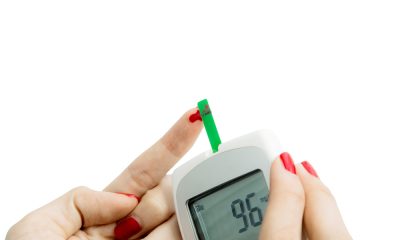





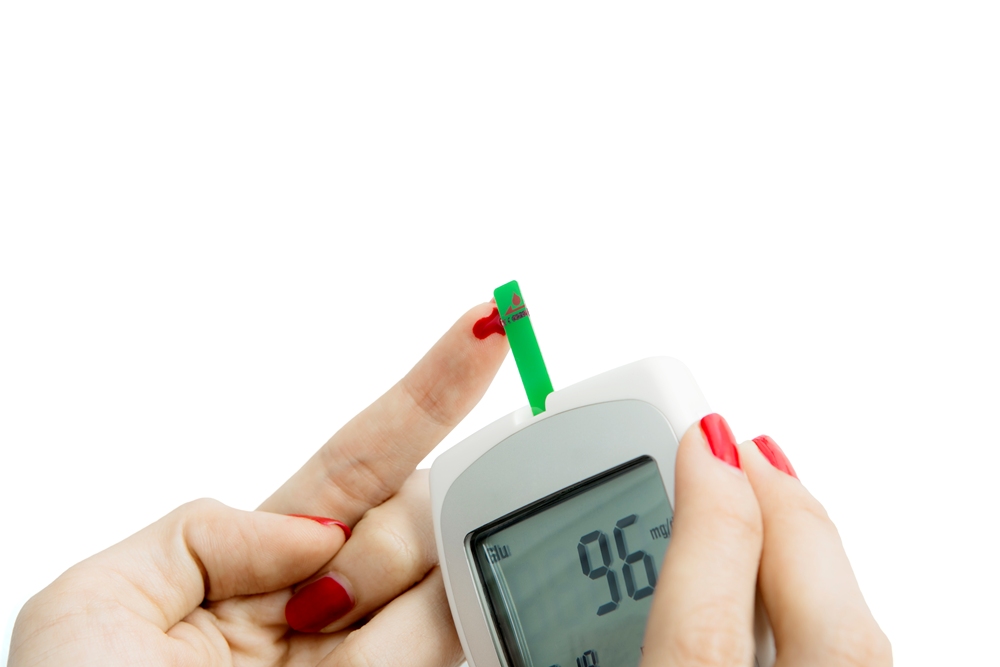
Sharp rises in blood sugar after meals may raise Alzheimer’s risk, according to genetic analysis of more than 350,000 adults.
The findings point to after-meal glucose, rather than overall blood sugar, as a possible factor in long-term brain health.
Researchers examined genetic and health data from over 350,000 UK Biobank participants aged 40 to 69, focusing on fasting glucose, insulin, and blood sugar measured two hours after eating.
The team used Mendelian randomisation, a genetic method that helps test whether biological traits may play a direct role in disease risk.
People with higher after-meal glucose had a 69 per cent higher risk of Alzheimer’s disease.
This pattern, known as postprandial hyperglycaemia (elevated blood sugar after eating), stood out as a key factor.
The increased risk was not explained by overall brain shrinkage (atrophy) or white matter damage, suggesting after-meal glucose may affect the brain through other pathways not yet fully understood.
Dr Andrew Mason, lead author, said: “This finding could help shape future prevention strategies, highlighting the importance of managing blood sugar not just overall, but specifically after meals.”
Dr Vicky Garfield, senior author, added: “We first need to replicate these results in other populations and ancestries to confirm the link and better understand the underlying biology.
“If validated, the study could pave the way for new approaches to reduce dementia risk in people with diabetes.”

A recent international study that pooled brain scans and memory tests from thousands of adults has shed new light on how structural brain changes are tied to memory decline as people age.
The findings show that the connection between shrinking brain tissue and declining memory is nonlinear, stronger in older adults, and not solely driven by known Alzheimer’s-associated genes like APOE ε4.
This suggests that brain ageing is more complex than previously thought, and that memory vulnerability reflects broad structural changes across multiple regions, not just isolated pathology.
Alvaro Pascual-Leone, MD, PhD is senior scientist at the Hinda and Arthur Marcus Institute for Aging Research and medical director at the Deanna and Sidney Wolk Center for Memory Health.
The researcher said: “By integrating data across dozens of research cohorts, we now have the most detailed picture yet of how structural changes in the brain unfold with age and how they relate to memory.”
The study found that structural brain change associated with memory decline is widespread, rather than confined to a single region.
While the hippocampus showed the strongest association between volume loss and declining memory performance, many other cortical and subcortical regions also demonstrated significant relationships.
This suggests that cognitive decline in ageing reflects a distributed macrostructural brain vulnerability, rather than deterioration in a few specific brain regions.
The pattern across regions formed a gradient, with the hippocampus at the high end and progressively smaller but still meaningful effects across large portions of the brain.
Importantly, the relationship between regional brain atrophy and memory decline was not only variable across individuals but also highly nonlinear.
Individuals with above-average rates of structural loss experienced disproportionately greater declines in memory, suggesting that once brain shrinkage reaches higher levels, cognitive consequences accelerate rather than progress evenly.
This nonlinear pattern was consistent across multiple brain regions, reinforcing the conclusion that memory decline in cognitively healthy ageing is linked to global and network-level structural changes, with the hippocampus playing a particularly sensitive role but not acting alone.
Pascual-Leone said: “Cognitive decline and memory loss are not simply the consequence of ageing, but manifestations of individual predispositions and age-related processes enabling neurodegenerative processes and diseases.
“These results suggest that memory decline in ageing is not just about one region or one gene — it reflects a broad biological vulnerability in brain structure that accumulates over decades.
“Understanding this can help researchers identify individuals at risk early, and develop more precise and personalized interventions that support cognitive health across the lifespan and prevent cognitive disability.”


While a healthy lifestyle with regular exercise can improve longevity, the key to ageing well is determined by the brain, says a new paper.
Published earlier this month and entitled: ’The Brain Is the Rate-Limiting Organ of Longevity’ it contends that ‘Longevity is not limited by how long the body survives, but by how long the brain can sustain coherent function’.
It says the traditional emphasis on peripheral organ systems, metabolic optimisation, and molecular aging pathways are misplaced.
Authored by Shaheen Lakhan, MD, PhD, founding executive director, at the Miami-based Global Neuroscience Initiative Foundation, he says: “Peripheral organs may determine the final cause of death, but the brain determines the duration and quality of life that precedes it.
“Any longevity strategy that does not explicitly preserve and restore brain function will ultimately fail, regardless of how effectively it slows peripheral aging.
“Recognising the brain as the rate-limiting organ of longevity is therefore not a conceptual preference, but a biological imperative.”
The three ageing benchmarks
Exploring a similar theme, recent Chinese research has identified three ages where substantial brain changes occur.
The first significant change comes at 57, then 70, and then 78, with the researchers identifying biomarkers which indicate these cognitive slumps.
The first change at 57 is due to a reduction in brain volume brought about by a decline in ‘white matter’ – the network of nerve fibres which allows the different brain regions to communicate effectively, they say.
The research measured levels in the brain of 13 proteins that are associated with accelerated brain ageing and neurodegenerative diseases and went on to say that poor lifestyle choices are a key driver of premature decline.
It went to identify exercise as being neuro-protective, by increasing the size of the hippocampus and thereby improving memory.
Alzheimer’s enabler Identified
Researchers at the University of New Mexico have discovered that the enzyme Otulin, known for regulating the immune system, also drives the formation of tau – a protein linked to Alzheimer’s and other neurodegenerative diseases.
In their study, the team demonstrated that deactivating Otulin – either by administering a custom-designed small molecule or knocking out the gene responsible for it – effectively halted tau production and removed the protein from neurons.
The experiments were conducted on two types of cells: one derived from a patient who had died from late-onset sporadic Alzheimer’s disease, and another from a human neuroblastoma cell line often used in neuroscience research.
“Pathological tau is the main player for both brain aging and neurodegenerative disease.
“If you stop tau synthesis by targeting Otulin in neurons, you can restore a healthy brain and prevent brain ageing,” said Dr Karthikeyan Tangavelou, a senior scientist in the department of molecular genetics & microbiology at the UNM School of Medicine.
US$44m for pan-Europe Alzheimer’s attack
A European initiative to accelerate the implementation of scientific innovations for Alzheimer’s disease (AD) management has been launched by the European Commission’s Innovative Health Initiative in Alzheimer’s disease (AD) management,
Over €38m has been secured by the ACCESS-AD consortium – co-led by King’s College London, Amsterdam UMC, Siemens Healthineers and Gates Ventures – for the five year project.
With AD expected to exceed 19 million people in Europe by 2050, ACCESS-AD aims to address the challenges this presents to healthcare systems by ‘accelerating innovation and strengthening equitable access to timely and effective care’.
“By combining technological innovation with economic, ethical, regulatory and patient perspectives, we aim to chart a sustainable, scalable and equitable pathway for the implementation of new AD diagnostics and therapies,” said Prof Dag Aarsland, head of the centre for healthy brain ageing at King’s college London and clinical co-lead of the project
A central focus of the project is the combination of advanced but accessible neuro-imaging with expanded use of fluid and digital biomarkers.
This will support early and accurate patient identification, enabling timely diagnosis and entry into personalised treatment pathways, targeted lifestyle interventions and nutritional strategies.
It’s never too late…
The benefits of regular exercise are highlighted in a 47 year Swedish study on a cohort first enrolled at the age of 16.
Published recently in the Journal of Cachexia, Sarcopenia and Muscle, the study was tasked with seeing how muscles and fitness changed over time in the 427 participants, now aged 63.
The authors found that our bodies start to age from 35, but that the rate of decline can be slowed down if we stay physically active.
The researchers examined the participants’ aerobic capacity, muscular endurance, muscle power and performance in strength training exercises, such as bench press and vertical jump.
The study’s main finding was that peak physical ability arrived before the age of 36, and that after 40, a decline begins, for both sexes.
The researchers found that adults who became physically active later in life improved their performance in the tests by 5 to 10%.
“It is never too late to start moving. Our study shows that physical activity can slow the decline in performance, even if it cannot completely stop it,” said the study’s lead Maria Westerståhl, of the Karolinska Institutet.

Blood sugar spike after meals may increase Alzheimer’s risk

Study reveals why memory declines with age

Agetech research round-up: brain health vital, £38m to combat Alzheimers, and more…

Interview: GlycanAge launch first hospital-based tests

Non invasive sound stimulation shows Alzheimer’s potential

FDA clears automated brain fluid device

Agetech World’s latest innovation & investment round-up

Insilico signs US$888m oncology deal with Servier

Food preservatives linked to increased diabetes and cancer risk, study finds

UK bans junk food ads before 9pm to protect child health
 News2 weeks ago
FDA clears automated brain fluid device
- News2 weeks ago
Agetech World’s latest innovation & investment round-up
- News2 weeks ago
Insilico signs US$888m oncology deal with Servier
- Markets & Industry2 weeks ago
Food preservatives linked to increased diabetes and cancer risk, study finds
- News2 weeks ago
UK bans junk food ads before 9pm to protect child health
- News7 days ago
Captioning glasses win AARP pitch at CES
- Insights2 weeks ago
Global longevity initiative launches North American chapter
- News2 weeks ago
Weaker body clock linked to increased dementia risk