



Can eating a specific food or diet lower or increase the risk of Alzheimer’s?
Food is not only responsible for giving our bodies energy, but it also plays an important part on how we feel and how we react to external and internal infections and stimuli.
Carbohydrates, for example, plays an important part in the production of serotonin – a neurotransmitter that balances mood and anxiety. Probiotics, on the other hand, change the processing of information in the gut that is strongly linked to anxiety and depression.
Many studies have shown that Alzheimer’s is not only determined by genes but that lifestyle plays an important part. Diet falls into the category of lifestyle choices that may prevent or slow down Alzheimer’s.
One diet that shows promising evidence is the Mediterranean diet, which emphasises fruits, vegetables, whole grain, legumes, fish and seafood.
High intake of antioxidants from the high intake of fruits and vegetables may help to protect against some of the damage to brain cells associated with Alzheimer’s disease, as well as increasing the levels of proteins in the brain that protect brain cells from this damage.
In the process of analysing which food groups may help Alzheimer’s prevention, researchers developed the MIND diet which uses the Mediterranean diet as a prevention of cognitive decline.
The MIND diet focuses on plant-based foods linked to dementia prevention and it encourages eating from ten healthy food groups:
- Olive oil: olive oil is packed with antioxidants which fights inflammation and they help protect your blood cholesterol from oxidation.

- Leafy green vegetable (at least six servings per week): left green vegetables are packed with vitamins, minerals and fibre while being low in calories. Eating a diet rich of leafy green vegetables reduce the risk of obesity, of high blood pressure and of heart disease.

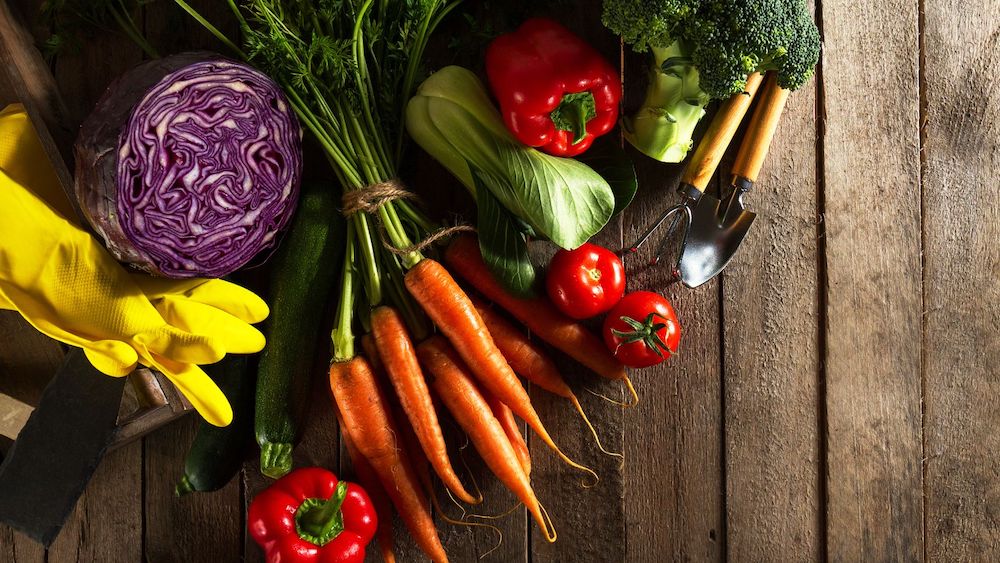
- Other vegetables (at least one serving per day): vegetables are rich in potassium, fibre, vitamin A and vitamin C. Diets rich in potassium, may help maintain healthy blood pressure.
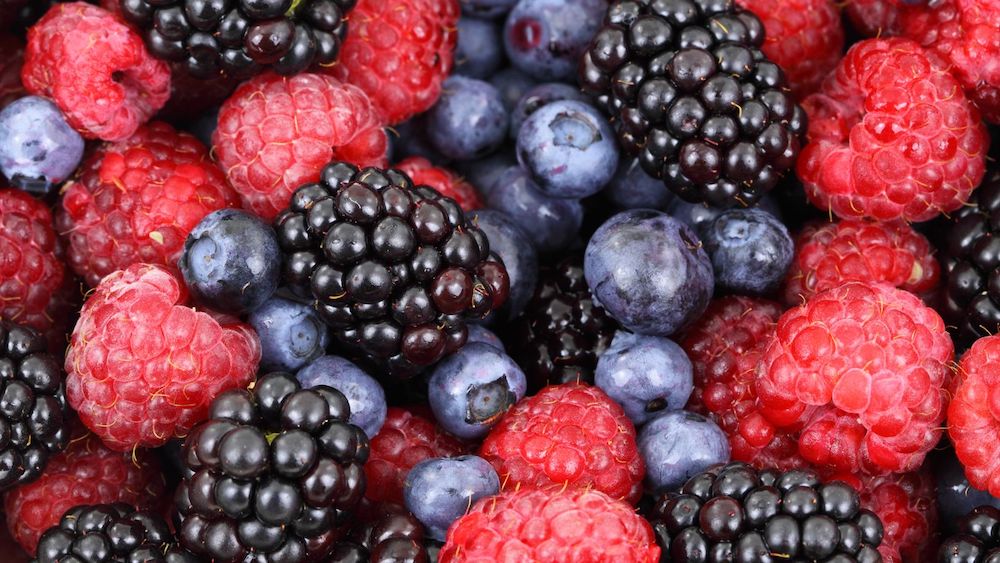
- Berries (at least two servings per week): berries are high in fibre, vitamins C and antioxidants. They are one of the healthiest foods as they lower blood pressure and cholesterol while reducing oxidative stress.
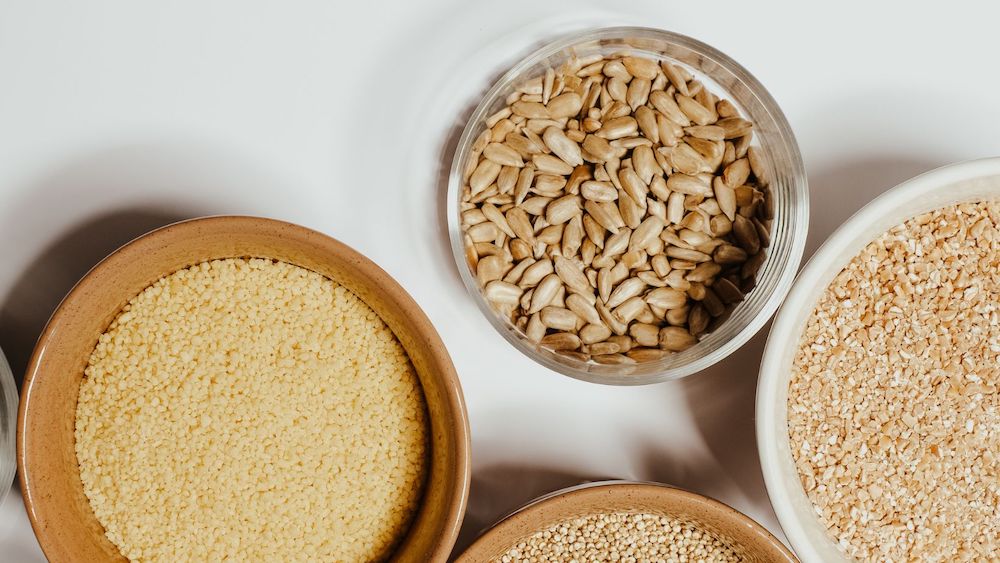
- Whole grains (at least three servings per day): whole grains are high in fibre and they help you feel full and satisfied which makes it easier to maintain a healthy body weight.
- Fish (one serving per week): fish is a source of many vitamins and minerals which can help keep your heart healthy. Among all fish, salmon and sardines are particularly high in long-chain omega-3 fatty acids.

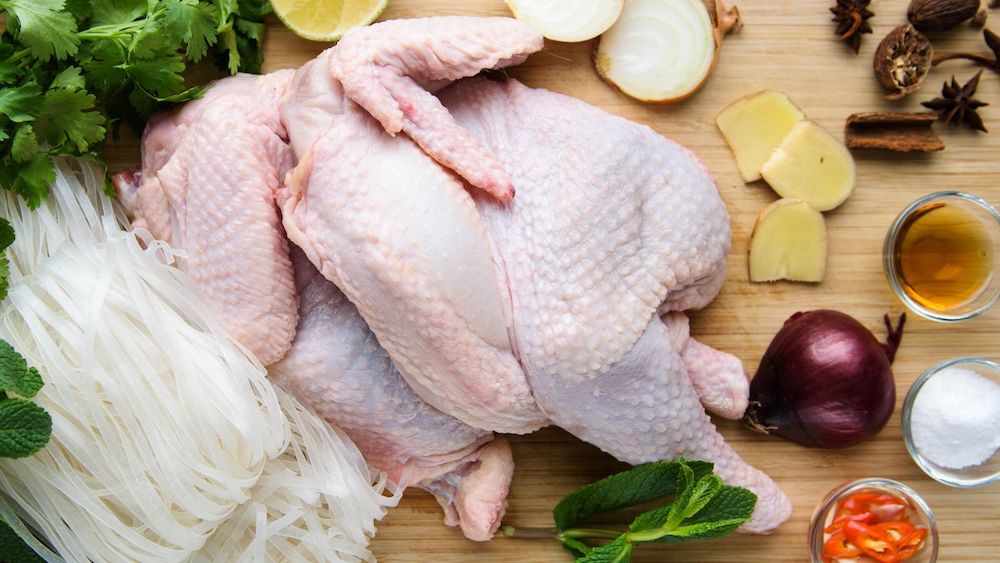
- Poultry (two servings per week): Packed with proteins, poultry is particularly healthy because full of calcium and phosphorous which help keep your bones healthy. Eating chicken regularly also cuts the risk of arthritis.
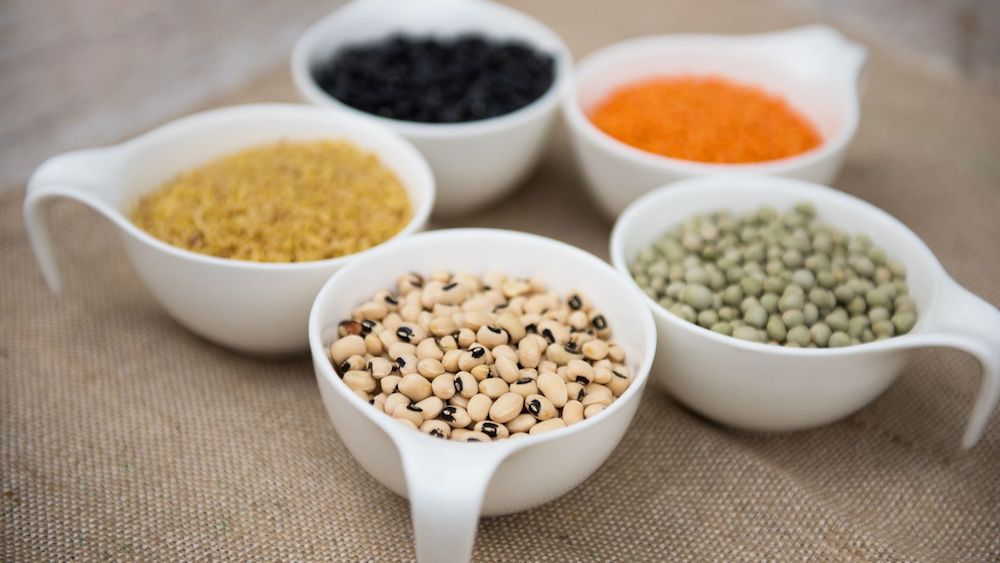
- Beans (three servings a week): beans and legumes are excellent sources of dietary fibre, protein, vitamin B and many other important vitamins and minerals. Beans can help reduce blood sugar, boost heart health and maintain a healthy gut.
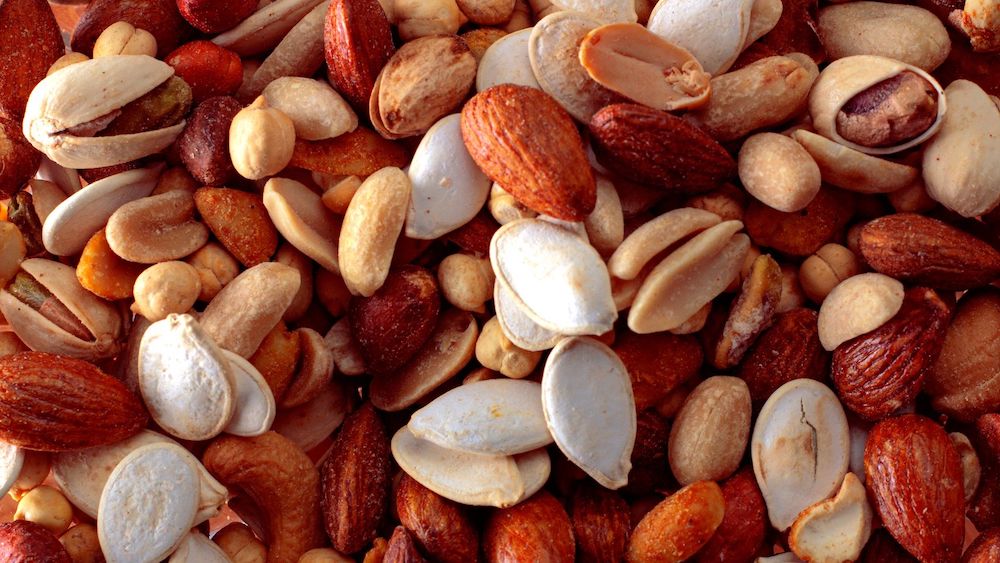
- Nuts (five servings per week): nuts are a great source of antioxidants and they’re high in beneficial fibre. Nuts are also beneficial to lower cholesterol and triglycerides and they are beneficial for type 2 diabetes and metabolic syndrome.
Eating healthy food represents one of the biggest steps into preventing Alzheimer’s disease, especially for people who are already genetically predisposed.