


What will the next steps of Alzheimer’s research be after the recent allegations?
A recent investigation by Science suggested that images from a 2006 study may have been doctored. The alleged compromised study set the stage for years’ and millions of dollars’ worth of Alzheimer’s research.
The findings were checked by multiple experts who agreed that the images contained signs of manipulation, raising questions about the credibility of current and past Alzheimer’s studies.
Dr Sara Imarisio, head of research at Alzheimer’s Research UK, said: “These allegations are concerning but they don’t cast doubt on the current direction of Alzheimer’s research. While we haven’t seen all of the published findings that have been called into question, any allegation of scientific misconduct needs to be investigated and dealt with where appropriate.
“Researchers need to be able to have confidence in the findings of their peers, so they can continue to make progress for people affected by diseases like Alzheimer’s.”


An image of amyloid protein. Credits: Wikimedia Commons
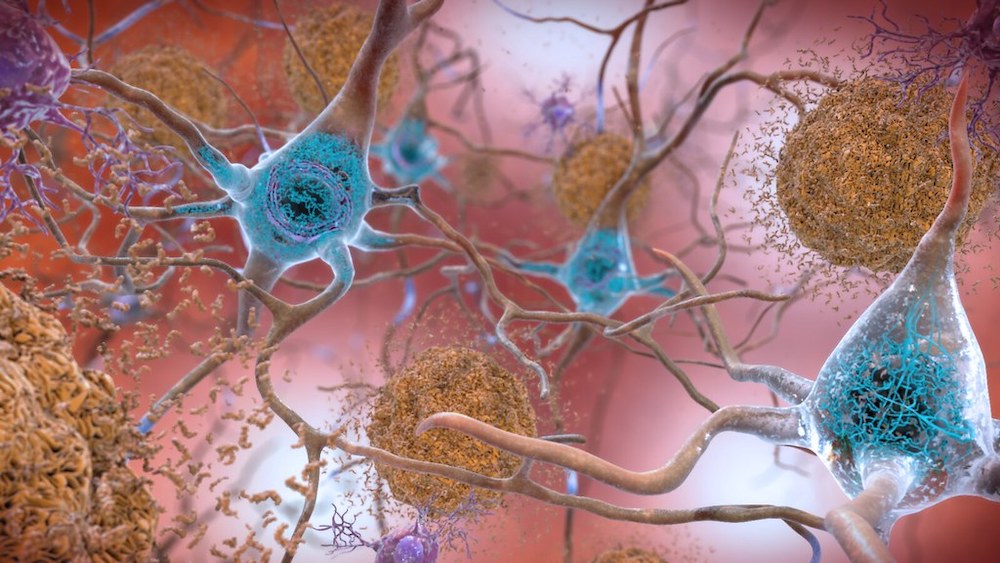
The report stated that deposits of amyloid beta (a protein) found in brain tissues were the primary cause of cognitive decline. This decline is known as the hallmark of Alzheimer’s.
Amyloid beta has been believed to be a major component of senile plaques that commonly exists in the brain of Alzheimer’s disease patients.
“The amyloid protein is at the centre of the most influential theory of how Alzheimer’s disease develops in the brain,” said Dr Imarisio. “But the research that has been called into question is focused on a very specific type of amyloid, and these allegation do not compromise the vast majority of knowledge built up during decades of research into the role of this protein in the disease.”
In the 16 years following the research, the Nature paper has been cited in about 2,300 scholarly articles – putting it in the top five Alzheimer’s-related reports published since 2006.
Important reporting from Charles Piller @cpiller putting the spotlight on research integrity in Alzheimer’s research. https://t.co/8a6bwxyahF
— Matthew Schrag (@schrag_matthew) July 21, 2022
Science reported that there are doubts if the amyloid protein even exists but Dr Matthew Schrag, researchers at the Vanderbilt University Medical Centre, said that the doubts about the amyloid protein’s role in causing Alzheimer’s shouldn’t call the broader hypothesis into question.
“There are legitimate questions and criticisms of the amyloid hypothesis, but such questions are a perfectly normal and necessary part of science,” said Dr Imarisio. “And the amyloid hypothesis is not the only show in tow, as seen by the scores of Alzheimer’s drugs in development that target other pathways and processes.
“Despite these allegations, we should not allow the work of thousands of Alzheimer’s researchers to be undermined – their painstaking efforts are bringing us closer to vital new treatments for the millions of people living with the disease.”