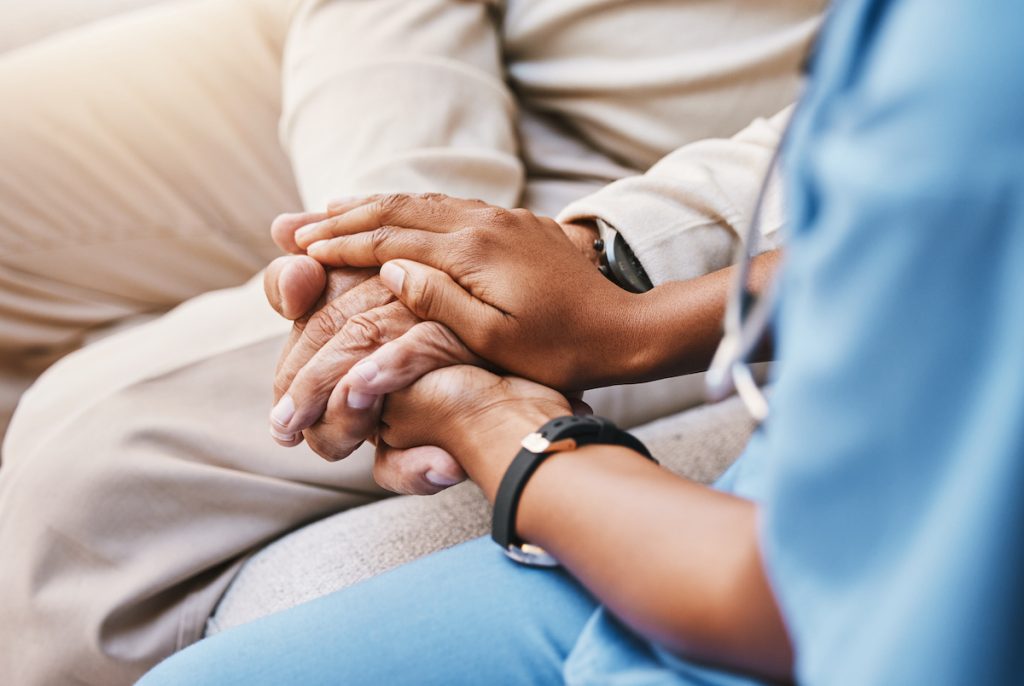
A new poll shows three years after the pandemic, one in three older adults still experience loneliness, isolation and lack of social contact.
One in three people between the ages of 50 and 80 say they sometimes or often experienced these feelings, or sometimes go a week or longer without social contact with someone from outside their home. This number is down from about half of older adults reported at the height of the pandemic in June 2020.
The percentages of people who currently feel lonely, isolated or lacking contact were much higher among older adults who say their physical or mental health is fair or poor, as well as those with a health problem or disability that limits their daily activities, and those who are not working or unemployed.
Around half or more of the older adults in each of these groups currently experience these feelings, around twice as many as their peers who are in better health or don’t have a disability or activity-limiting health issue.
The new findings from the University of Michigan National Poll on Healthy Aging, gathered in January 2023, add to previous data from polls taken in 2018 and during all three pandemic years using the same questions.
According to the data, for older adults overall, these measures are nearly back to pre-pandemic levels, which were already high.
“Three years into the Covid-19 pandemic, we see reason for hope, but also a real cause for concern,” says Dr Preeti Malani, the poll’s senior advisor and former director, and a U-M Medical School infectious disease professor who is also trained in geriatrics.
“If anything, the pandemic has shown us just how important social interaction is for overall mental and physical health, and how much more attention we need to pay to this from a clinical, policy and personal perspective.”
Thirty four per cent of older adults reported feeling isolated from others, down from 56 per cent in June 2020 but still higher than the 27 per cent who said the same in 2018.
Thirty three per cent say they infrequently (once a week or less) have social contact with family they don’t live with, or friends or neighbours, down from 46 per cent in 2020 but higher than the 28 per cent seen in 2018.
Poll director Dr Jeffrey Kullgren, an associate professor of internal medicine at Michigan Medicine and physician and researcher at the VA Ann Arbor Healthcare System, said: “Loneliness and isolation were too high before the pandemic, and it will take a concerted effort to bring these rates down further.
“While we must always balance risk of infection with risk of isolation in older adults, we now know that a combination of vaccination, medication, testing, ventilation and masking can protect even the most vulnerable and allow them to engage socially.”
The poll team notes that chronic loneliness has been shown by researchers to be associated with adverse impacts on mental, cognitive and physical health, general well-being, and even longevity.
Claire Casey, president of AARP Foundation, adds: “Despite the modest improvement these results show, social isolation and loneliness are still an urgent concern for older adults.
“Research shows that social isolation affects health and well-being, and can lead to unemployment. Greater economic security for older adults demands that we address loneliness.”