Research

A new study has found that targeted electrical brain stimulation may improve short-term and long-term memory function in older adults. The research, conducted by Boston University, suggests that four 20-minute sessions of brain stimulation are enough to improve cognitive functions. Researchers analysed a group of 150 healthy volunteers aged between 65 and 88, finding improved [...]
A hallmark of serial age related neurodegenerative disorders, including dementia, is the intracellular accumulation of pathological tau protein in the brain. A new study carried out by researchers in Sweden, Hungary, Canada, Germany and France is using state-of-the-art volume immune-imaging technology. This is in combination with light sheet microscopy, in order to investigate a human [...]
Excessive screen time with devices with blue light have already been linked with health problems such as obesity and psychological problems, however, a new study has revealed a new problem. The study in fruit flies suggest our basic cellular functions could potentially be impacted by the blue light emitted from gadgets we use daily. Senior [...]
Individuals with dementia will often lose their ability to verbally communicate with loved ones throughout the later stages of the disease. A new study, which is a collaboration between Northwestern Medicine and the Institute for Therapy through the arts (ITA), displays how music intervention could help with communication. The intervention called “Musical Bridges to Memory” [...]
The treatment would help older people with treatment-resistant depression. The study, published by Frontier in Aging Neuroscience identified rTMS as the best treatment for depressed older generations. Repetitive Transcranial Magnetic Stimulation (rTMS) is a noninvasive procedure that uses magnetic fields to stimulate nerve cells in the brain to improve symptoms of depression. During a rTMS [...]
Social isolation can cause an individual to experience loneliness, but, it also has many other serious health problems that it is associated with. These include: Increased risk for heart disease and stroke, in addition to mental decline and in some cases, premature death. These risks are especially dangerous for older adults, who are at a [...]
A new study has found that older adults with atrial cardiopathy may be at increased risk of developing dementia. The research, published in the Journal of the American Heart Association, studied 5,078 older adults living in four US communities: Washington County in Maryland, Forsyth County in North Carolina, northwestern suburbs of Minneapolis and Jackson in [...]
A new study found that Varicella and Herpes viruses might interact to cause Alzheimer’s disease. The study, conducted by the Tufts University found that common viruses might cause inflammation and accumulation of Alzheimer’s associated proteins in the brain. Researchers also discovered that vaccines for one of the viruses appear to reduce the chances of developing [...]
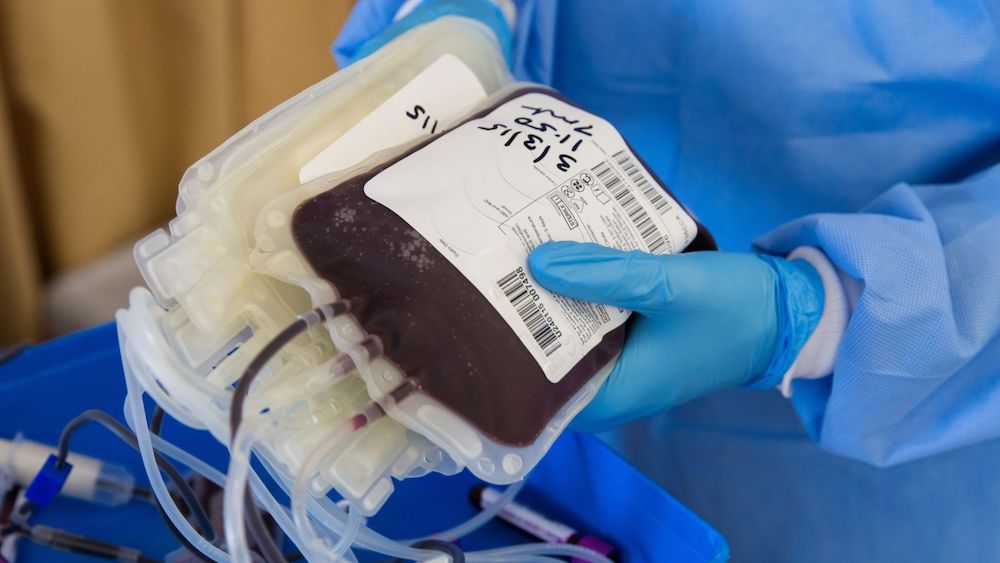
A new study with mice explored whether “young” blood could increase lifespan. The study, published in the journal Rejuvenation Research, analysed mice’s blood with heterochronic parabiosis, which is a research tool used to assess the effect of organs and of blood-borne factors on young and old animals. Parabiosis is a model of blood sharing between [...]
A new study found that regular stretching and balance and range of motion exercises are as good as aerobic exercises in slowing the process of mild cognitive decline. The study, presented at the 2022 Alzheimer’s Association International Conference in San Diego, examined 296 participants who were completely sedentary at the beginning of the experiment. All [...]