Research

Scientists have identified a new anti-ageing drug class that acts on gut bacteria processes, offering potential new ways to extend human lifespan. The drugs target the Target of Rapamycin (TOR) pathway — a system in humans and other species that regulates growth and ageing and plays a central role in age-related diseases such as cancer [...]
Half of UK adults fear dementia more than any other health condition, with women and over-65s the most likely to share this concern, new research shows. The figures come from the latest Dementia Attitudes Monitor, a biennial survey of more than 2,000 people that tracks how the public thinks and feels about dementia. It explores [...]
Weight loss jabs such as Mounjaro and Wegovy could make some cancer scans less effective, leading to unnecessary tests and possible delays in treatment, experts suggest. The drugs, collectively known as GLP-1s, have helped millions lose up to a fifth of their body weight but may alter how tissue appears on PET-CT scans used to [...]
Scientists have developed an innovative technique to observe Alzheimer’s disease as it progresses in the brain – a breakthrough that could accelerate the development of new treatments. The new method uses light to detect and measure the build-up of amyloid plaques – sticky protein clumps that are a key characteristic of Alzheimer’s – at different [...]
Microplastics from food packaging may damage the gut and raise the risk of bowel cancer and depression, new research suggests. Austrian researchers made the discovery after examining stool tissue from healthy volunteers and found that the tiny particles could alter microbial activity in the gut, with some of the changes reflecting patterns previously linked with [...]
Ageing alters the brain’s shape in measurable ways that could provide early warning signs of dementia, potentially years before symptoms appear, researchers say. Analysis of more than 2,600 brain scans from adults aged 30 to 97 revealed significant alterations in brain geometry linked to declines in memory, reasoning and other cognitive functions. The inferior and [...]
Scientists have discovered the genetic and lifestyle factors that helped Spanish woman Maria Branyas live to 117, making her the world’s oldest person until her death last year. Researchers found Ms Branyas’s “exceptional” genes and a “frugal” Mediterranean diet – rich in vegetables, fruits, legumes and olive oil – were the most likely reasons for [...]
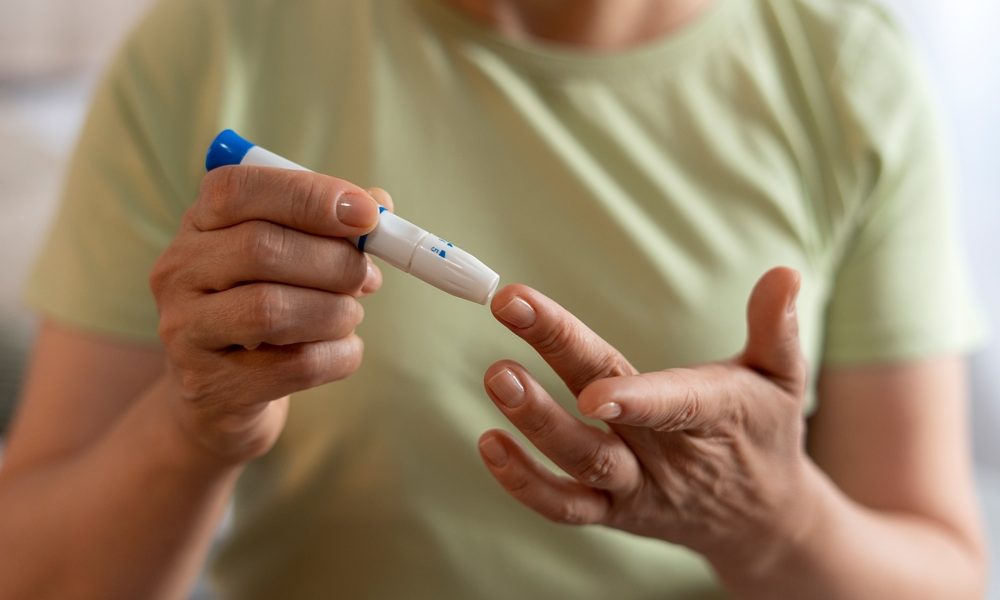
A genetic deficiency affecting thousands of black and South Asian men in the UK could delay diabetes diagnosis by making routine blood tests inaccurate, new research has reveals. Around one in seven black men and one in 63 South Asian men have G6PD deficiency, compared with fewer than one in 100,000 white men. Despite this, [...]
A new blood test can predict the risk of severe liver disease up to 10 years in advance, raising hopes for earlier detection of cirrhosis and liver cancer. The model, called CORE, combines five factors: age, sex and levels of three common liver enzymes (AST, ALT and GGT), which are routinely measured during health checks. [...]
Foamy urine may be an early warning sign for dementia, raising risk by up to almost 40 per cent, researchers have found. The symptom, which can make people go to the toilet more often, may indicate high levels of albumin – a protein that leaks into urine when kidney filters are damaged. Swedish researchers tracked [...]