News

As scientists gradually discover evidence that people who feel younger than their chronological age are typically healthier and more psychologically resilient, the saying 'you're only as old as you feel' rings increasingly true. Could the expression also hold true for older people recuperating from physical disabilities? Apparently so. Researchers from Bar-Ilan University have found that feeling young can [...]
The gelatin in the skin of Pacific whiting, an abundant fish on the Pacific Coast of North America, may help prevent skin wrinkling caused by ultraviolet radiation, a new Oregon State University study found. Pacific whiting is caught in large volumes in the United States but consumers have little familiarity with the mild, white meat [...]
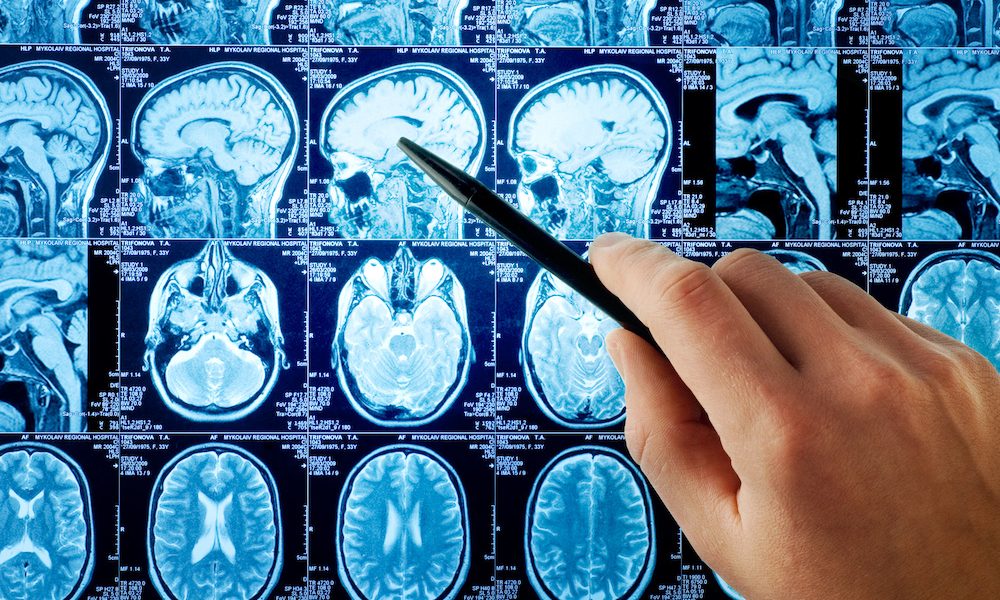
A single MRI scan of the brain could be enough to diagnose Alzheimer’s disease, according to new research by Imperial College London. The research uses machine learning technology to look at structural features within the brain, including in regions not previously associated with Alzheimer’s. The advantage of the technique is its simplicity and the fact [...]
In a 'super ageing society' in which young people are few and older people are many, caring for the older adult population adequately with limited resources is a difficult balancing act to perform. However, the hope is that by implementing new knowledge of how to keep ageing adults healthy, caring responsibilities may be lightened. Now [...]
Researchers have identified a molecule in the blood that is produced during exercise and can effectively reduce food intake and obesity in mice. This improves understanding of the physiological processes that underlie the interplay between exercise and hunger. The study by Baylor College of Medicine, Stanford School of Medicine and collaborating institutions was published in [...]
Dementia is one of the major causes of disability and dependency among older people worldwide, affecting thinking and behaviours as people age. But what if this degenerative disease could be stopped in its tracks? A world-first study from the University of South Australia could make this a reality as new genetic research shows a direct [...]
As we age, so do our eyes. Most commonly, this involves changes to vision and new glasses, but there are more severe forms of age-related eye problems. One of these is age-related macular degeneration, which affects the macula — the back part of the eye that gives people sharp vision and the ability to distinguish [...]
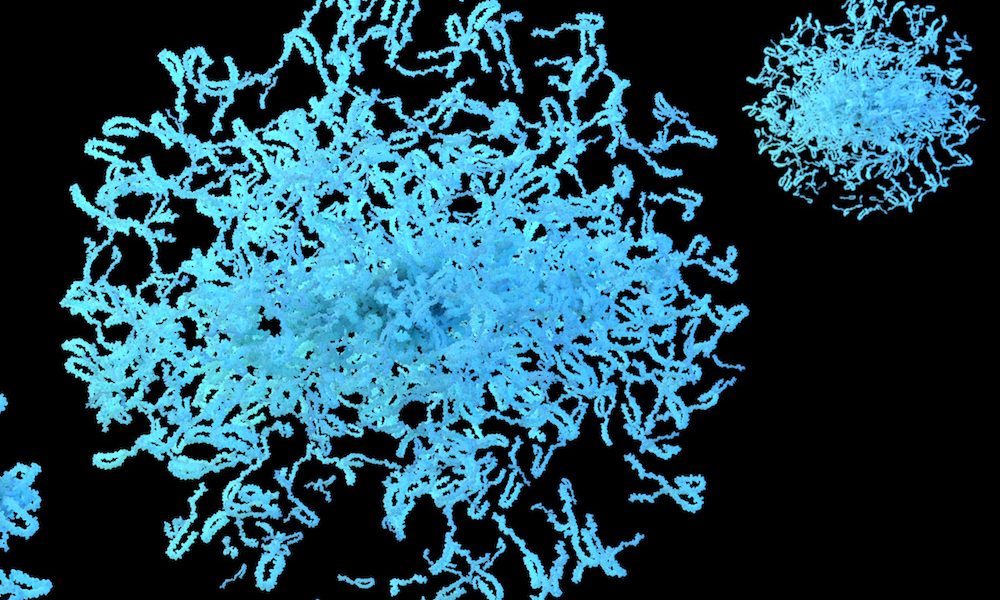
One of the hallmarks of Parkinson’s disease is the accumulation in the brain of a protein known as alpha-synuclein. For more than two decades, alpha-synuclein has been a focal point of attention for researchers, clinicians and drug makers interested in Parkinson’s disease. But alpha-synuclein’s function is not well understood. A new study led by investigators at [...]
Suffering from multiple conditions that affect the heart is more likely to lead to dementia than genetic risk, according to a new study. Led by University of Oxford and the University of Exeter, the study is among the largest ever to examine the link between several heart-related conditions and dementia, and one of the few [...]
Social isolation is directly linked with changes in the brain structures associated with memory, making it a clear risk factor for dementia, scientists have found. Setting out to investigate how social isolation and loneliness were related to later dementia, researchers from the UK and China used neuroimaging data from more than 30,000 participants in the [...]