News

As if menopause is not enough of an assault on a woman’s body, couple it with type two diabetes, sleep apnea and inflammation, and there is a destructive combination that might lead to dementia in later life. With a $1.4 million grant from the National Institutes of Health, Stacey Gorniak, associate professor of health and [...]
Research has shown that music might be a drug-free way to lower pain perception. This decreased sensitivity to pain – also known as hypoalgesia – can occur when pain stimuli are disrupted between their point of input and where they are recognised as pain by the conscious mind. In a new study, researchers in Canada [...]
A regimen of pre-surgical immunotherapy and chemotherapy followed by post-surgical immunotherapy significantly improved lung cancer survival rates, according to a new study. This was compared to the use of chemotherapy alone for patients with operable non-small cell lung cancer. The findings of the Phase III trial by researchers at The University of Texas MD Anderson [...]
From post-war baby boomers to the current Generation Alphas, stage-of-life labels beloved of cultural commentators, researchers and marketers, will soon be a thing of the past, predicts the head of the globally influential UK National Innovation Centre for Ageing. Researcher, teacher, writer and TEDx speaker, Professor Nic Palmarini, has told the latest Agetech World podcast [...]
A research team has identified a way to trigger programmed cell death which could open the door for improved cancer treatments. CD95 receptors, also known as Fas, are called death receptors. These protein receptors reside on cell membranes. When activated, they release a signal that causes the cells to self-destruct. Modulating Fas may allow chimeric [...]
The lives of people with low-vision or blindness could be transformed by new "acoustic vision" technology inspired by bats, researchers believe. Researchers have developed “acoustic touch” technology that they believe can help people ‘see’ using sound. The technology has the potential to transform the lives of those who are blind or have low vision. Around [...]
Adults with attention deficit hyperactivity disorder (ADHD) are nearly three times more likely to develop dementia than adults without ADHD, according to a new study. The research followed older adults in Israel over 17 years to examine if those with ADHD are at increased risk for dementia, including Alzheimer’s disease. Michal Schnaider Beeri, director of [...]
Researchers have developed a new 'organ-on-a-chip' model of the human synovium, a membrane-like tissue that lines the joints. The model, published in the journal Biomedical Materials, could help scientists to better understand the mechanisms of arthritis and to develop new treatments for the group of debilitating diseases. Across the globe, more than 350 million people [...]
The thymus, a small and relatively unknown organ, may play a bigger role in the immune system of adults than was previously believed, according to a recent study. Researchers from Linkoping University in Sweden have found that with age, the glandular tissue in the thymus is replaced by fat and the level of its degeneration [...]
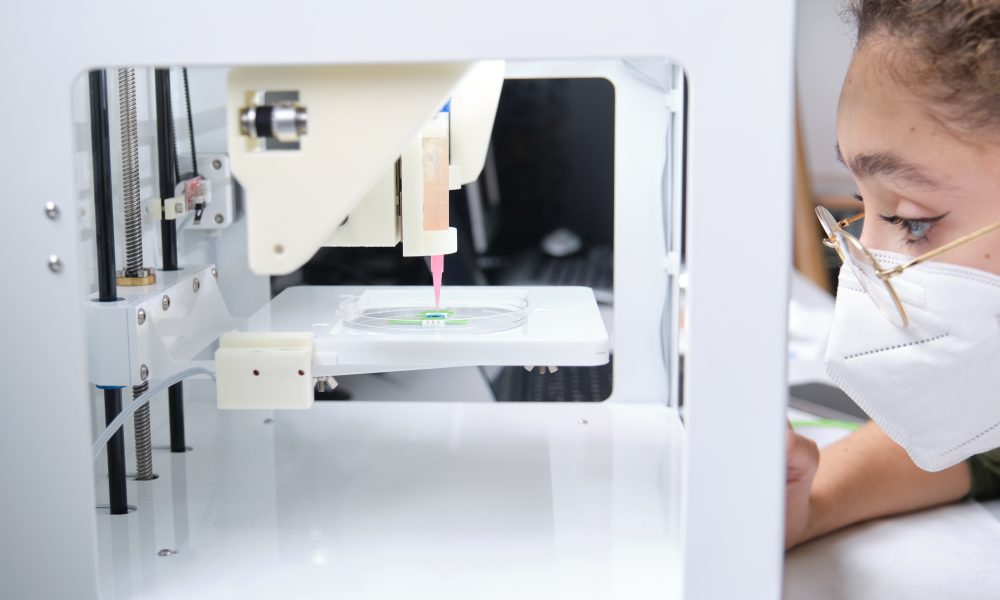
An international team of researchers has created a method for better 3D modelling of complex cancers. The Canadian University of Waterloo-based team has combined modern bioprinting techniques with synthetic structures or microfluidic chips. This method will help lab researchers more accurately understand heterogeneous tumours - those with more than one kind of cancer cell, often [...]