News

The UK’s over-85 population is set to double over the next 25 years, new figures from the Office for National Statistics (ONS) show. There were 1.75 million people aged 85 and over in mid-2024, accounting for 2.5 per cent of the population, a figure expected to rise to 3.6 million, or 4.9 per cent, by [...]
LONGEVITY science is entering the mainstream with the launch of the world’s first healthspan PhD and the creation of the world’s first ‘longevity board’ for AI-enabled research. Switzerland’s Geneva College of Longevity Science (GCLS) and its Romanian partner Ovidius University of Constanța say their four-year PhD doctoral programme represents a milestone in the evolution of [...]
Cancer rates are rising among adults aged 20 to 49, with obesity emerging as a significant factor behind the increase, a study suggests. Researchers found that 11 cancers are becoming more common in this age group: thyroid, multiple myeloma, liver, kidney, gallbladder, colorectal, pancreatic, endometrial, oral, breast and ovarian cancers. Of those 11 cancers, all [...]
A new obesity tool could help the NHS decide who gets weight-loss drugs by estimating who is most at risk of obesity-related disease. Recent data suggests about two-thirds of adults in England are overweight or obese, a situation that has caused concern among health experts. Researchers have now developed a tool that they say offers [...]
Blue Zones are to be recognised in a new global recording system based on two key metrics. The initial recognitions will apply to the best-known, existing blue zones - Nicoya in Costa Rica, Okinawa in Japan (pictured above), and six villages in Sardinia’s Ogliastra region. And, by recognising these existing Blue Zones the American Federation [...]
A combination of self care and stem cell repair could be the key to a healing and healthy lifespan, says Dr Halland Chen The field of anti-ageing medical interventions has become increasingly crowded in recent years, yet Miami-based longevity practitioner Dr Halland Chen believes there is one standout candidate - autologous mesenchymal stem cells (MSC). [...]
Higher UPF intake is linked to poorer attention and increased dementia risk in adults aged 40 to 70, with each 10 per cent rise tied to cognitive effects, new research suggests. It is well known that ultraprocessed foods, or UPFs, can harm overall health, but new research suggests this type of diet could also affect [...]
Anaemia in later life is linked to Alzheimer’s-related blood changes and a higher dementia risk, a study suggests. Anaemia is a condition marked by low haemoglobin, the protein in red blood cells that carries oxygen around the body. The findings suggest anaemia may not only be a risk factor for dementia, but could also interact [...]
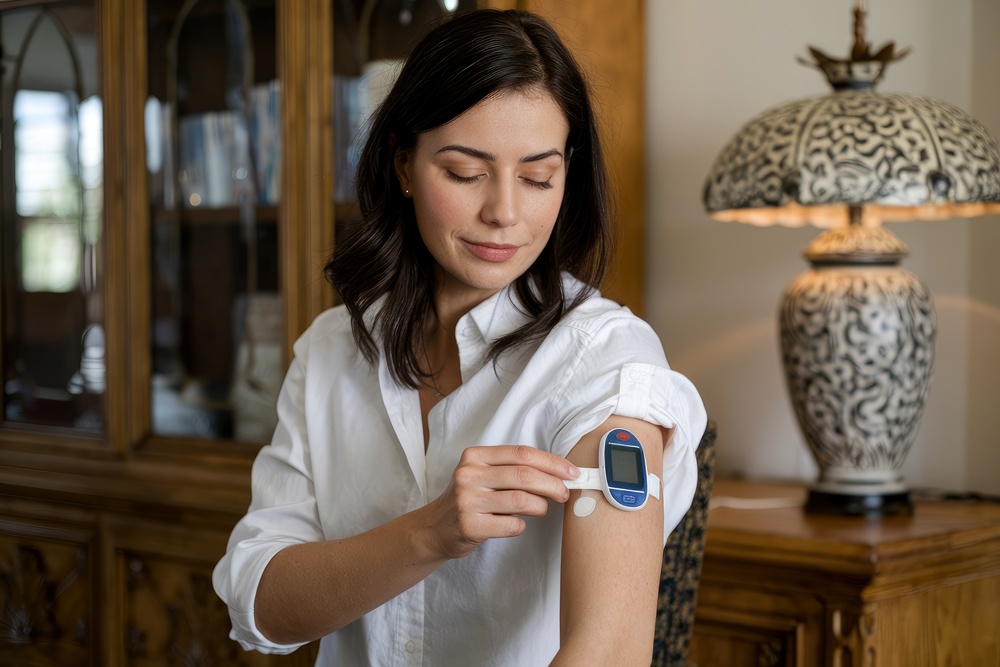
Glucose monitoring improves blood sugar control in adults with type 2 diabetes treated with basal insulin, a major clinical trial has found. Researchers carried out the FreeDM2 trial, which compared the effectiveness of real-time continuous glucose monitoring, known as CGM, with traditional finger-prick blood glucose monitoring in adults with type 2 diabetes. The findings of [...]
UK cancer diagnoses have hit a record high, with one person diagnosed every 80 seconds as a growing and ageing population drives cases higher. Cancer Research UK found more than 403,000 people are diagnosed with the disease each year. People are more likely to develop cancer as they get older. Michelle Mitchell, the charity’s chief [...]