Mobility & falls

New research has revealed that a patient’s muscle quality before total hip arthroplasty may predict their risk of such suboptimal recovery after surgery. Hip replacement surgery, or total hip arthroplasty (THA), can lessen pain and improve function in individuals with hip osteoarthritis, but some patients continue to experience long-term physical deficits - including muscle weakness, [...]
By Ganit Segal, MPE, MBA, EVP — Chief Scientific & Innovation Officer of AposHealth According to the World Health Organization (WHO), 365 million people live with knee osteoarthritis (OA), a condition that causes chronic pain and impairs mobility. While there are treatments that people can use to manage their pain, many have limitations that impede their [...]
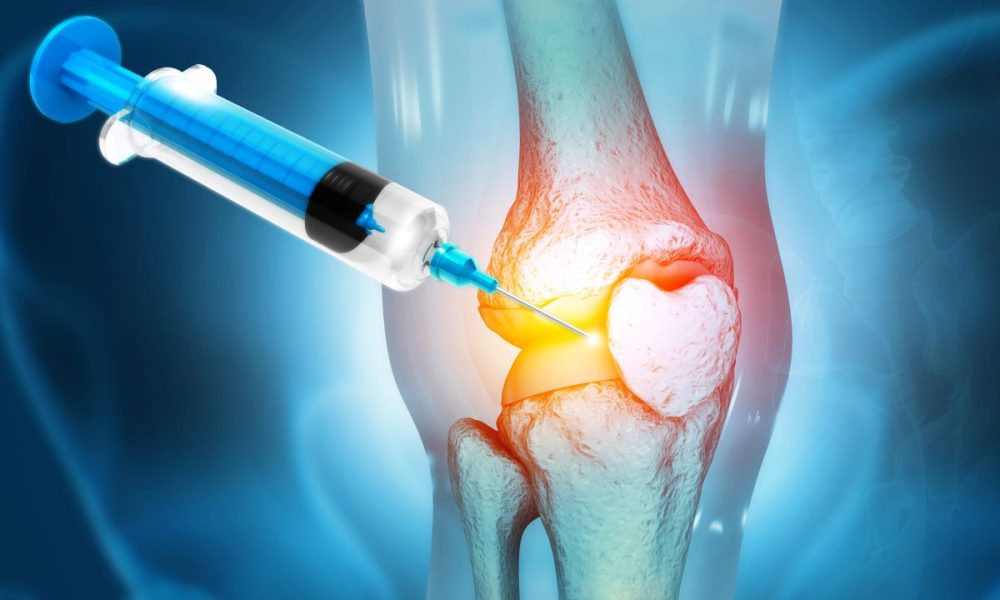
A new, injectable nanotechnology-based treatment for arthritis - hydrocelin (ALG-001) - has shown positive safety results in three preclinical studies. The studies found no signs of pyrogenicity, irritation or delayed sensitisation in the test groups, strengthening hydrocelin’s safety profile after two earlier preclinical studies announced in December. Allegro, which has developed the microparticle hydrogel, has [...]
In an unusual case, a 23-year-old man with severe bone loss and spinal fractures has been found to have systemic mastocytosis (SM) - a rare blood disorder that causes certain immune cells, called mast cells, to build up in different parts of the body. The case highlights how SM can go undiagnosed, and may be [...]
Waiting more than four hours in emergency care for treatment is linked to heightened risks of death and a longer hospital stay for hip fracture patients, a study suggests. The waiting time for more than one in three of these patients exceeded the four hour national standard, which now requires that 76 per cent of [...]
Researchers say it’s not just a normal part of ageing
A new seven-point strategy for better managing obesity in the care of older adults has been set out by the Gerontological Society of America (GSA). Their aim is to remove the barriers to quality care caused by obesity; with education, attention to language usage and focus on the care environment among the areas covered. The [...]
Osteoporosis is a skeletal condition that leads to the weakening of bones, making them porous, fragile, and prone to breakage. A massive 8.9 million fractures are caused by osteoporosis annually, with one fracture occurring every three seconds. The ageing population is the most vulnerable to primary osteoporosis, given, their frailty, and often, requires long-term therapy [...]
An Osaka Metropolitan University-led research team has been exploring how videoconferencing can improve the health of older adults living in the countryside. The COVID-19 pandemic made videoconferencing software commonplace in businesses and even schools, but this communication tool has the potential to offer benefits beyond the office or classroom. OMU Associate Professor Kazuki Uemura of [...]
Patients’ risk of falling in the next 12 months could be predicted from their NHS data using a newly developed calculator. eFalls is a falls prediction model which uses routinely available primary care electronic health record data, the first of its kind in the world. Developed and tested by researchers from the University of Leeds, [...]