Assistive tech

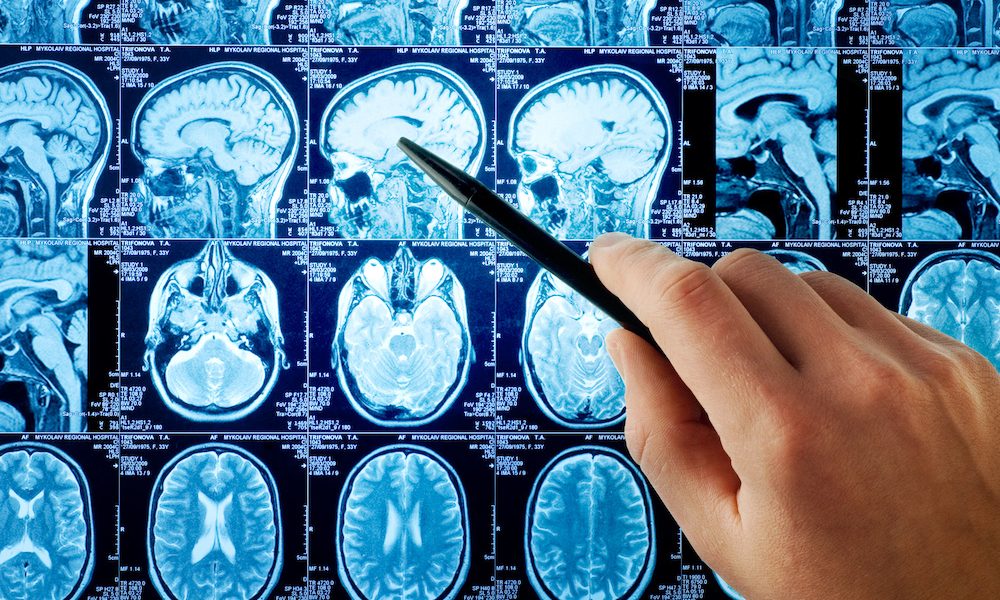
A single MRI scan of the brain could be enough to diagnose Alzheimer’s disease, according to new research by Imperial College London. The research uses machine learning technology to look at structural features within the brain, including in regions not previously associated with Alzheimer’s. The advantage of the technique is its simplicity and the fact [...]
In a 'super ageing society' in which young people are few and older people are many, caring for the older adult population adequately with limited resources is a difficult balancing act to perform. However, the hope is that by implementing new knowledge of how to keep ageing adults healthy, caring responsibilities may be lightened. Now [...]
Researchers have identified a molecule in the blood that is produced during exercise and can effectively reduce food intake and obesity in mice. This improves understanding of the physiological processes that underlie the interplay between exercise and hunger. The study by Baylor College of Medicine, Stanford School of Medicine and collaborating institutions was published in [...]
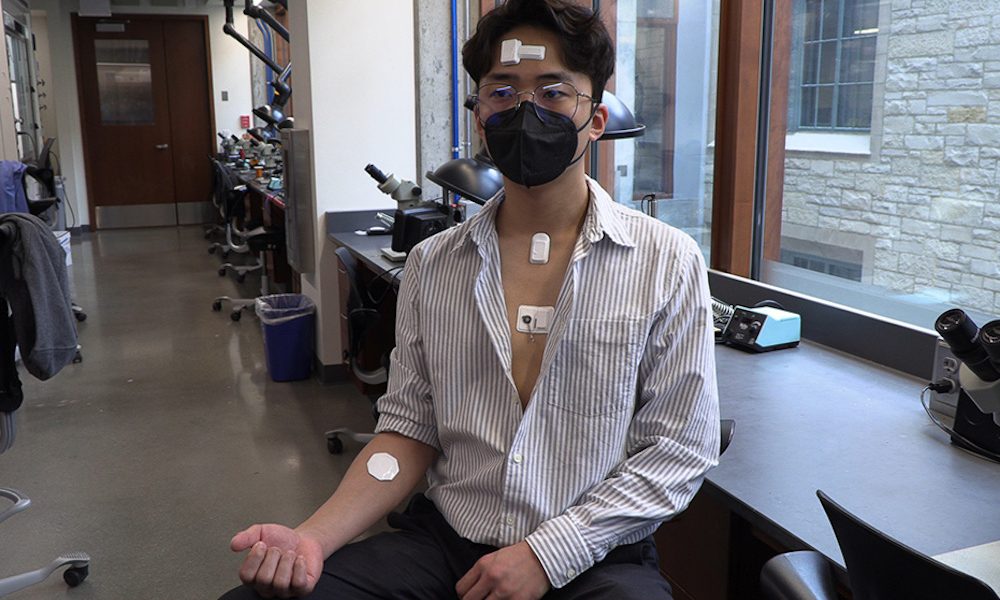
Last summer, Northwestern University researchers introduced the first-ever transient pacemaker - a fully implantable, wireless device that harmlessly dissolves in the body after it’s no longer needed. Now, they have unveiled a new, smart version that is integrated into a coordinated network of soft, flexible, wireless, wearable sensors and control units placed around the upper body. The study [...]