


Who cares for the carer? Supervised physical exercise improves the wellbeing of carers
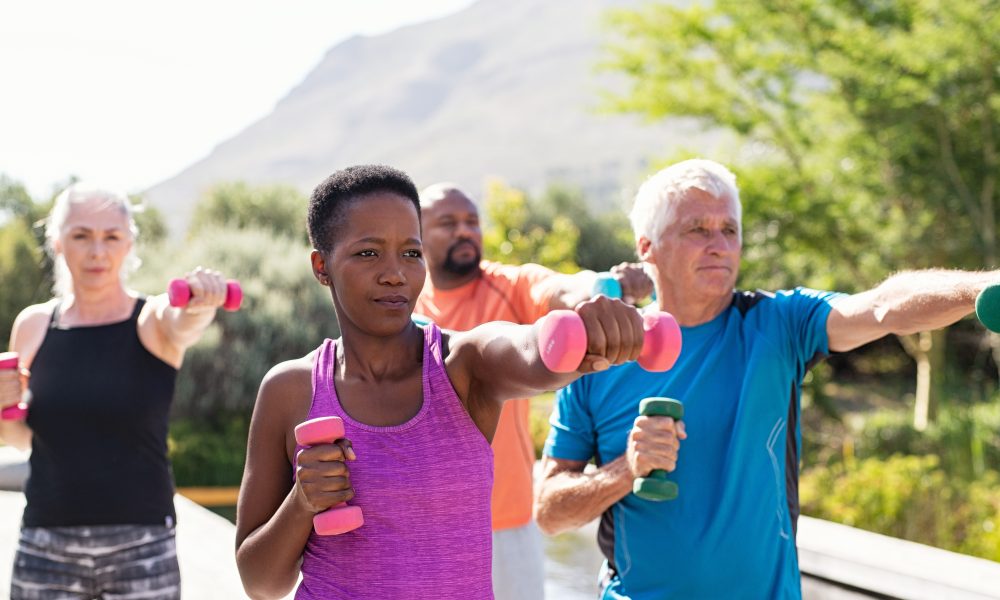
Members of the Ageing On research group of the University of the Basque Country (UPV/EHU) have investigated how to better look after carers of the elderly.
The general profile of carers of the elderly is mainly older and middle-aged women, working class, with a very high prevalence of lower back pain and consequently possible psycho-affective problems and a poorer quality of life.
The Ageing On group develops, among other things, physical exercise programmes to maintain the functional capacity of older people. However, the group realised that carers could also benefit from physical exercise.
“…we realised that there was another group, the carers of the elderly who could benefit from the advantages of individualised physical exercise, as the prevalence of lower back pain among carers is very high and directly and negatively affects their wellbeing,” said researcher Ana Rodriguez-Larrad.
“We studied more than 200 carers to see what problems they had, where we could make a difference, what could be effective and what could not.”
The organisation has now piloted a programme to relieve lower back pain among staff from six organisations, explained the researcher Ander Espin-Elorza: “For twelve weeks work was done as a team and at work involving simple strength exercises using body weight and resistance bands, and training in a progressive and personalised way with moderate intensity.”
At the end of the programme, the researchers observed that the lower back pain of the staff had decreased. “What is more, people who attended half of the planned sessions also experienced improvements in psycho-affective terms; the risk of depression declined, the use of hypnotic and anti-anxiety drugs decreased and the quality of life improved,” added Espín.
However, in the tests conducted 48 weeks after the end of the programme, it appears that the benefits regarding lower back pain had declined somewhat, which would indicate “the importance of ongoing physical exercise”.
In-company video call sessions
The research also validated a tool to assess, online, the physical fitness of the staff, and exercise programmes were run via videoconference, as the research was conducted in the context of the COVID-19 pandemic.
“Conducting virtual and remote sessions may be beneficial, for example, in terms of the economic advantage or being able to conduct them during a pandemic, etc.,” explained Espin.
In addition, “these types of programmes can also be extended to other types of carers, such as informal carers, and can also tackle other painful areas such as the shoulder, wrists, etc.”, said Rodriguez.
Supervised physical exercise programmes have a positive effect on the reduction of sick days per year, although this still needs to be investigated further.
“In addition to the benefits it can bring to workers’ well-being, the implementation of physical exercise enables better care to be given,” Rodriguez explained.
So some companies have already contacted the Ageing On research group to implement the programme: “It provides a lot of freedom and the results are good,” the team said.
Researchers from the Ageing On group are continuing their research.


