Genetic condition puts Black and South Asian men at greater diabetes risk
A genetic deficiency affecting thousands of black and South Asian men in the UK could delay diabetes diagnosis by making routine blood tests inaccurate, new research has reveals.
Around one in seven black men and one in 63 South Asian men have G6PD deficiency, compared with fewer than one in 100,000 white men.
Despite this, fewer than one in 50 affected men are clinically recognised.
The condition affects red blood cells, making standard diabetes checks appear artificially low and underestimating real blood sugar levels.
Men with G6PD deficiency have a 37 per cent higher risk of serious complications linked to type 2 diabetes, including eye, kidney and nerve damage.
Professor Ines Barroso, of the University of Exeter, said: “Our findings highlight the urgent need for changes to testing practices to tackle health inequalities.
“Without the reliable tools they need, healthcare professionals risk missing or misdiagnosing type 2 diabetes.”
G6PD is a protein found in red blood cells, which carry oxygen around the body.
These cells typically live for about three months before being replaced, and G6PD helps protect them against substances that would otherwise make them break down too early.
In people with the deficiency, the cells lack enough G6PD.
When exposed to certain chemicals in foods or medicines, the red blood cells may die off too soon, leading to anaemia and other health problems.
While the deficiency does not cause diabetes, it can affect test results.
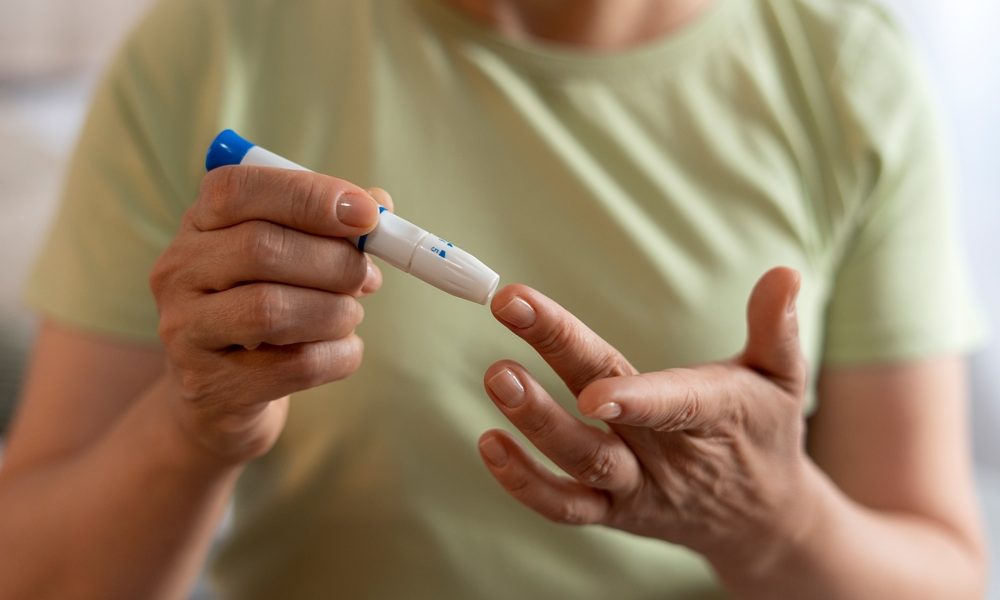
Diabetes is usually diagnosed and monitored with an HbA1c test, which measures average blood sugar levels over the past two to three months by checking how much glucose is attached to haemoglobin in red blood cells.
Researchers said G6PD deficiency can make HbA1c readings appear lower than they should, underestimating true blood sugar levels.
Experts called the findings “deeply concerning” and warned that standard diabetes tests may not be accurate for those with the condition.
Dr Esther Mukuka, director of research inclusion at the NIHR, which supported the study, added: “Addressing the impact of G6PD deficiency on diabetes testing is an important step towards reducing inequalities and making sure that everyone, regardless of background, benefits equally from medical advances.”