Simple test can predict risk of severe liver disease
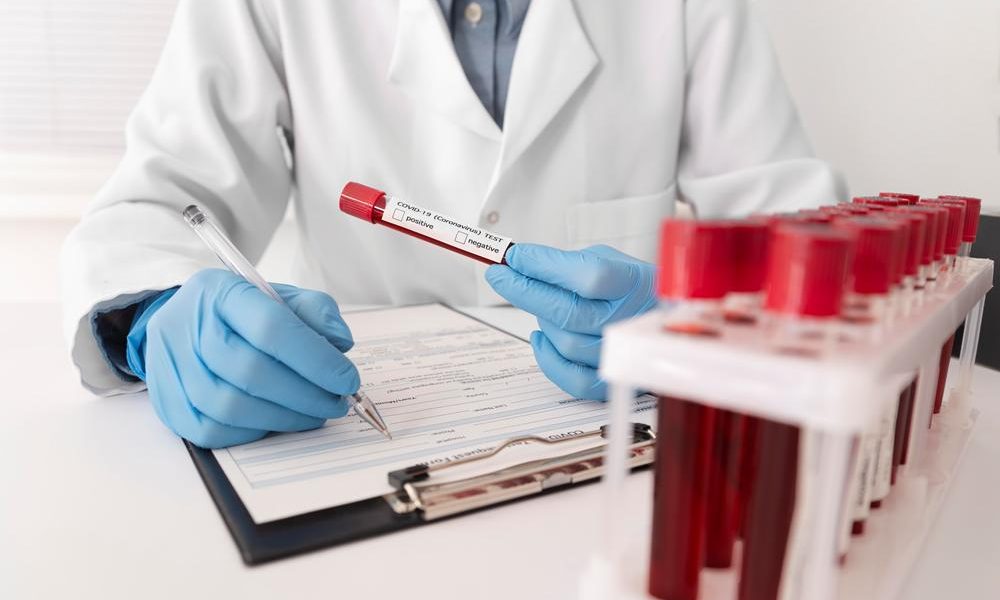
A new blood test can predict the risk of severe liver disease up to 10 years in advance, raising hopes for earlier detection of cirrhosis and liver cancer.
The model, called CORE, combines five factors: age, sex and levels of three common liver enzymes (AST, ALT and GGT), which are routinely measured during health checks.
Researchers in Sweden and Finland evaluated CORE using data from more than 480,000 people in Stockholm who had health checks between 1985 and 1996. Participants were then followed for up to 30 years.
During that period, 1.5 per cent developed severe liver disease, including cirrhosis (scarring of the liver), liver cancer or the need for a transplant.
“These are diseases that are growing increasingly common and that have a poor prognosis if detected late,” said Rickard Strandberg, affiliated researcher at Karolinska Institutet’s department of medicine in Huddinge, who developed the test with colleague Hannes Hagström.
“Our method can predict the risk of severe liver disease within 10 years and is based on three simple routine blood tests.”
The CORE model proved highly accurate, distinguishing between people who did and did not later develop disease in 88 per cent of cases. That result was an improvement on the currently recommended FIB-4 method.
A web-based calculator is already available for doctors and nurses at www.core-model.com.
“This is an important step towards being able to offer early screening for liver disease in primary care,” said principal investigator Hannes Hagström, adjunct professor at Karolinska Institutet’s department of medicine in Huddinge and senior consultant at Karolinska University Hospital.
“Drug treatment is now available, soon hopefully also in Sweden, for treating people at a high risk of developing liver diseases such as cirrhosis or liver cancer.”
Professor Hagström added: “Primary care hasn’t had the tools to detect the risk of severe liver disease in time.
“FIB-4 is not suited for the general population and is less effective at predicting the future risk of severe liver disease.”
The model was also tested on two other population groups in Finland and the UK, where it again showed high accuracy in predicting risk.
The researchers said further testing is needed in groups at especially high risk, such as people with type 2 diabetes or obesity. They also noted the importance of linking the model into medical record systems to support its use in clinics.
The study was a collaboration between Karolinska Institutet, Helsinki University Hospital, Helsinki University and the Finnish Institute for Health and Welfare. It was financed by the Swedish Research Council, Region Stockholm (CIMED) and the Swedish Cancer Society.
Hannes Hagström is engaged in several collaborations with the pharmaceutical industry regarding liver disease prognosis, but none that is relevant to this study.