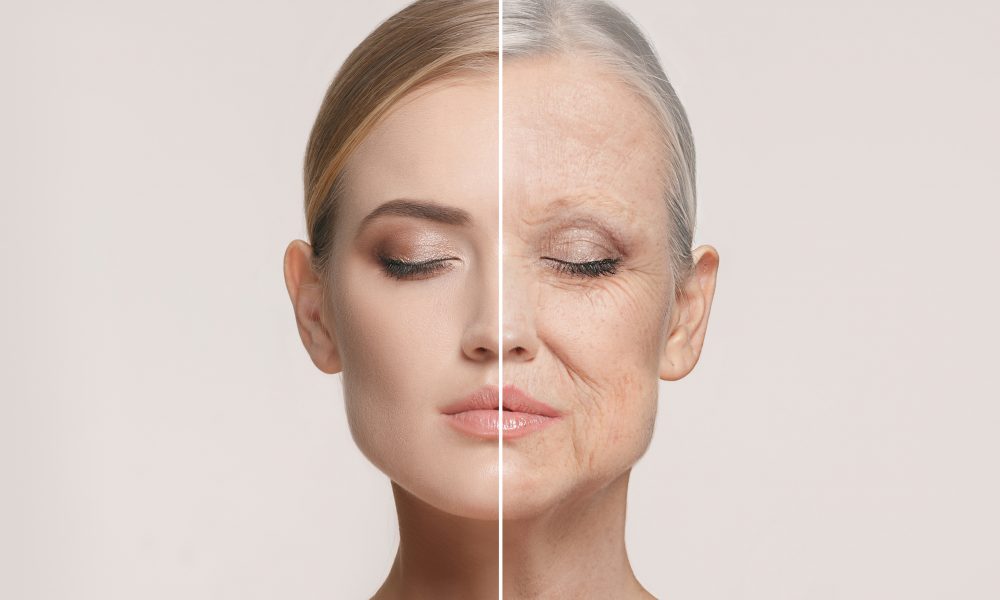
A team of scientists has uncovered the intricate mechanisms by which immunoglobulins influence the aging process, a finding that might reshape our understanding of ageing.
The research not only charts a high-precision map of ageing across various organs but also reveals the dual-edged sword of immunoglobulins in systemic ageing.
The quest for systemic biomarkers and key drivers of ageing has been a long-standing puzzle in the field of gerontology.
By meticulously analysing millions of spatial spots across nine organs in male mice, the team created high-precision spatial transcriptomic maps. These maps detailed the spatial distribution of over 70 cell types, offering a vivid picture of ageing’s spatial characteristics.
The transcriptomic landscape, dubbed Gerontological Geography (GG), exposes the common threads of tissue structural disorder and loss of cellular identity as hallmarks of ageing.
This study, a collaborative effort between LIU Guanghui’s team from the Institute of Zoology (IOZ) of Chinese Academy of Sciences (CAS), GU Ying’s team from BGI Research, ZHANG Weiqi’s team from the Beijing Institute of Genomics of CAS, and QU Jing’s team also from IOZ, and was published in Cell, has provided compelling answers.
“This landscape is a significant step forward, pinpointing the epicentres of ageing within multiple organs and uncovering the accumulation of immunoglobulins as a key ageing characteristic and driver,” said Professor LIU, one of the corresponding authors of the study.
Using the novel method of organizational structure entropy (OSE) analysis, the researchers discovered that increased spatial structural disorder and loss of cellular identity are universal signs of systemic ageing, suggesting that spatial structural damage may be a primary cause of organ functional decline during ageing.
The team also identified senescence-sensitive spots (SSS), which are structural regions in different tissues more susceptible to ageing’s effects. They found that areas closer to SSS exhibit higher tissue structural entropy and greater loss of cellular identity, indicating that SSS could be the nucleus of organ ageing.
Notably, in immune organs, plasma cells, which are responsible for antibody synthesis, and cells with specific structures and functions, are the main components of the SSS microenvironment. The expression levels of immunoglobulin-related genes in these cells increase around SSS.
The study further discovered that immunoglobulin G (IgG) accumulates in multiple tissues and organs during ageing in humans and mice, suggesting that IgG levels could serve as a new biomarker for ageing. Moreover, IgG was found to directly induce ageing in human and mouse macrophages and microglia, releasing inflammatory factors. Intriguingly, injecting IgG into young mice induced ageing in multiple tissues and organs, demonstrating its potent ageing effects.
In a promising development, the team developed an intervention strategy using antisense oligonucleotides (ASO) to reduce IgG content in mouse tissues, thereby delaying the ageing of multiple organs.
This study is the first to map the spatial transcriptome of pan-organ ageing in mammals, revealing tissue structural disorder and loss of cellular identity as key ageing hallmarks and precisely locating the core regions and microenvironmental characteristics of ageing sensitivity.
The Immunoglobulin-associated Senescence Phenotype (IASP) proposed by the study expands the frontiers of ageing science and opens new avenues for delaying ageing and preventing related diseases.