


News
Smart wristband developed to identify and manage atrial fibrillation

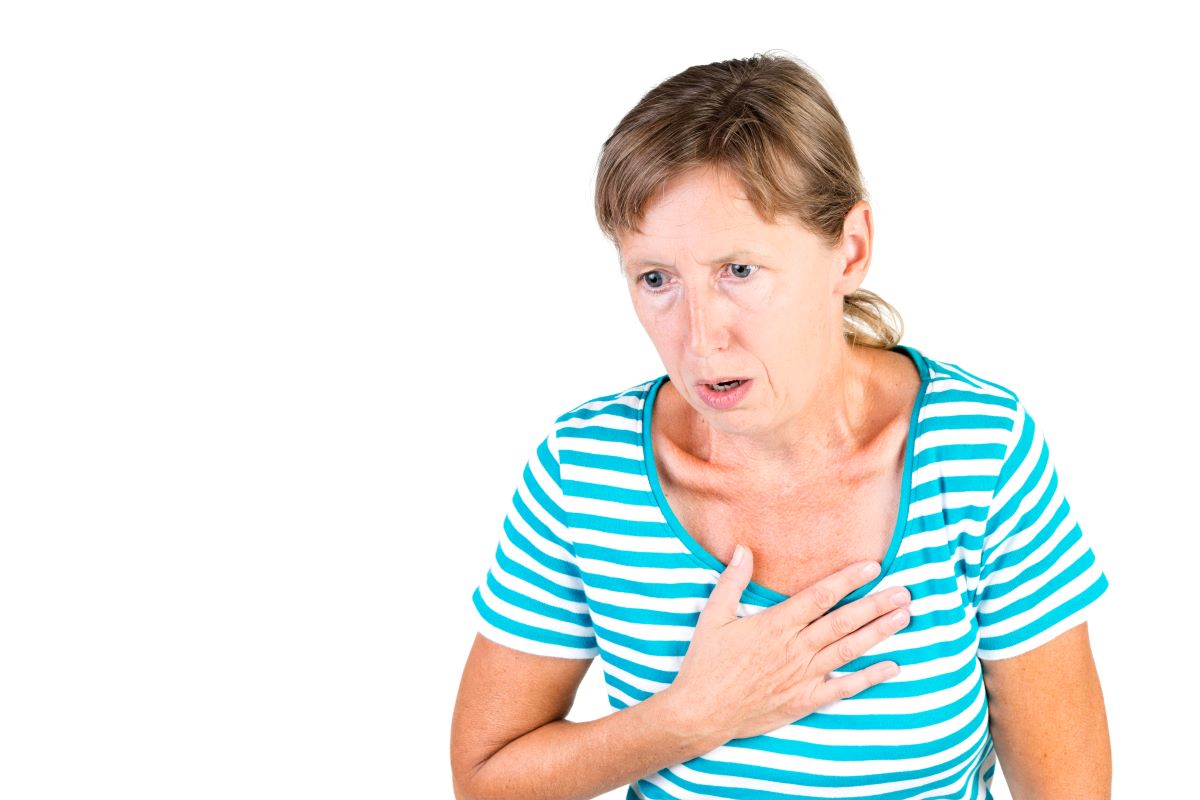
It’s one of the most common conditions affecting those over 65 and left untreated can lead to stroke, blood clots in the veins and, in the most extreme cases, heart failure.
Atrial fibrillation currently affects more than 40 million people worldwide and the incidence and prevalence of the medical condition have increased three-fold in the past 50 years as populations age and survival rates for chronic diseases increase.
Now thought of as a global epidemic, 16 million people in the United States alone are projected to have been diagnosed with the ailment by 2050. In Europe, the figure among the over 55s is expected to reach 14 million by 2060.
It is estimated that by 2050, AF will be diagnosed in at least 72 million individuals in Asia.
One of the most common symptoms of AF is a pounding, fluttering, or quivering heartbeat, more commonly known as heart palpitations. Other signs include dizziness, fatigue, a fast heart rate of more than 100 beats per minute, breathlessness, and chest pain – many of the classic stress or anxiety signs that characterise a panic attack.
It’s one of the reasons that millions of people are walking around unaware that they are suffering from atrial fibrillation. How many times have you heard someone attribute their racing heartbeat to a caffeine-induced surge brought about by having drunk one too many coffees?
Many more are asymptomatic, meaning they are producing and showing no symptoms at all.
Often the condition will only be picked up when a patient undergoes a health check for an unrelated matter.
However, early detection and treatment of AF are paramount if later complications are to be avoided.
Without treatment, people with AF are up to five times more likely to suffer strokes, leading to the risk of severe disability and even premature death.
But new patient-safe monitoring technology to check and manage individual factors provoking atrial fibrillation, has been invented by Lithuanian researchers that could hold the key to earlier diagnosis and outcomes for the potentially serious heart condition.

A smart wrist-worn bracelet has been developed by Lithuanian scientists to identify atrial fibrillation. Credit: KTU
It involves patients wearing a so-called smart bracelet – already an accepted accessory for many – that uses an algorithm that can detect atrial fibrillation.
Traditional methods of diagnosing AF involve patients having to wear intrusive and uncomfortable sensors. But this new technology incorporates complementary sensors and a signal processing algorithm, with patients also being asked to input potential arrhythmia triggers on a mobile app.
The device is the result of a successful collaboration between the Kaunas University of Technology Biomedical Engineering Institute (KTU BMEI) and Vilnius University’s Santaros Clinics.
Researchers at KTU BMEI have been working in the field of atrial fibrillation monitoring technology development for more than a decade. It was several years ago that they developed the bracelet – the patent application for the device was submitted to the Lithuanian State Patent Bureau at the end of 2018 – which is aimed at older people, who can be especially self-conscious when using technologies and smart devices.
Professor Vaidotas Marozas, director of KTU BMEI, told Agetech World: “We are focusing on developing technologies which are needed for the public and contemporary medicine. For example, due to the prevalence of this condition (AF), every person older than 65 should be checked for atrial fibrillation.
“Non-invasive, compact wearable devices are an attractive solution for monitoring the health status of such high-risk groups.”
The disease usually starts with self-terminating so-called ‘paroxysmal episodes’ which, if recognised in time, can be treated by non-medication means.
These episodes may be different for each patient, however. For some, they may last for a short time and recur infrequently. For others, the episodes can be longer and more frequent.
But untreated AF will eventually develop into a persistent condition, which is more complicated to treat.
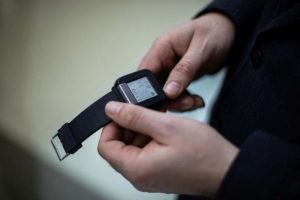
The smart wristband developed by Lithuanian scientists. Credit: KTU
The KTU-developed smart bracelet – which Lithuanian company, Teltonika, has stepped in to produce – has been used together with other devices in the TriggersAF project supported by the European Regional Development Fund.
The aim of the project coordinated by the Kaunas University of Technology in partnership with Vilnius University, is to develop and test methods that allow patients to identify their individual arrhythmia triggers via a wrist-wearing device.
It is already known that for some patients, atrial fibrillation episodes can be provoked by certain modifiable factors, such as alcohol, increased physical activity, stress, and sleep disturbance.
Identifying and avoiding individual factors would help determine non-pharmaceutical intervention methods to arrhythmia management.
As the project addresses a clinical problem, it has been important to have on board experienced clinicians who deal with AF daily. One of them is Justinas Bacevičius, a cardiologist at VU Hospital Santaros Clinics.
He said: “Although we see a wide variety of atrial fibrillation patients in our hospital, two types can be distinguished. The first group includes older, overweight, diabetic, hypertensive patients or those having sleep apnoea.
“The second group is the complete opposite – often they are young, professional sportspersons, businesspeople or performers who are experiencing a lot of stress.”
Mr Bacevičius said the data from the patients suggests a link between the onset of arrhythmia and sleep disorders.
He added that interestingly, even in patients who are not diagnosed with sleep apnoea, a correlation between snoring during sleep and the onset of atrial fibrillation in the morning, or later in the day, had been identified.
But with no objective methods to identify individual factors influencing the arrythmia in patients, KTU BMEI researchers in collaboration with cardiologists from VU Hospital Santara Clinics and their long-term partner Leif Sörnmo from Lund University in Sweden, have proposed one.
It assumes that arrythmia parameters, such as the relative duration of an episode, increase after an arrythmia-provoking factor.
Vilma Pluščiauskaitė, a PhD student at KTU and a junior researcher on the project, explained: “The essence of our proposed approach is that the patient uses a wearable bio signal-recording device for a set monitoring period, e.g. two weeks, and enters potential triggers for atrial fibrillation into a mobile app.
“For the next two weeks, the patient avoids the identified potential triggers, and the relation is assessed by an equation proposed by KTU BMEI researcher Dr Andrius Petrėnas.
“If a correlation between the influencing factor and the occurrence of arrhythmia is detected, the patient is advised to avoid the specific identified factor.”
The project’s database is the first of its kind in the world. It includes the recorded patients’ physiological signals, such as electrocardiogram and photoplethysmogram (a simple and low-cost technique that sends light pulses through the skin into the blood vessels to detect blood volume changes), and potential arrythmia provoking factors entered in a person’s mobile app.
The database collected by the researchers has allowed them to test the developed method and identify arrythmia-provoking factors in individual patients.

Professor Vaidotas Marozas. Credit: KTU
Project leader, Professor Marozas, is understandably delighted with its success, which will allow further development of the smart bracelet technology.
He said: “The database generated by the project is a unique result. We have managed to interest an international consortium funded by the European Metrology Association in this data. This consortium has invited us to join their new project as a partner and we will continue our work.”
The lack of technology currently available to individually identify arrythmia-provoking factors is probably due to the fact that monitoring has traditionally been inconvenient. Patients usually have to have an electrocardiogram (ECG), which is an electrical recording of their heart rhythm.
If that doesn’t identify a problem, then further monitoring will be needed, involving having to wear a portable ECG recording device for 24 hours or more.
Patients may also be required to fill in numerous questionnaires to pinpoint trigger factors, which can be subject to recall bias, where they either forget about a potential arrhythmia provoking stimulus or are reluctant to acknowledge the presence of certain influences, such as alcohol intake.
Mr Pluščiauskaitė said: “Certain influencing factors for arrythmia, such as increased exercise, stress, or sleep disturbances, can be identified from physiological signals by the dedicated algorithms. However, other influencing factors, such as alcohol consumption, are difficult to identify in the signals, so it is best if the patient has the opportunity to indicate when he or she consumed alcohol.”
He added that it is hoped that in the future, identifying these arrythmia triggers will only require a smart bracelet incorporating complementary sensors and signal processing algorithm.







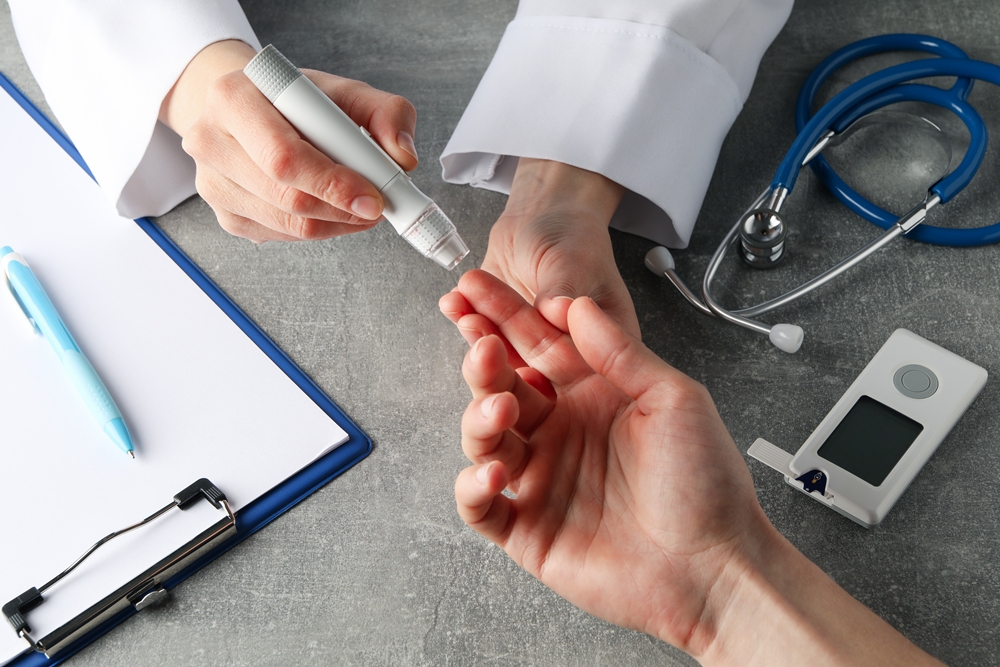
The longer someone has type 2 diabetes, the higher their cardiovascular disease risk, and changes in red blood cells may help explain it, new research suggests.
The study found red blood cells from patients with long-term diabetes harmed blood vessel function, while no such effect was seen in those newly diagnosed.
After seven years of follow-up, the blood cells of people initially diagnosed had developed the same harmful properties.
Zhichao Zhou, associate professor at Karolinska Institutet and lead author, said: “What really stands out in our study is that it is not only the presence of type 2 diabetes that matters, but how long you have had the disease.
“It is only after several years that red blood cells develop a harmful effect on blood vessels.”
Researchers at Karolinska Institutet in Sweden studied animals and patients with type 2 diabetes.
They identified microRNA-210, a small RNA that helps regulate gene activity, as a possible early biomarker of cardiovascular risk.
When its levels were restored in red blood cells, blood vessel function improved.
Eftychia Kontidou, doctoral student and first author, said: “If we can identify which patients are at greatest risk before vascular damage has already occurred, we can also become better at preventing complications.”
The researchers are now investigating whether the biomarker can be used in larger population studies.

Routine vaccines for adults may reduce dementia risk, a review of more than 100 million people suggests.
The research found both flu and shingles vaccines were associated with a lower risk in adults aged 50 and over.
The shingles (herpes zoster) jab was linked to a 24 per cent lower risk of any dementia and a 47 per cent lower risk of Alzheimer’s disease.
A joint Italian-Canadian neuroscience review points to a pattern that public health experts say is hard to ignore, suggesting vaccines against common infections may offer long-term protection against the UK’s leading cause of death.
With an ageing population, about two million people are projected to be living with dementia in the UK by 2050.
Prof Sir Andrew Pollard is director of the Oxford Vaccine Group and former chair of the Joint Committee on Vaccination and Immunisation.
He said: “Vaccines for pneumonia, shingles, and influenza in older adults have been shown to reduce the risk of serious infections and hospitalisation caused by these diseases.
“But studies in the past few years have raised the intriguing possibility that vaccination could also provide a welcome reduction in the risk of dementia, a disease which places a huge burden on society and the NHS.”
A separate large-scale randomised trial in Wales compared shingles vaccines Zostavax and Shingrix to address the “healthy user effect”, where people who get vaccinated tend to be more health-conscious. As both groups were vaccinated, this helped control for that bias.
The results showed those receiving the newer Shingrix vaccine had a substantially lower risk of developing dementia over subsequent years.
Dr Maxime Taquet, clinical lecturer in psychiatry at Oxford, who led that study, said: “The size and nature of this study makes these findings convincing, and should motivate further research.”


Finding could help identify diabetes patients at risk of vascular damage

Routine vaccines may protect against dementia, research finds

Food preservatives linked to increased diabetes and cancer risk, study finds

Weaker body clock linked to increased dementia risk

Agetech World’s latest innovation & investment round-up

Dark chocolate may slow down ageing

Study links body image issues in adolescence to adult depression

Commonly-prescribed drugs liked to 50% increased risk of dementia

Vaccine raises hope for million living with knee osteoarthritis

Study reveals habits that could lower brain age by eight years
 News4 weeks ago
Dark chocolate may slow down ageing
- Insights4 weeks ago
Study links body image issues in adolescence to adult depression
- Wellness4 weeks ago
Commonly-prescribed drugs liked to 50% increased risk of dementia
- News4 weeks ago
Vaccine raises hope for million living with knee osteoarthritis
- Insights3 weeks ago
Study reveals habits that could lower brain age by eight years
- News4 weeks ago
Exercise or risk ’10 years of ageing,’ weight loss jab users warned
- News3 weeks ago
Concurrent frailty and depression likely boost dementia risk in older people, study finds
- News3 weeks ago
Loss of confidence in midlife linked to dementia


