Wellness
US life expectancy drops at its lowest in 100 years – can tech help?

A new report found that the average life expectancy of Americans fell at its lowest in nearly 100 years. How can technology help?
In 2021, the average American could expect to live until the age of 76 which represents a loss of almost three years since 2019, when Americans could expect to live 79 years on average.
Native Americans and Alaska Natives were found to be the minorities with the lowest life expectancy in the US. Longstanding health problems – rooted in poverty, discrimination and poor access to healthcare – left these minorities particularly vulnerable to Covid-19.
Dr Ann Bullock, director of diabetes treatment at the federal Indian Health Service agency, said: “There is no doubt Covid was a contributor to the increase in mortality during the last couple of years, but it didn’t start these problems – it made everything that much worse.”
How can technology help?
According to a 2017 report from the CDC, the top three causes of death in the US were heart disease, cancer and accidental death.
Technology can now help individuals prevent pathologies like heart diseases and strokes. Diagnostic technology has come a long way for being affordable and it can now provide users with tools for a longer life.
Genomic sequencing

Illustration from research for genomic medicine or gene therapy.
Genomic sequencing is a laboratory method that is used to determine the entire genetic makeup of a specific organism or cell type and it can be used to find changes in areas of the genome.
These changes can help scientists understand how diseases like cancer form. The results of genomic sequencing can also be used to diagnose and treat disease.
Genomic sequencing can also be used to design customised diets, exercise regimes and general wellness plans.
Wearable trackers
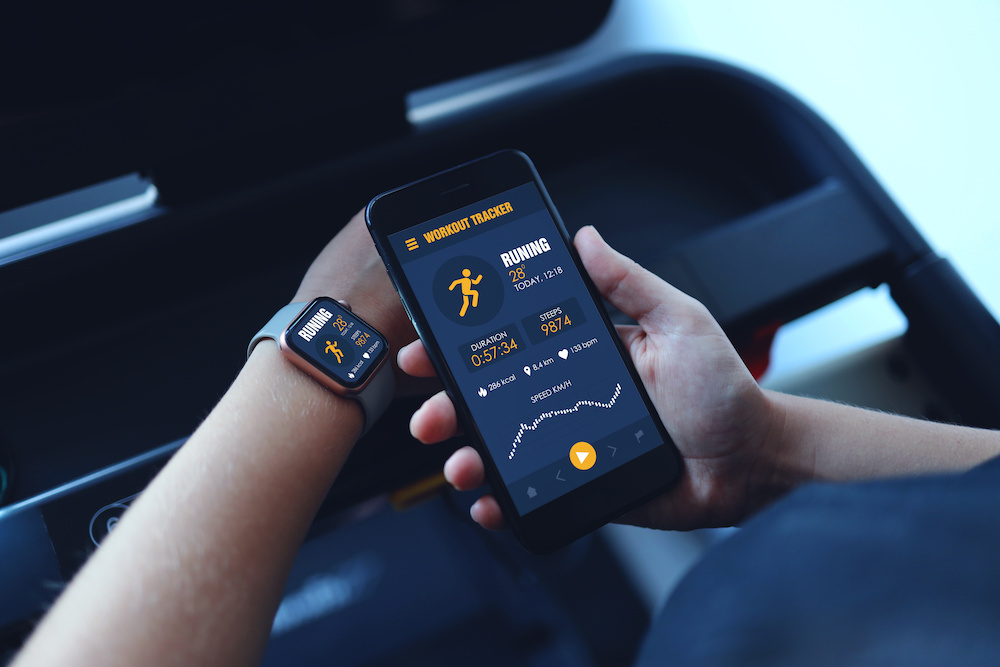
Wearable trackers can optimise daily health outcomes and they can help keep health data under control. These devices can also be used as health trackers that can help prevent conditions such as heart attacks or heart failures.
These devices come in different shapes and sizes but the most popular are sleep trackers, heart rate monitors and fitness trackers.
News
Shingles vaccine may slow biological ageing in older adults
News
Thousands of men in England to be offered life-extending prostate cancer drug
Wellness
Older male athletes may face increased risk of serious heart problems during exercise

Veteran male athletes may face higher heart risk during exercise if they have existing heart scarring, new research suggests.
The study found that male endurance athletes aged over 50 were more likely to experience abnormal heart rhythms during training if scarring was present.
Nine in 10 sudden cardiac deaths during sport occur in older male athletes.
Researchers at the University of Leeds tracked 106 healthy male endurance athletes aged over 50 who had been doing more than 10 hours of running or cycling weekly for at least 15 years.
They matched training data from wearables with implantable loop recorders to align heart rhythms with activity.
Over two years, about one in four participants experienced ventricular tachycardia, a fast, abnormal rhythm arising from the heart’s lower chambers, during or just after exercising.
Three quarters of those who had these episodes had heart scarring. There were three sustained episodes during exercise, all in athletes with scarring.
Scarring may be caused by heart attacks, disease or cumulative exertion from years of high-intensity exercise.
Dr Wasim Javed, research fellow at the University of Leeds and lead author, said: “Our study shows that exercise was only associated with a risk of developing abnormal heart rhythms in those who were already high risk due to heart scarring.
“Athletes who developed abnormal heart rhythms were not exercising more or harder than athletes without abnormal heart rhythms.
“This suggests that exercise itself is not the cause, but could act as a trigger for dangerous heart rhythms in those athletes already with an underlying heart issue.”
“Exercise is safe and has immense benefits – but athletes in this group should have regular health checks to make sure they stay healthy.”
The researchers said their findings support the use of wearable technology for athletes who want to monitor their heart rate for unusual activity.
News2 weeks agoFDA clears automated brain fluid device
News2 weeks agoAgetech World’s latest innovation & investment round-up
News2 weeks agoInsilico signs US$888m oncology deal with Servier
News2 weeks agoFood preservatives linked to increased diabetes and cancer risk, study finds
Wellness2 weeks agoUK bans junk food ads before 9pm to protect child health
News1 week agoCaptioning glasses win AARP pitch at CES
Markets & Industry2 weeks agoGlobal longevity initiative launches North American chapter
Technology6 days agoInterview: GlycanAge launch first hospital-based tests


